Trish St.Hill

The Official Blog of Trish St.Hill

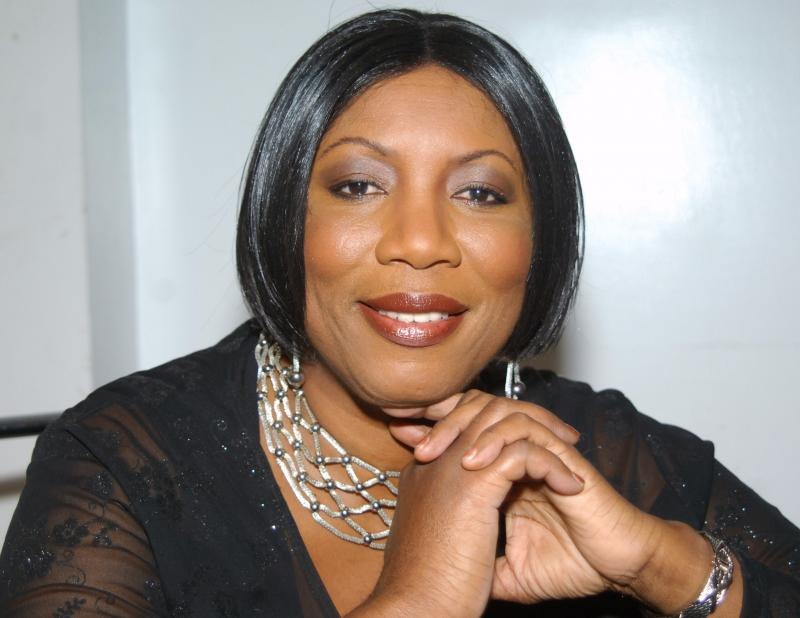
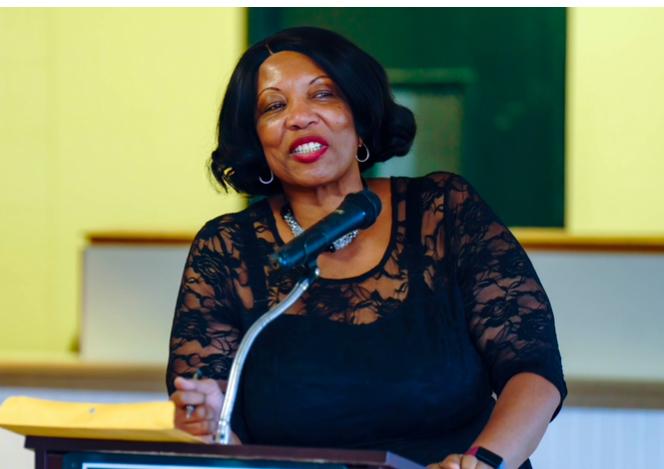
Trish St. Hill was born in the vibrant and culturally rich nation of St. Vincent and the Grenadines in the West Indies. As an English-speaking West Indian immigrant, she experienced firsthand the lack of literature representing the struggles of Caribbean immigrants in the United States.

Visit my website: https://www.trishsthill.com

  • In this article, “What makes a book a page-turner,” I explore the journey of transforming my first book from an idea to a manuscript, and finally to a published work. I dissect the various facets and stages of a book that captivate readers through its characters and storylines. Most importantly, I aim for this article to serve as a motivational tool for aspiring writers pursuing their goal of becoming published authors, shedding light on the distinction between merely writing a book and crafting one that truly engages its readers.

    In 1984, I was a young pregnant wife living in Long Island, New York. While in college, my husband and I made the decision to buy a house in the suburbs. With our new home, I aimed to fulfill my vision of a house, child, and white picket fence—an idyllic representation of the American dream. However, I soon discovered that I lacked the maturity to cope with the complexities of life, and that which we believed would bring us joy began to strain our young marriage. As stress mounted and the pressures of this new chapter of life became overwhelming, I turned to a cherished hobby—writing—as a form of escape and expression.

    I noticed a scarcity of West Indian literature in American bookstores, which fueled my desire to start a novel with a Caribbean theme. Lacking a computer or typewriter, I opted to write my manuscript in a well-worn notebook, pouring my heart and creativity onto its pages. Over the years, this manuscript traveled from upstairs to the basement to the garage, stashed away but never forgotten. It was a testament to my evolving dreams as a writer. Eventually, when I bought my first computer, I typed it from the notebook, but it remained untouched on my device for years—a dormant project waiting for the right moment to be revived.

    When I finally decided to proofread it, I encountered a disheartening obstacle: I couldn’t find the file on my computer. Feeling defeated, I searched my home for answers and, fortunately, discovered a hard copy tucked away in a box. A friend kindly scanned the document for me, yet the scan wasn’t perfect, necessitating considerable effort to clean up the manuscript. Nevertheless, I finally had a draft that I could work with.

    I began to make changes, adding new characters and altering storylines to enhance interest and depth. Backstories emerged, enriching the narrative, and a mystery was introduced to keep readers engaged. That’s when the eccentric character Miss Maddie came to life, adorned with her authentic Caribbean flair, while the foul-mouthed Gloria provided a counterbalance to the level-headed Felicia. Their peculiar friendship became a focal point; it evokes curiosity regarding how two young women with contrasting personalities can maintain such a genuine bond. You feel compelled to understand Gloria without judgment, to grasp her imperfections because you sense there’s a deeper story behind them. The narrative captures the dichotomy between right and wrong yet invites exploration of the grays in between.

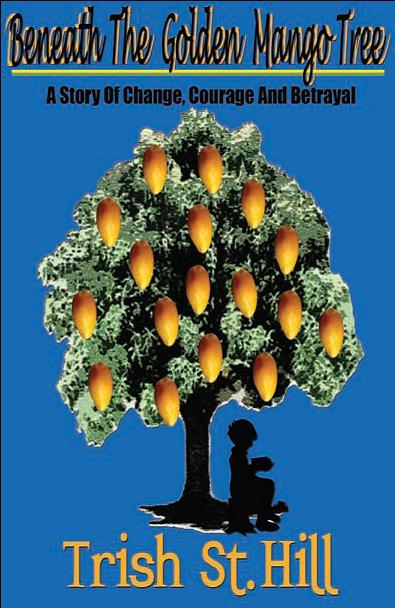
    The unfolding story spanned several counties and continued to evolve as I learned more about our Vincentian Garifuna heritage. Felicia Jones transformed into Felicia Francois, a character who, like me, sought to explore the rich history and traditions of the Garifuna culture. The book’s title shifted from Beneath the Golden Apple Tree to Beneath the Golden Mango Tree, when my 24-year-old daughter told me that the West Indies is more renowned for mangoes than apples. This detail was particularly poignant, as I had begun writing this book while pregnant with my daughter, who was now in law school and contributing her insights.

    In addition to embracing a Caribbean theme, the story gradually took on a Garifuna theme, which allowed me to delve deeper into our roots and convey the vibrant tapestry of our culture. After 24 years of wandering through various stages, the manuscript was finally ready for publishing. It narrates the tale of a Vincentian Garifuna girl who travels to New York, facing the challenges of coming of age in a culture foreign to her, while clinging to her West Indian traditions—a journey that resonates with many readers.

    The subsequent year was a whirlwind spent researching and finalizing the book for publication, revealing the harsh realities of the publishing industry and the dedication required to bring a book to life. After 25 years, Beneath the Golden Mango Tree graced the shelves of bookstores, including Amazon and Barnes and Noble, throughout the U.S.A., Central America, and the Caribbean, reaching readers who resonated with its themes.

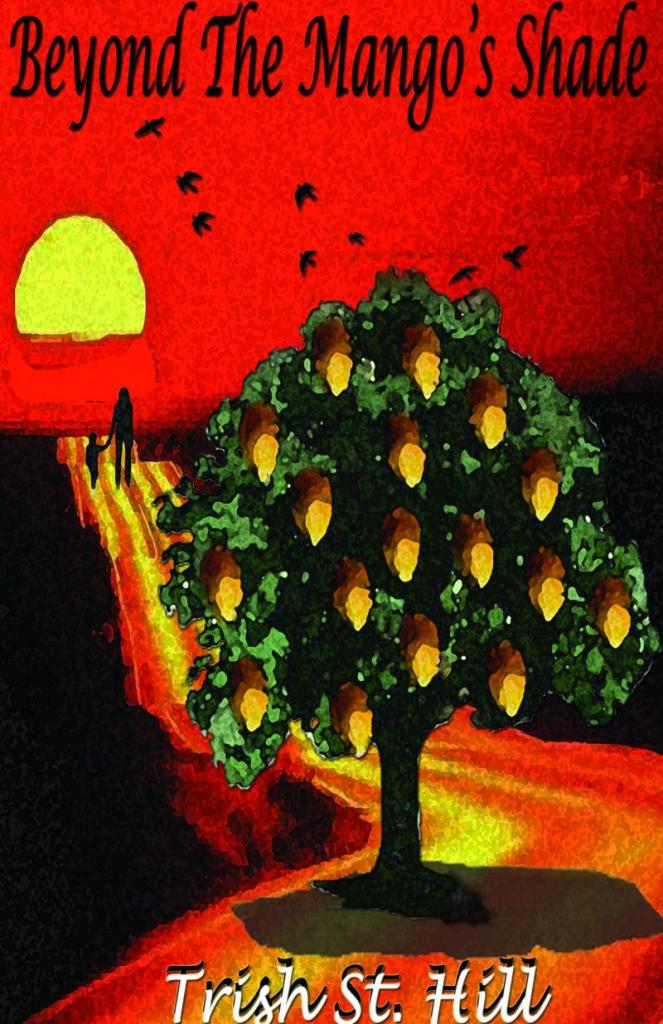
    My promotional journey led me to television and radio appearances across the Americas and the Caribbean, where I shared my experiences and insights about writing and the importance of cultural representation in literature. Every weekend, I engaged in speaking events at colleges in both the USA and Central America, inspiring students and aspiring writers. Several institutions even adopted the book as a Caribbean literature textbook, further validating the significance of my work. A professor at Malloy College even nominated this book, along with my follow-up work, ‘Beyond the Mango’s Shade,’ for the Nobel Prize in literature—a nomination that, while ultimately not culminating in an award, was a gratifying honor that reinforced the impact of my writing.

    My advice to writers is to fearlessly commit your thoughts to paper or a computer and not let the fear of rejection hold you back. Everyone has a book within them, whether it’s a cookbook, poetry, children’s literature, a novel, or a self-help book. It might even be an autobiography, but it’s there, waiting to be uncovered and shared with the world. Follow your writing dreams, even if your only intention is to write for yourself; your voice and story matter. Embrace the journey, for every word penned brings you closer to achieving your aspirations as a writer.

  • As part of my social well-being, I always ensure that my life is a medley of peace and quietness mingled with social interactions. I spend countless hours writing, but I always stop to walk or go into the city for lunch, as these breaks rejuvenate my spirit and keep my creativity flowing. I enjoy the simplicity of life as much as the complexities, finding joy in the little moments of laughter and connection with others. The importance of a healthy balanced life is knowing how to balance life efficiently, recognizing when to retreat into solitude for reflection and when to engage with the vibrant world around me. Socialization can come in the most basic way yet offer so many rewards; a smile from a stranger or a heartfelt conversation with a friend can uplift one’s entire day. Going to the sea and soaking in the cool water while the waves lap rhythmically along the shore is the stuff that relaxation apps are made of, providing a serene escape that nourishes the soul. The last two weekends, I visited my hometown Barrouallie A.K.A Bagga. This is a picturesque, quaint fishing community that bustles with the simple intricacies of life 24 hours, characterized by a sense of unhurried pace and timeless charm. It is the town that never sleeps, wrapped in a comforting blanket of familiarity and warmth. This town is known for its blackfish and particularly the very coveted blackfish crips, a local delicacy that is both flavorful and steeped in tradition. Even local restaurants like Rhe’s Restaurant showcase blackfish delicacies that are uniquely theirs, often prepared with recipes passed down through generations.


    Bagga’s fish fest is a monthly event that draws people from around the island, turning the streets into a lively canvas of culture and flavor. Locals and tourists converge on the town to enjoy the food, music, and jovial exchanges that fill the air with laughter and connection. Visiting this town is truly a trip down culture alley, rich with experiences that forge bonds between people. This is a town that is always evolving but always maintaining its core culture, reflecting a beautiful blend of tradition and modernity. You never know what you will see when you visit this town; it might be a spirited funeral with music and dancing around town, a joyous celebration of life, or young people gathering at a music fair, expressing their creativity and passion for art. Vendors along the streets line up with trays of vegetables, fruits, and homemade snacks, each one telling a story of the land from which they come. Farmers making their way home after a long day of toiling, as fishermen enlist the help of villagers to pull in the nets with their daily catch, creates a vivid tableau of the interconnectedness of community life. One of the most beautiful things is to see the children gleefully swimming around the beach, splashing around with such innocence and joy. They may take it for granted because it is a part of their daily routine, but this is the stuff people pay money to travel and enjoy—the simple, pure pleasures that resonate with the heart.


    As I am re-reading my books before loading them electronically onto my blog, I realize that they are heavily laced with Vincentian history and culture from start to finish, woven intricately into the fabric of my narrative voice. It is so interesting how our upbringing can heavily influence us, and how much our entire lives are saturated with the environment from which we came – our families, neighbors, customs, and lifestyles. Each page captures not just a story but a sense of place and belonging, reflecting the rich tapestry of Bagga’s influence on my journey. I hope the essence of Bagga never dies, for it is a repository of memories and experiences that shape who I am. There are not many places you can go back to 45 years later and still see a life that is reminiscent of the way you knew it, where the past seamlessly intertwines with the present in the most beautiful way. The people work hard to make sure they can reasonably enjoy most modern amenities, but they work just as hard to ensure their old way of life never dies, and remain a constant reminder from whence they came, preserving the spirit of Bagga for generations to come.

  • Getting Started with Your Book

    As stated in an earlier post, there is a book in everyone. Whether it’s poetry, a cookbook, an autobiography, a novel, a children’s book, self-help, or a how-to book, it’s in there. But how does one get started?

    For some people, it is about finding motivation. For others, it’s about time management, and sometimes people just don’t understand the process and how to begin.

    My Approach: Story Mapping

    One of my approaches is to take as little as one hour to jot down my layout, or what I call story mapping. My books are novels, but for most types of writing, it may simply involve making notes. If you have a computer or tablet, type it in. Start right where you are with whatever tools you have. Use the time you allocate as your special time to unwind rather than stress.

    For instance, after you have put the little ones to bed, and have done the dishes and laundry, take an hour or even 30 minutes for yourself to jot down your ideas. Don’t worry about format and errors at this stage; these are things a good proofreader and editor can iron out for you later on. You should never proofread your own work anyway.

    The Importance of Getting Started

    The important thing is to get started. If you take public transport, use that time to make notations. During your lunch break, use 15 minutes to write. The book is within you, and getting started is within your reach.

    Maintaining Momentum

    But how do you keep the momentum going once you start? Once you begin writing, commit to your scheduled writing time. Some days, you may write 10 pages; other days, only a paragraph. Even if you don’t write directly for your book one day, you might jot down reminders or research questions. It’s okay as long as you stay committed in some way.

    Crafting Your Writing Style

    You may also want to spend time crafting your writing style. It’s important to be authentic and develop your own voice, but it never hurts to observe the work of other writers in your genre. You may pick up simple formatting styles or recognize patterns in your errors that can improve your writing.

    Consider taking an online writing class. My first book was handwritten because I did not have a typewriter or computer. By the time I began to type the book 25 years later, I realized the story fell flat in some places. Writing historical fiction is challenging because, while it may have some historical context, the characters can be fictional.

    I decided to take an online class called “Descriptive Writing.” It was immensely helpful and contributed to a richer and more descriptive storyline.

    Conclusion

    Whether you are just starting your writing journey or seeking to enhance your skills, remember that the most important step is to begin. Embrace the process, stay committed, and your book will emerge.

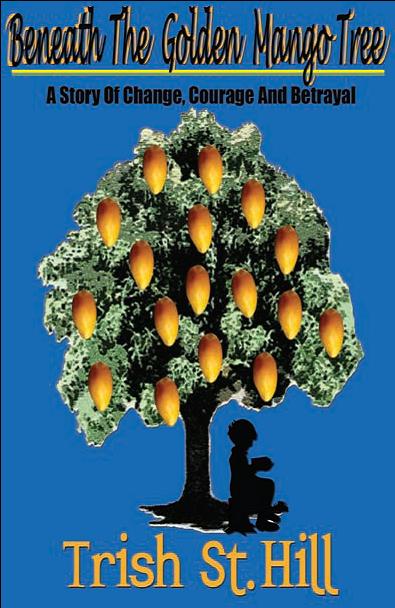
  • In 1984, I wrote my first novel called “Beneath the Golden Mango Tree.” However, it would take 25 years before I published it in 2009. During this time, I decided to use my American nickname, Trish, and my mother’s maiden name, St.Hill, as my pen name. Thus, in 2009, Trish St.Hill was born, marking a new chapter in my literary journey.

    My entry into the publishing world was somewhat serendipitous. When I made the decision to publish my book, I was confronted with the daunting reality of the numerous rip-offs prevalent in the publishing industry. This was a landscape filled with both opportunities and pitfalls, and it was eye-opening to realize how many aspiring writers were misled and exploited. The combination of passion and caution propelled me toward self-publishing my first book, allowing me to retain creative control and credibility.

    Shortly after this, my neighbor approached me with a request that would inadvertently shape my future. She sought my assistance in publishing her children’s book, and this collaborative effort laid the foundation for my publishing venture, culminating in the establishment of Ajani Publishing. The experience of expanding into children’s literature opened new avenues for creativity and community engagement, sparking a camaraderie among local writers and artists.

    In 2011, I wrote and published my second book, “Beyond The Mango’s Shade.” This book, much like its predecessor, delved deeply into themes that resonated with my background and cultural experiences. Both books later received nominations for the Nobel Prize in Literature, an accolade that recognized the effort and emotion poured into my work. Although I didn’t win, the mere nomination was a significant achievement, serving as a testament to the importance of storytelling and cultural expression.

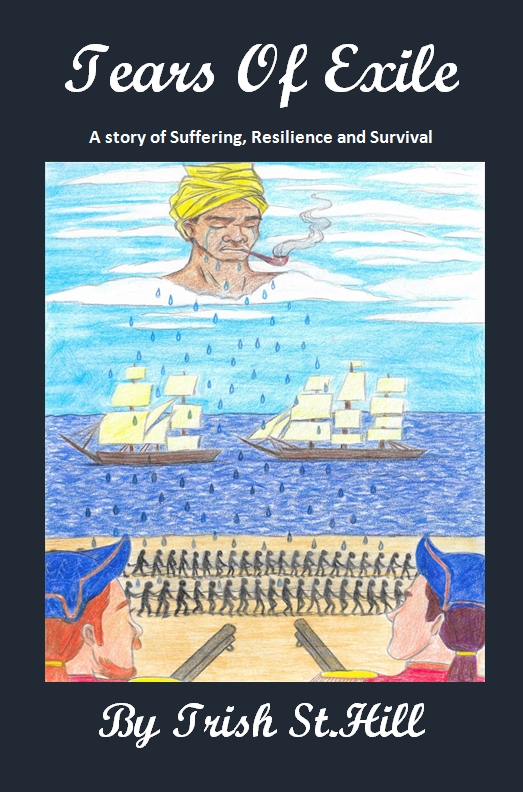
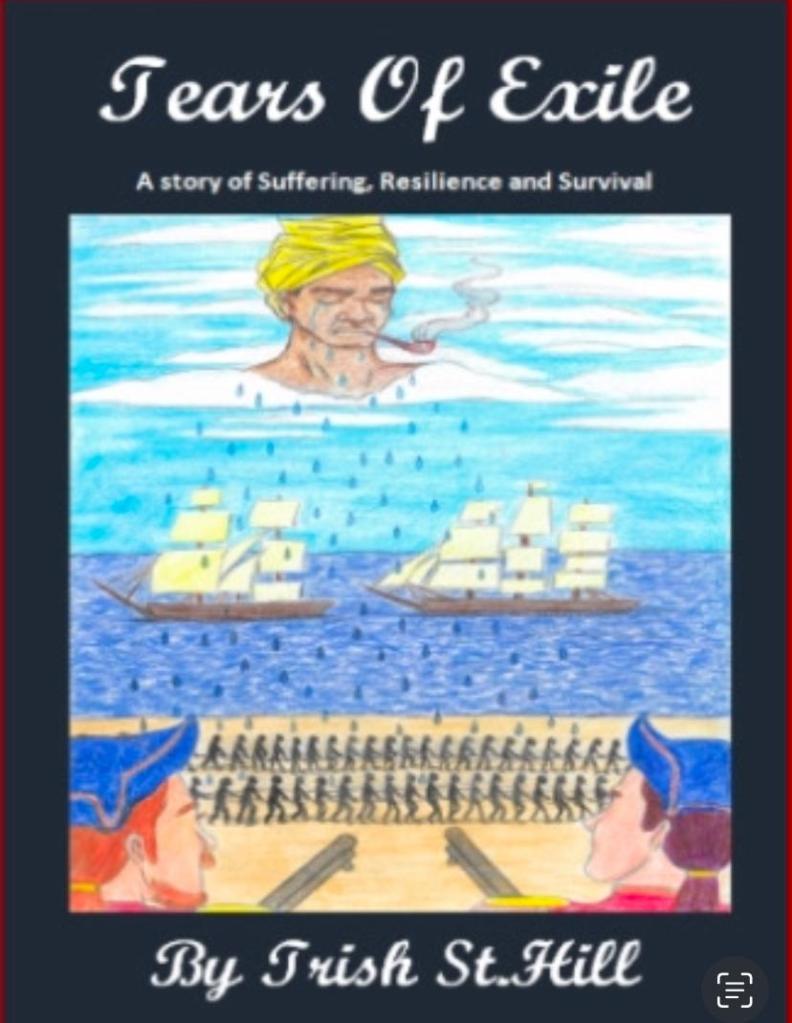
    Fast forward to 2015, I completed my third and final book in that series, titled “Tears of Exile.” This work went beyond mere storytelling; it focused on the life and times of the Garifuna people, paying considerable attention to their exile from St. Vincent and the Grenadines (SVG). Through extensive research and heartfelt narrative, I sought to portray their struggles and resilience. While it is a historical fictional account of the Garifuna experience, it reflects much of the reality of their Hellocast — being placed on a barren island by the British and subsequently exiled from their beloved Yurumein (St.Vincent and the Grenadines). This narrative sparked conversations about identity, heritage, and the importance of preserving history through literature.

    Embarking on this literary journey further fueled my passion for cultural preservation and activism. I later devoted a portion of my life to cultural retrieval activism as the head of the cultural retrieval organization called YUGACURE. This organization became a beacon of hope and a platform for the Garifuna community to connect with its roots. For six years, YUGACURE held summer workshops in SVG, aimed at aiding in retrieving our indigenous Garifuna language. The commitment exhibited during these workshops was truly inspiring, as Garifuna from Central America joined in the effort to help the Garifuna people in their ancestral homeland reclaim their language. Key facilitators in this initiative included James Lovell, Eleanor Bullock, Erica Zuniga, Christine Vernon, and Georgette Lambey, with me as the executive director and coordinator. Their dedication and hard work were integral to the success of this program, which fostered a renewed sense of pride and community amongst participants.

    These days, I spend much of my time writing my fourth novel and crafting a screenplay for my first series. My writing process has evolved, and though I don’t write every day, I dedicate significant time during my weekdays to this creative pursuit. I firmly believe in pacing myself and understanding my limits. While I feel capable of pursuing my numerous goals, I’ve learned that I can’t achieve them all at once. Balance is essential, and it is perfectly acceptable to give myself grace if I don’t accomplish everything I set out to do. Sometimes, it’s necessary to pause, take a deep breath, and navigate the juggling act that is life, embracing both the challenges and joys that come along the way.

  • As we navigate the retirement stage of life, it is important to maintain healthy social networks – talk to relatives and friends regularly, visit family and have them visit you. It doesn’t have to be a big to-do; small gestures can have a significant impact. To further clarify, I will give some examples. I make a conscious effort to reach out to friends and family on a daily basis, rotating phone calls as to who I call. I have a bi-weekly meetup and breakfast with friends when I am in New York and mix that in with hanging out with my family. Sometimes it’s a trip to a resort with the entire family, or a visit with my daughter to our favorite lounge for some jerk tacos, which always brings back fond memories of our shared experiences.
    But everything doesn’t have to be about spending money. Sometimes we just watch our favorite 90 Day Fiancé show with a bowl of popcorn, sharing laughs over the hilarious moments and discussing the episodes. But whatever I do, I chat with my family and reach out via phone or social media to those afar. In the Caribbean, I make it a point to visit various relatives and friends as well as have them visit me, which helps strengthen our bonds and creates new memories. My sister and I meet up regularly to spend quality time, whether it’s going to the beach, exploring new places, or just reminiscing about childhood memories with laughter and warmth.
    Sometimes we isolate ourselves from loved ones and the world, unintentionally creating distance. We stop calling, and no one bothers to call us; it’s a silent spiral that many find themselves in. We stop going out, and no one checks on us. This is usually the precursor to depression and other mental illnesses. It is important to not only have family support, but to also have social interaction of some sort on a regular basis. If you are like me, you can write. Your writing doesn’t have to be too formal; it can be a way to express your emotions and connect with others. You can write a journal, poems, or short stories that share your experiences. You can also create social media family or friend chats that engage relatives and friends, keeping your circle informed and involved. The idea is to find a feasible way to stay in touch with your circle; sending quick messages or sharing photos can keep the connection alive. Not only do you need that social interaction, but the people you reach out to may need it as well, creating a reciprocal relationship that benefits everyone involved.
    The beautiful thing about the world we live in is that it is not difficult to stay in touch. We no longer have to write letters that take weeks to arrive at their destination, or pay expensive phone bills to converse with someone, or buy an airline ticket or drive a car to visit anyone. We can do free video chats or make calls on social media like WhatsApp or Messenger. What it takes is a determination to stay socially engaged and for those around us to check in, fostering a community of care and support.
    In one week, I visited my parental home and spent quality time with my sister where we enjoyed a refreshing sea bath and finished the weekend at her house, reliving our childhood and sharing dreams for the future. During the week, I worked on my fourth novel, another passion that allows me to both express myself and connect with others through storytelling. I went to the city to meet up with my sister and have lunch with my niece, cherishing those moments that often slip by too quickly. At the end of the week, we went to my cousin’s house for a social gathering filled with laughter and joy. By the weekend, I am back at my parental home to spend the night, enjoy my weekly sea bath, and go back to my sister’s house for a night before visiting my ancestral home where I was born. A trip there always offers an opportunity to walk in the footsteps of our great grandmother, a journey through memory and legacy that enriches my spirit. My cousins still live there, and we are still able to visit and reminisce about the good old days, sharing stories that weave the fabric of our family history.
    There are simple ways to stay in touch, keep your spirits up, and engage in healthy interactions that nourish the soul. There is no need to shut ourselves out from the world, or go into a mental funk. Retirement is a time to recharge, enjoy life to the fullest, and do all the things you wanted to do before retirement but didn’t have the time for. There is journaling, social media engagement, lunch and meet-ups, gardening, going to the gym, walking pets, or even taking cruises that open up new horizons. The possibilities for staying in touch are endless; the key is to be proactive and intentional about maintaining those connections. If you are blessed to reach retirement, you are among God’s lucky people. Don’t squander it; instead, embrace this season of life with open arms and a joyful heart, surrounded by those you love.

  • Blackfish Crips and Coconut/Waternut

    Living in the bustling state of New York, I grew used to conveniences at my fingertips. I took such things for granted, because they were always there, and I never saw it as something that, in some ways, can adversely affect my health. If I needed something in the pharmacy, bank, or supermarket, it was right there, almost like a comforting blanket of accessibility that wrapped around my daily life. When I felt like working out, the gym was close by, and there were scores of fast-food restaurants around me, making it all too easy to indulge in unhealthy choices at a moment’s notice.
    Stepping out to life in the Caribbean may seem like moving to a less developed lifestyle, but in some ways, it may be a blessing in disguise. I may not have many businesses close by, but that only forces me to walk more, reconnecting me with the simple pleasures of life. I may not have access to a gym, but I mentioned in an earlier post that I got in the habit of walking back and forth in my hallway 50 times per day, which has become my way of incorporating exercise into my routine. So, I get my steps in, and I also get additional exercise from walking to the store, the beach, or around the city to do my shopping, allowing me to soak in the vibrant surroundings, the colors, and the sounds of life. I eat more homecooked foods because there is no Domino’s Pizza or McDonald’s, or Wingstop close by, so I know what I am putting in my body, making conscious choices about my nutrition.
    Not only do I eat more homecooked foods, but I eat healthier options as well, finding joy in having meals prepared for me from scratch, with locally sourced ingredients. My salads are made from fresh, organically grown vegetables, and so is my meat, often acquired from local butchers who take pride in their skills. Although I spend a lot of time in front of my laptop writing, I always make sure to get up regularly and move around the house, stretching my limbs and refreshing my mind. I spend time visiting relatives and engaging in hearty reminiscences of our life in days of old, sharing stories that connect us to our roots and heritage. I embrace the country as it is today, understanding that times always evolve, but I try to maintain some of the old customs, which enrich my life with a sense of continuity. Most importantly, I remove my American lens from the way I view the Caribbean, striving to appreciate its uniqueness and cultural richness.
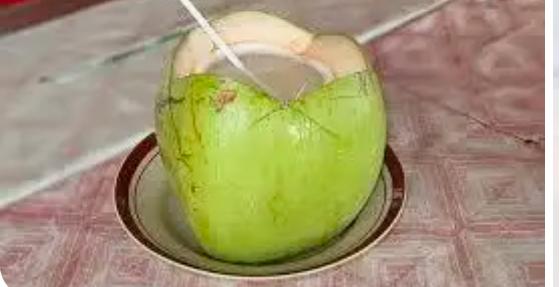
    My view is not that of a tourist who visits the Caribbean via a resort or who gets driven around by a tour bus. I see nothing wrong with that indulgence, but the Caribbean is most beautiful in its natural form, when you live in a town or village among the people or jump into a minibus to get around, feeling the sea breeze and the warmth of the sun on your skin. There is also something special about stopping at a stand in the local market or along the road to buy some fruits and vegetables or drink some coconut water straight from the nut, experiencing the true flavors of the region. Let’s also not forget the roast corn the vendors sell by the roadside, a simple yet delightful snack that reminds me of the joy found in local cuisine.
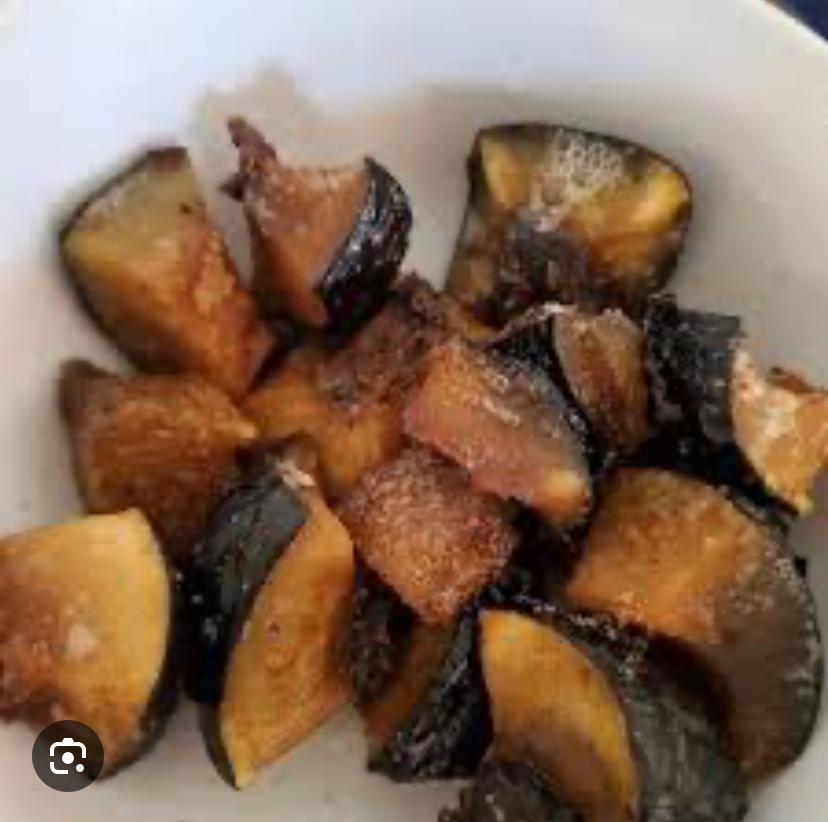
    This past Friday, I attended the local Fish Fest in the fishing town of Barrouallie, which turned out to be a delightful highlights in my new life. There was a live band playing infectious rhythms, and vendors selling a myriad of fish and local dishes around the town, filling the air with tantalizing aromas that beckoned everyone to indulge. There was a sea of people from all over the island who converged on Barrouallie, coming together as a community to celebrate the abundance of the sea. My main interest was eating some blackfish crips, which are a local delicacy, native to that town for ages, evoking a sense of nostalgia as I savored each bite. The oil from the blackfish crips, which is rich in omega-3 fatty acids, is said to have great medicinal value for everything from the common cold to cardiovascular issues, enhancing my appreciation for the food I consume and its connection to well-being.
    The Fish Fest was not an event in my days growing up in Barrouallie; it was clearly developed to showcase the town’s tradition while creating an economic outlet for local vendors and fostering a sense of belonging. This was a moment for me to sit and hold onto traditions while embracing healthy changes, realizing the balance between preserving our heritage and adapting to new realities. Differences are healthy; it’s not better or worse, it is just different, reflecting the diverse experiences that shape our lives. Change is good if we are not abolishing our traditions but rather finding ways to showcase and highlight them, like this vibrant festival that celebrates our culture while weaving in the threads of modernity.

  • What if you want to publish a book, but you are not comfortable writing or have the time, are you dead in the water?
    This is not necessarily the case. Some of the greatest authors are not writers. Many people have the ingredients for a good book, but either do not feel confident in their writing skills or simply do not have the time. Some authors hire a ghostwriter to put their words on paper and to dot the “i’s” and cross the “t’s”.

    The key is in finding a publishing company that would meet your needs. I have worked with clients as a ghostwriter and typist, as well as translator and publisher. The thing to note here is that the more a publisher has to do for you, the more it will cost you, but most things can be done. I remember getting a call from an elderly client who had a manuscript but had lost most of it. To make matters worse, she was hard of hearing. So in addition to the regular editing, proofing, copyrighting, and other things involved in publishing, I had to recreate 75 percent of her book. Then there was the client who had handwritten a book in dialect. Another one that comes to mind is a Spanish-speaking client who wrote her book in broken English. My job was to decipher the book and convert it to standard English. Publishers are used to cleaning up manuscripts, but trying to understand what someone is trying to say when they speak another language is very challenging.

    Another service our clients frequently sought were pictures for children’s books. But just getting our artists to draw some pictures is no easy task. The pictures have to mirror what the author has in mind.

    Whatever work I do for my clients, the book is not mine. My job is to transfer their words or materials to publishable quality and get it into book form.

    My point here is that anyone can author a good book. Simply because you did not sit at a computer and type a book does not mean you are not the author. Regardless of who typed the manuscript, the information will come from you, so it is every bit your book. Therefore, if you are serious about writing a book, do not let anything stand in your way. Find yourself the right publisher and make it happen.

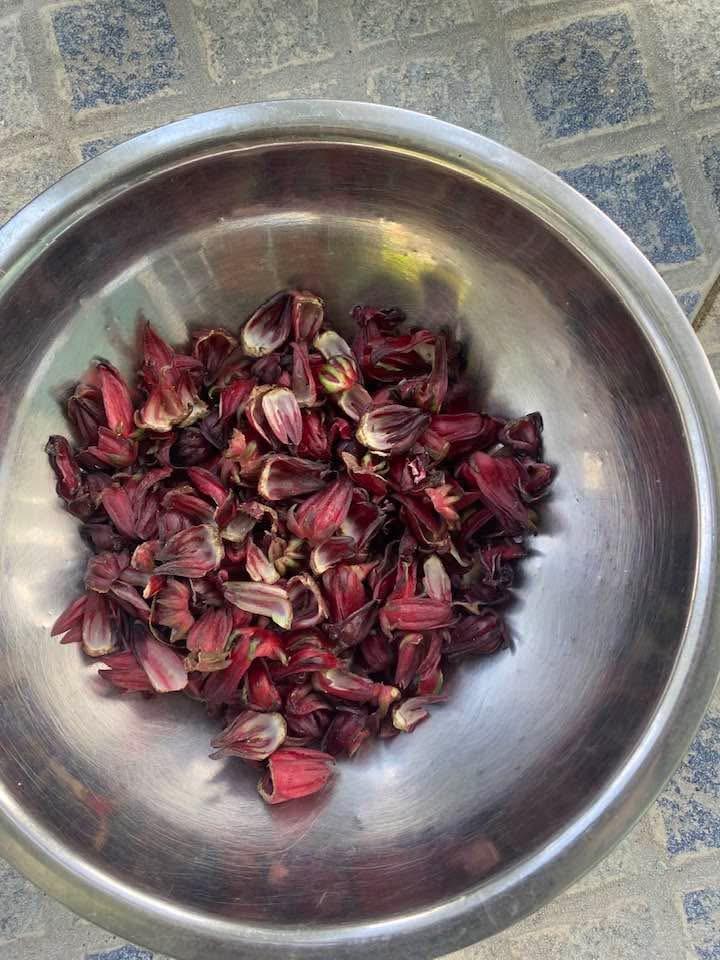
  • The beauty of being in the Caribbean is that you have continuous access to natural, organic, and fresh foods. Since arriving here, I have enjoyed a seemingly endless array of fruits, vegetables, and spices. I’ve had the pleasure of receiving breadfruit, sweet potatoes, eddoes, plantains, turmeric, sorrel, golden apples (June plum), passion fruits, and even a few mangoes, which, interestingly, are not in season at the moment. The experience of being able to pick moringa leaves straight from the tree is something that truly enriches my life. While I am not dismissing the convenience of Amazon, which has allowed me to purchase some of these leaves and herbs, it undeniably feels refreshing to get organic, fresh leaves and spices locally to enrich my meals, especially when preparing dishes that utilize the amazing benefits of my moringa tea.

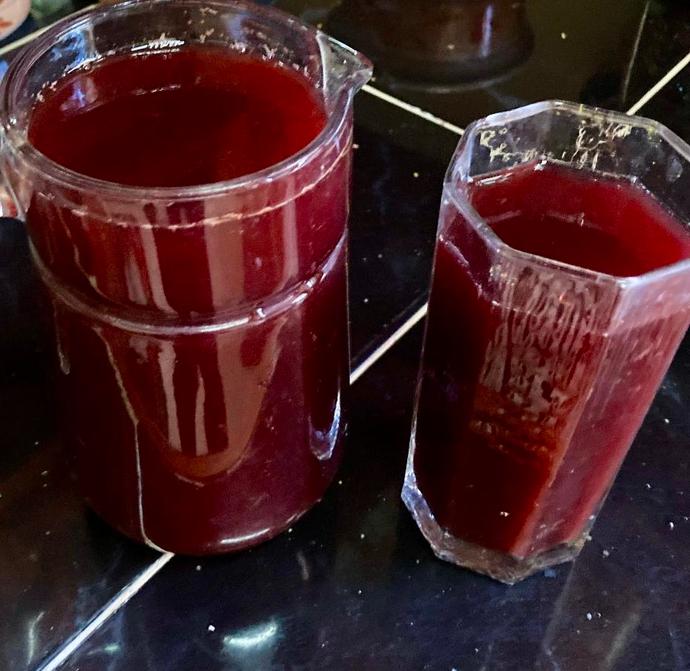
    With an abundance of guavas on my property, there is no shortage of guava jam and jelly in my household. I am able to start each day with a nutritious power shake made from a mix of guavas, golden apples, and passion fruit. The addition of turmeric and ginger creates a delightful and energizing blend that packs a powerful punch of health benefits. And let’s not forget the invigorating sorrel beer and Mauby drink that adds a local flair to my drinks.


    This lifestyle is reminiscent of my upbringing. We produced most of our foods, fostering a deep connection to the land and nature. We would gather eggs from the henhouse, while my father took on the responsible task of milking the cows in the morning, diligently scalding the milk to kill any bacteria that might pose a risk. The animals we consumed were organic, a significant point we took for granted. My mother would either kill chickens or, depending on the occasion, a goat, sheep, or even a pig or cattle for the holidays. Occasionally, she would buy freshly killed meats from a local butcher, ensuring that these sources were trustworthy and free from any harmful additives. There simply were no hormones or chemicals present, reinforcing our wholesome approach to meals.


    Fish was an integral part of our diet and was caught fresh daily by local fishermen. They were often assisted by locals in pulling the nets in, ensuring a community-oriented effort. The fish were still flipping as they were sold to customers, with a portion of the catch netted out for their helpers who contributed to the labor. I vividly recall lying in bed yesterday at my parental home, awakening to the familiar sound of seashells blowing, signaling the fresh catch of the day. I am both thrilled and amazed to see that this traditional form of communication still exists, exemplifying a beautiful connection to the past and our local culture.


    However, it is bittersweet to witness how unhealthy and fattening foreign foods have begun to overshadow the more nutritious local options. I can’t help but feel a sense of urgency regarding this issue. I understand that one of the contributing factors to this trend is the harsh reality of life for many, where survival often takes precedence over health. When families abroad send barrels home to help ease the burden, it is usually welcomed for its cost-cutting measures. The intentions behind these shipments are commendable, but the result can be detrimental to one’s health, leading to a reliance on less nutritious options.


    So what, then, is the answer? Perhaps those of us living abroad should exercise greater mindfulness regarding what we choose to include in those barrels we send home. To elaborate on this, let me share my personal approach as an example. I make a conscious effort to ship whole grain rice, but I complement that with locally sourced whole wheat bread and brown sugar to maintain balance. I’ve also sent occasional corned beef and tuna for when the desire for a picnic strikes, but I ensure I am sourcing fresh meat and fish from local markets. Instead of opting for sugary drinks laden with artificial colors, I prefer to create my own refreshing beverages such as homemade lemonade, sorrel drinks, and vibrant fruit shakes. I make an effort to consume more breadfruit and steamed vegetables than regular bread; although I do enjoy bread, I ensure that it is whole wheat to prioritize my health.


    I am not a farmer by profession, but as I embrace my time here in the Caribbean, I find myself increasingly interested in exploring small-scale farming ventures. The potential for growth and self-sufficiency in that realm is exciting and nutritious. Most importantly, it can make a significant contribution to a healthy lifestyle. There is nothing more important than know what you put into your body.


    In summary, while I do send items from abroad, I strive to include the healthiest options available, especially while navigating the limitations of securing truly organic, fresh foods abroad. I make it a point to utilize local foods as much as possible and remain mindful of my own health choices. To complement my lifestyle, I place an emphasis on staying active. Although there is no gym or specialized equipment nearby, I stay engaged through a variety of chores around my home. I often utilize a very long hallway for exercise, walking back and forth 50 times and incorporating some girl push-ups into my routine until I can eventually ship some proper equipment down. When life throws you lemons, I believe in making lemonade out of those challenges. Ultimately, we are all tasked with surviving and thriving in the best ways we can; let’s embrace creativity and resourcefulness in our quest for health and well-being.

  • I remember from the age of 9, that I would find a quiet valley above our house. I would sit quietly on a rock and gazed off into the nearby village of Kearton’s, nestled serenely on a hilltop. I dreamt of far-off places like America and wrote short stories. My mother often thought I used daydreaming as a way to escape chores. I did hate chores, but my escapism was truly based on my curiosity and a desire to write and take my mind to far-off places.

    My handwriting was the worst. At school, I would put my heart into a short story only to have my teacher give me a failing grade. One day he called me to the front of the class. “You are a great storyteller,” he said. “but little girl, why do you have so many scratches in your writing? You scratch out just about every other word. I have been failing you all this time because I couldn’t make out what you were writing. I forced myself to read this story, and except for the scratches, it is excellent. Why do you scratch stuff out so much?”

    “I don’t know,” I responded nervously, wringing the hem of my uniform.

    “Maybe you are thinking way faster than you write. Slow down and take your time and try not to scratch out so much.”

    I walked back to my seat elated as if I was walking on a cloud. My handwriting was never the best, but I took my time and stopped scratching out every other word. My confidence was boosted and my passion for writing short stories grew.

    I read everything I could get my hands on and wrote stories every chance I got. I began to engage in people watching, which together with my overactive imagination, fueled my writing further. After high school, my sister and I started a new business until I left for the U.S.A. As with most young ladies, I soon met and married my first husband. It was the trauma and pain from that marriage that propelled me to write my first novel. This was truly a case where my imagination saved me from insanity. Stay tuned to how I came to write my first novel, “Beneath The Golden Mango Tree.”

  • Daily writing prompt
    What is the biggest challenge you will face in the next six months?

    Getting use to being an empty nester while balancing my professional and personal life.