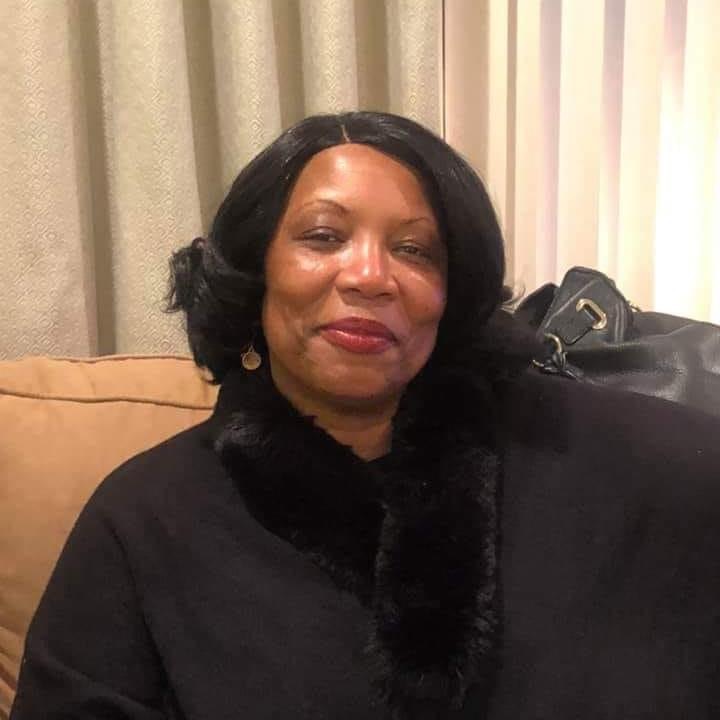
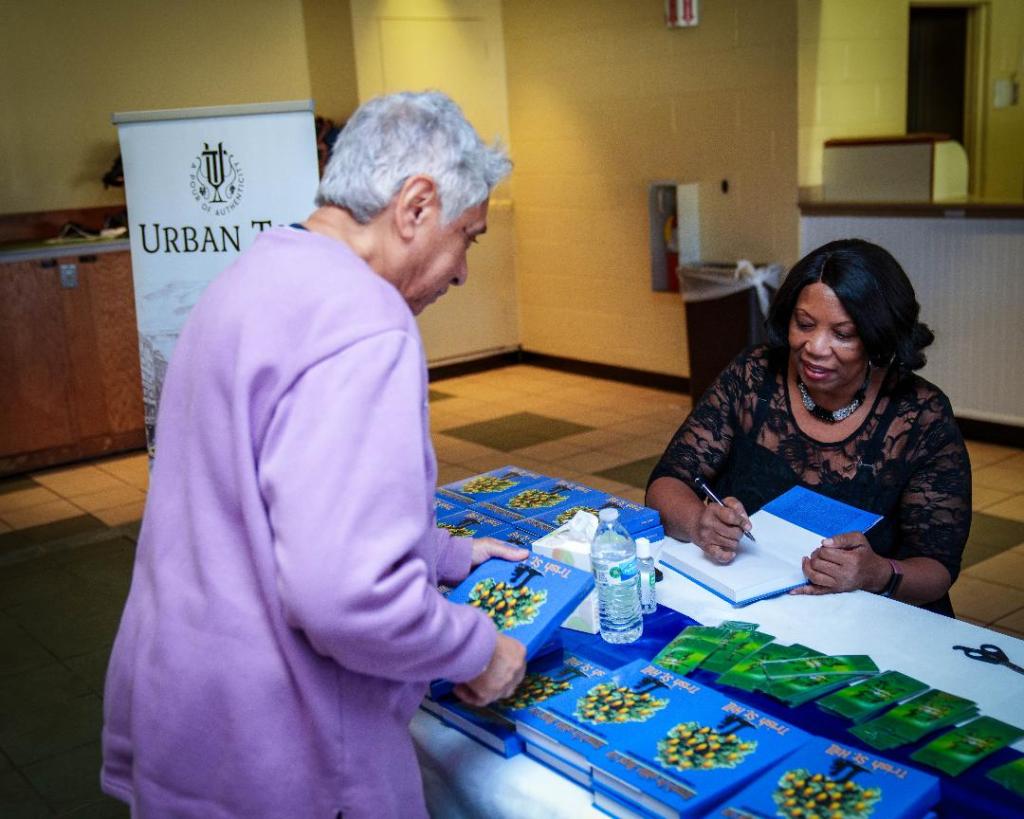
Trish St. Hill was born in the vibrant and culturally rich nation of St. Vincent and the Grenadines in the West Indies. As an English-speaking West Indian immigrant, she experienced firsthand the lack of literature representing the struggles of Caribbean immigrants in the United States.
After weeks of writing, swapping names, and eliciting feedback from others, the name of my book is finally picked. Although I won’t reveal it here, it is quite fitting to the story, encapsulating its essence in a way that feels both profound and impactful. Like any literary work, publishing a book is akin to giving birth—a process that is both exhilarating and exhausting. You write, edit, and choose a name for your book, and eventually publish it, similar to going through a pregnancy, experiencing the labor of love, and then naming your baby, followed by the moment of baptism that seals its identity. Feelings of relief flood through my very being, filling me with a sense of satisfaction that is difficult to explain, a mixture of pride and vulnerability.
I remember when I first thought of this book; it had been a part of my mind for so many years that the characters all have faces and personalities I could see and feel figuratively. They live in my mind, go to sleep in my head, and wake up in my heart daily, each with their own dreams and desires, waiting for the moment they can share their stories with the world. The journey of bringing them to life has been both a challenge and a joy, filled with countless moments of doubt and confusion, yet also bursts of inspiration and clarity that have driven me forward on this creative path.
I remember the writer’s block, the revival, and the contradictions that necessitated corrections and edits that ultimately changed the entire course of my writing journey. Each shift and adjustment revealed a new layer to the narrative, shaping the storyline which evoked such real emotions in me. There were countless sleepless nights when I desperately struggled to tie the various threads of my plot together, feeling the weight of the narrative pressing down on me. Yet, there was also pure elation when a breakthrough struck, illuminating the path forward and allowing everything to click into place.
Visions of my protagonists danced in my head as I relished in their moments of joy, endured their heartaches, and journeyed alongside them through their trials and triumphs. Each character’s development echoed many elements of my own personal experiences, giving depth to their arcs. Finally, after much toil and dedication, the book has been written, it has a name, and I now step onto the next phase: editing. This will be my opportunity to refine the prose, enhance the narrative flow, and ensure that every sentence resonates. Next, I will prepare for the final stage of publishing, where my creation will find its way into the hands of readers eager for new worlds to explore.
SYNOPSIS OF THE BOOK
For eight-year-olds Hawk and Melvina, a harmless encounter sparked the fires of friendship that took them on a journey of fierce loyalty, dedication, and innocence. As the tide of their friendship bloomed against a backdrop of life’s seemingly incorruptible charm and love, the gentle breeze of reality illuminated a tender reminder of life’s turmoil awaiting them just around the corner. As they navigate the path of love set innocently before them, filled with laughter and memories, they come to the sobering realization that their naïve emotions, once a source of pure joy, set them up for disappointment, pain, and deception. As they traverse the alleyway of a footpath paved by secrets, lies, and betrayal, the weight of their unspoken fears looms heavily over them, as they find themselves questioning their bond. Will Hawk and Melvina find their way back to the solid ground of renewal of friendship and love, or will they plummet to the depths of anger, disappointment, and hatred, forever altering the course of their once unbreakable connection? In this delicate dance of childhood innocence and the harsh realities of growing up, each step they take could lead them toward healing or a chasm of emotional despair.
My last week was spent trying to find a name for my fourth novel. The name of a book is always the last thing I worry about, as it is often something about the book that sparks the name – something the main characters said or did, or even how the book ended. This time, however, I dedicated a significant portion of my week to brainstorming and refining potential titles that might encapsulate the essence of my narrative. I embarked on a strategy to list about 25 names, carefully checking each one to ensure there are no existing books by the same name to avoid confusion among readers and to carve out a unique identity for my work. Each title I considered had to resonate deeply with the themes and emotions woven throughout the story; thus, I spent hours reflecting on key moments, character arcs, and the overall message I wanted to convey. The process was both exciting and daunting, as I wrestled with the weight of choosing a title that not only captured the heart of my story but also intrigued potential readers. Day after day, I explored the nuances of language, diving into synonyms and phrases that could evoke the right feelings in my audience. I wondered whether I should lean toward something more abstract or opt for a straightforward title that clearly hinted at the plot’s direction. I found myself scribbling ideas in various notebooks and even typing titles into a Word file, hoping to stumble upon a spark of inspiration that would lead me to the perfect fit. Along the way, I reached out to relatives and friends, sharing my shortlist and eagerly soliciting their opinions in the hopes of gaining fresh perspectives. Their feedback was invaluable, revealing angles I hadn’t considered and pushing me to rethink some of my initial ideas. As the week progressed, I began to feel a mix of frustration and exhilaration, knowing that a title could be the gateway for readers to connect with my narrative in a profound way. It felt as if I was on the brink of discovery, balancing the thrill of creativity with the pressure of expectation, all in pursuit of that elusive title that would do justice to the world I had created.
After dwindling it down to 6 names, I asked relatives and friends which name got their attention after giving them a blurb of the book, without giving spoilers. Their reactions were fascinating and varied, as each person seemed to connect with different elements of the story, highlighting how subjective the naming process can be. I was intrigued by the breadth of interpretations and personal connections that emerged during our discussions, with each individual offering insights that I had not considered, which made the entire process incredibly enriching. In some cases, I later found out that while no book had the name I listed, there are books with similar titles that could potentially overshadow my work in a search engine. So back to the drawing board I go – removing names, adding new ones, and checking name availability, which has become a meticulous yet necessary part of the journey.
The process sounds simple, but it is often a strenuous task because of the need to have the title evoke curiosity, capturing the essence of the story in just a few words. It feels as though the title must not only reflect the heart of the story but also resonate deeply with potential readers’ emotions and interests, almost like a well-crafted hook that can grab their attention at first glance. The challenge lies in finding that perfect balance, ensuring that the title encapsulates the themes and tone of the narrative while still igniting a spark of intrigue. Readers must not only ask what the story is about but also whether it beckons them to find out, making the title a crucial first impression that can significantly influence their decision to explore the pages within.
As I ponder over options, I continue to remind myself that the right title can act as a beacon, drawing readers toward the adventure I’ve crafted, inviting them to delve into the world I’ve painstakingly built. It serves as the gateway to myriad experiences, emotions, and characters, compelling them to imagine the journey that lies ahead. Whatever name I settle on, it will signal the end of the most crucial part of the writing process and signal the next step to publishing this work, a transition that also brings with it a mixture of excitement and anxiety, as the final choice will forever embody the essence of everything I have created.
My trip back to the Caribbean was not only peaceful, it was productive. It allowed me to get away from the hustle and bustle of New York and afforded me some time for reflection. It was a time to balance resting and creativity, enabling me to complete the initial draft of my fourth novel. I embarked on a journey to take my readers through the writing process without giving away the story – my mindset, struggles to stay focused, and strategies used to take me to the finish line. Some days were filled with jubilation, some lacked drive, but giving up was never an option. I learned that writing encompasses many skills that are not necessarily related to a pen or typewriter, but rather a combination of lifestyle habits that ignite creative juices that gently guide you to completion.
My day started with the need to ignite my creative energy after a restful night. The small dose of news I digested on my smartphone, before climbing out of bed, allowed me to keep in touch with the outside world. A breakfast of corn porridge with fresh fruits or a smoothie was the perfect nutritional start to my day. Before embarking on my writing, I first opened my windows, being reminded of how times had changed. Each window greeted me with burglar bars, reminding me that the days of living carefree in St. Vincent were gone. Today, these structures are a common accessory in Vincentian homes, and so are security systems. It was a reflection of innocence lost.
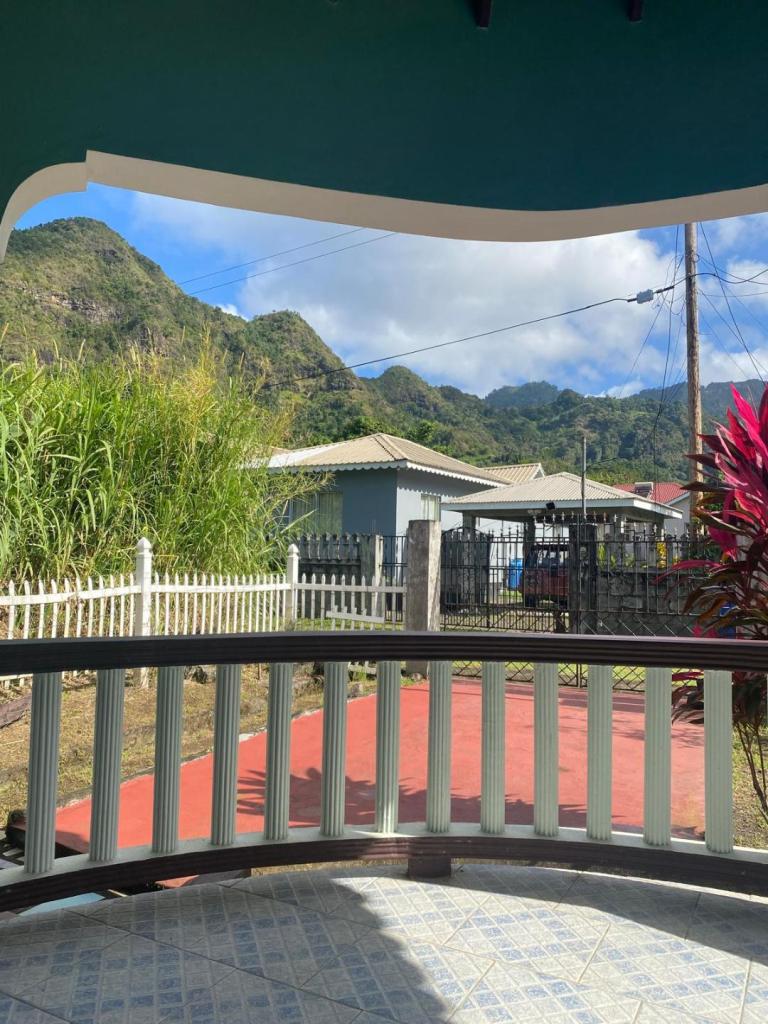
As I opened my windows, I could see my neighbor’s dogs waiting dutifully on my front porch, wagging their tails, eagerly awaiting their morning treats. Since I arrived in the village, this family of dogs befriended me – mother dog Little Bit, father dog Brownie, and their two lookalike pups. I start my day feeding them treats on my front porch and end it by saying goodnight to them as they take up post at my front door at night. Their staunch defense of me was admirable – causing me to reflect on the converse of man’s ingratitude versus the loyalty of man’s best friend. The two pups each looked like their parents, causing me to name them Little Bit 2 and Brownie 2. Playing catch with them as I feed them treats was the highlight of my day as they moved closer for my generous belly rubs. Sitting on my porch admiring the lush mountains surrounding the village was calming as I observed the sounds of nature – the butterflies buzzing around the flowers, the hummingbirds drinking nectar from the colorful flowers, the sound of birds perched on my window sills, and the sound of the gentle stream gliding slowly towards the ocean.
With my energy charged and my fill of nature’s tranquility, I was ready to write, stopping only to aid my circulation or grab a snack. Writing came easy on some days, but difficult on others. I constantly reminded myself to give myself grace and know that the dry spells would pass. As I got closer to the end of my book, I started reflecting on the book’s name, engaging in reflection on the story and trying to see what pops at me. Writing each title, I would resort to intermixing pieces of various titles. When no title seemed to fit, I reflected on the essence of the story for guidance. If nothing fits, I sounded each title out while envisioning the morale of the story. Eventually, a title would fit as snugly as a glove.
Next, I must create a subtitle that clues us into the spirit of the story without giving away the narrative. For example, my third novel was titled “Tears of Exile” with the subtitle “A story of Suffering, Resilience, and Survival.” This process required me to delve deeply into the themes and underlying messages of my novel, ensuring that every word resonates with the journey I’ve crafted. Each title reflects a crucial element of the tale, urging me to encapsulate the essence of my characters and their experiences in just a few compelling phrases. The complexity of this task is partially why I’ve come to cherish this part of the writing journey; it allows me to reexamine the story I’ve meticulously woven together.
Once the subtitle is created and the epilogue is written, the book will go through a rigorous round of proofreading and formatting before heading to the printer. This stage feels monumental; it’s not just an end but also a new beginning. The anticipation of sharing my work with the world fills me with excitement and dedication. The thought of launching this book, engaging with readers, and receiving their insights and reactions brings an electric energy to my creative process. I am elated to be at this stage in the writing of this novel and look forward to launching it with you. My time in the Caribbean has not just inspired my creativity, but reinvigorated my spirit and reminded me of the beauty of blending reflection with productivity.
As I plow through the first draft of my current novel, my overactive imagination is in overdrive, fueling a creative storm that refuses to settle. In my genre of writing (historical fiction), intricate plots are meticulously woven, tension-filled suspense is built, and multifaceted characters come vibrantly to life. From the beginning, I take special care to map my story, engaging deeply in character development – What is the essence of the story I’m telling, who are these characters that populate my narrative, and why do they exist within the rich tapestry of my fictional world? As I mentioned in an earlier article, it is crucial to always have a clear vision of how your story will conclude, allowing the plot to naturally unfold while worrying least about the title of your book. Sometimes, during this creative journey, you may realize there is a potential conflict in the ending of your story; it becomes essential to unravel and clarify that before you proceed further. Once you have a solid understanding of what your narrative is about and how it is destined to end, it’s time to create your characters, keeping in mind that their names might evolve as the story progresses, reflecting their journey. The main characters are pivotal, yet without the careful weaving in of minor characters, the story could fall flat and lack the richness it deserves. Backstories are developed and evolve over time to provide depth and substance to the overarching tale, and often to offer contrasts that highlight the characters’ personalities and depth. This is precisely where my skill of descriptive writing comes into play, allowing me to immerse readers fully in the world I am crafting. There are many ways to articulate a scene in a book, each with its own unique impact – a plain, straightforward description may serve its purpose, but a richly descriptive approach draws the reader in and engages their senses. See two versions of the same story below.
(1) Hawk stood before the mirror, splashing his face and neck with cologne. He had prepared his outfit: black pants with a turtleneck and a gray dinner jacket. He was happy to be…
(2) Splashing his face and neck generously with cologne, Hawk examined himself in the long mirror placed strategically against the wall. Turning to the side, he ensured his hair was brushed immaculately. He had taken great pains to pick and prepare his outfit, ensuring he looked fashionable. His black pants and turtleneck, paired with a grey dinner jacket, fit perfectly on his muscular body. A large gold chain dangled alluringly against his black sweater. Waves of excitement washed over him as he contemplated his…
In example one, Hawk is getting dressed and is obviously preparing to go somewhere. In example two, we are pulled in by the generous amount of cologne he splashes on himself, the fragrance no doubt filling the air, creating a sensory experience that speaks to his desire to make an unforgettable impression. His careful examination of his profile in the mirror, making sure his hair looks good, adds an extra layer of texture to the story, reflecting his self-consciousness and attention to detail. the description emphasizes his desire to stand out. We know he took great pains to ensure he picked out a great outfit, each choice meticulously thought out, from the color of his shirt to the style of his jacket, and we are even given details about his accessories, such as the gold jewelry that accentuates his outfit. Additionally, we get a little glimpse into his emotions; he is obviously going out on the town, perhaps on a date, and the excitement mingles with a hint of anxiety, suggesting that this could be a pivotal moment in his life. Example one is plain and lacks details or descriptive writing, while example two is rich with imagery and emotion, pulling us into the story and invoking the complex feelings of the character.
Essentially, there is a plain way to say something and a descriptive way to say the same thing; descriptive writing not only creates a mood but also gives a vivid and clear picture of the character’s surroundings and inner thoughts. It allows you to truly feel their emotions, whether it be joy, anxiety, or hope, making you root for or against them. It often sets the tone for whether you want to finish a book or put it aside to be visited another day, as well-crafted descriptions create a bond between the reader and the story. It is the essential ingredient that determines how we feel about a character or a storyline, influencing our engagement and investment in their journey.
I am uncertain if this is normal or something I should overcome, but I often find myself yearning to seek out remnants of my past – the places I lived, the locations I used to visit, and the activities I once engaged in that shaped my identity. At times, it’s mere curiosity; at others, I want to bask in the joy of reliving the snippets of our culture that still exist, those moments that evoke feelings of nostalgia and warmth. As I drive along the Leeward (Western) side of my beautiful homeland, lush with nature’s green foliage and warm breezes that gently caress my skin, I often gaze at the houses we lived in that still stand strong or the sites I frequently visited during my childhood. For some houses, I wonder – does that house still stand resilient against the elements, or is a stone or rock all that’s left, a mere ghost of memories past? I often ponder what happened to certain individuals or families – where are they now? Some may experience only a fleeting thought or moment of nostalgia, but for me, this longing runs deeper; I crave details, the stories intertwined with each place and person. I frequently reach out to my sister Lexie to inquire about those days gone by, as, despite being ten years my junior, she reliably fills in many pieces of the puzzle about my distant past, providing insights and snippets of conversation that breathe life into the memories I hold dear and help me to reconnect with those fragments of my history.
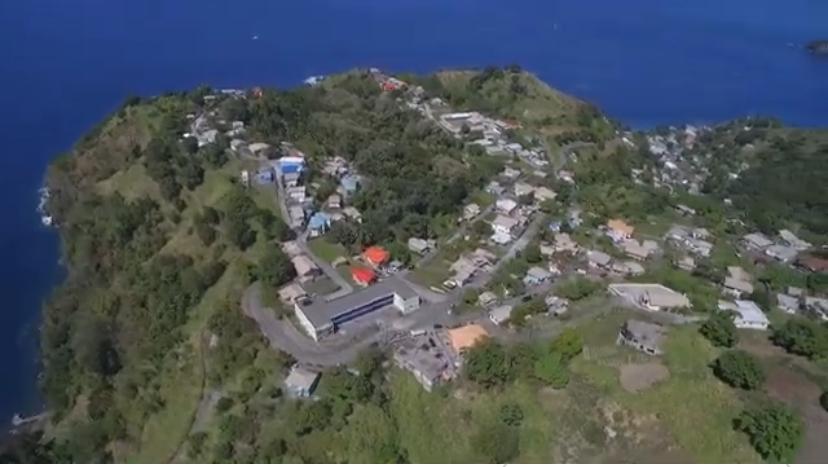
Our father worked for the government, leading our family to several locations on the island. But my life began in the hilly village of Troumaca; my roots lie on G-Piece Hill, quite literally a hill on top of a hill. Fortunately, our family still owns that land today, allowing me to visit and stand on the ground my great-grandmother once walked upon. Although I never met her, the imagery relayed to me by my mother and grandmother paints a vivid picture of this ambitious and beautiful woman. A farmer who cultivated the land and raised cattle, pigs, and donkeys, Jucilla James (Nenen, as she is affectionately known to us) was undeniably a formidable woman. Humble in her ways, she was famous for having numerous godchildren, many of whom she raised, nurturing them with love and wisdom. She asked for little, only a plea to my grandmother to pay her land taxes and ensure our family never lost the land, a remarkable testament to her enduring spirit. My grandmother echoed this sentiment to her children, embedding that mentality within our family and enabling generations to maintain ownership of the land that connects us to our Nenen.
I still remember my early days in G-Piece with my cousins, sliding down the hill on a coconut branch, pretending we were sailing on a ship, the warmth of the sun on our backs and the laughter ringing in the air. In my mind’s eye, I still see the boys playing cricket on the portion of the hill they excavated to create a cricket field, their shouts of excitement mingling with the sounds of nature. I fondly recall the coconut tree named Stanley Coconut Tree, a monument to my Uncle Stanley, who passed away as a toddler. Erroneously, I believed he was buried under that tree until my mother explained it was his navel string or umbilical cord laid to rest beneath it, an old custom that tied us to the land in a deeply personal way. Back in those days, it was customary to bury the umbilical cords of babies and plant some sort of tree upon it, a practice that served as a comforting reminder of our connections to both family and earth. The landscape of G-Piece was filled with various trees – Jamaican plums, golden apples, coconuts, mangos, and cocoa trees, each holding its own special story and memory. I vividly remember the scent of jumbie Barsum, a wild mint that flourished throughout G-Piece, the way its aroma would mix with the earthy smells that arose after a rain shower.
My grandmother, “Ma St. Hill,” owned a modest home inherited from her mother Nenen, where I was born, a sanctuary filled with warmth and love. That house brimmed with laughter and joy in my childhood; I can still hear the giggles as Ma St. Hill would share jumbie (ghost) stories while we huddled on her lap in her morris/rocking chair, her gentle voice weaving tales that danced between reality and folklore. She would rock us gently as she sang songs, like “Peter was a fisherman,” always ending with her traditional “Aaah ha, Aaah ha,” a sound that brought a smile to our faces and comfort to our hearts. The highlight of our evenings often involved listening to Radio Antilles on the large transistor radio perched prominently atop a shelf in the small living room, filling our minds with the rhythms of the time and the stirring voices that sang through the airwaves. I can still envision my grandmother tucking what seemed like an army of grandchildren into her expansive four-poster bed at night, the laughter fading into delighted whispers as we settled down. The bed strangely felt larger than the small house it occupied; it was a sanctuary of warmth and love, where dreams intertwined with the stories of our ancestors. I am unsure how that bed accommodated so many of us, but we all yearned to sleep next to our beloved Ma St. Hill, drawn together not just by blood but by the stories that wrapped around us like a cozy blanket.
A large water tank stood conspicuously at the side of the small house, a remnant of days gone by when it provided water for the family and neighbors, a lifeline in the heart of our land. My mother eventually installed water pipes on the property, transforming the water tank into a makeshift pool for us to swim in. We would splash around until we were waterlogged, only to be called inside by our grandmother for supper, her voice echoing like a bell, summoning us to the table filled with hearty food. Even today, I remain in awe whenever I stand on that land, envisioning my Ma St. Hill singing hymns slightly out of tune with her aging voice, yet full of love that transcended any musical notes. There was no television or phone; we lived in a world where our imaginations entertained us, and teachers, books, and life experiences educated us, nourishing our minds as much as food nourishes our bodies.
Ma St. Hill had a knack for creating something delicious from whatever the land produced. I remember the wild coffee she ground, the fragrant aroma wafting through the air, blending with the scents of home. The tapioca and madumgo dumplings she baked in her iron pot were a treat, warm and satisfying, and the sweet taste and aroma of her delectable coconut cakes still linger in my memory, a testament to her culinary magic. I still have vivid memories of my mother JC ascending the hill after a day spent processing cassava bread and ferine in the village, laying down her basket filled with ferine and cassava bam bam, a labor of love that brought us all together. Mixing the ferine with sugar, we would indulge in these treats until our little stomachs ached, laughter filling the air as we savored each bite. The next day, we would awaken to the scent of turpentine mangoes, golden apples, and plums, the fruits ripened by the sun offering a taste of heaven. I often ponder where my Nenen acquired that plant; it is not commonly found in St. Vincent, yet arguably one of the most delicious mangoes. As we indulged in the delightful fruit, I can still hear Ma St. Hill’s warning, “Don’t let the stem touch yuh mouth; it will bun yuh mouth,” a voice forever etched in my heart.
Like many families, our lives improved economically, leading us to relocate with our parents to other areas. However, G-Piece always remained in my heart, fostering an unquenchable longing within me, a tether to my roots that I couldn’t shake. Whenever I could, a visit to Ma St. Hill and G-Piece was pure delight, a pilgrimage of sorts that filled my spirit with joy and tranquility. Like moths drawn to a flame, I often gathered with my siblings and cousins there on weekends and school vacations, the laughter echoing through the hills as we played and created memories. Life in G-Piece was simple, playful, and filled with sheer joy, where every corner held a new adventure just waiting to be discovered. On Sundays, my grandmother led us down the hill to the Methodist church where most of us were baptized, the path well-trodden by our eager little feet. At the foot of the hill, we girls would spin in the powerful wind gusts that always swept through that area, reveling in the sound of our dresses’ stiff fabric against the rushing breeze, our laughter mingling with the wind.
Upon entering the church, Ma St. Hill would march her battalion of grandchildren proudly into the two pews she claimed, well aware that other parishioners knew better than to sit there, a testament to the respect she commanded. The village of Troumaca is fortunate to still be adorned with the church that holds countless memories from my childhood. Situated on a hill overlooking the Caribbean Sea, the songs of praise still resonate from my baptismal church on Sunday mornings, filling the air with hope and community. My relatives continue to attend services there, upholding the legacy of our great-grandmother, which soothes my nostalgic soul and links our past to the present.
My immediate family initially moved to the village of Campden Park, where my father worked for the government. I often wonder about the three houses we rented while there, pondering how many of them still stand today. I particularly remember Mother Edwards’ house, perched atop the rocky “Eddy Hill,” a place filled with laughter and stories that lingered like whispers in the wind. I also remember the fear I experienced whenever I passed my old neighbor’s house, who was reported to be a witch, no doubt a legend of the village. I remember running nonstop up the steep hill whenever I went past her house, believing the tale of black magic.
The house on Eddy Hill still stands out as one of my favorites. The expansive parlor welcomed visitors into the front of the large wooden house, with the “jump-up-and-kiss-me” flower thriving among the rocky hilltop, its vibrant blooms imbuing life into our memories. I can still recall using them as makeshift lipstick, giggling with my sisters and cousins, our imaginations turning simple moments into treasured memories. I also remember the gentle old lady who owned the house and lived with us for a month while awaiting a move in with her daughter; she was truly a kind soul, her smile radiating warmth. I felt sad to see her depart, knowing that her presence would linger long after she left.
Among the rocks of Eddy Hill stood my favorite snack: a large Bequia plum tree, its fruit a sugary treat that never failed to please. I would sneak up its branches to gather plums, defying my parents’ warnings about falling into the deep valley below, the thrill of mischief chasing me up the trunk. I can still hear my father’s footsteps at dawn, carrying water up the steep hill during the dry season to refill the tank we used for bathing, cooking, and drinking, a routine that showcased his dedication and hard work for our family. A promotion for my father led us to move to the town of Barrouallie, where our family home remains today. But I distinctly remember the two houses we initially lived in at Wallilabou, a picturesque outskirts of Barrouallie, each house holding echoes of laughter and warmth. I lived there with my family until I moved to the United States, a transition that came with bittersweet memories. Occasionally, I still visit one of these houses, now housing a government office, a reminder of the past wrapped in the fabric of change, but the other is so overgrown with weeds it’s impossible to see through the wild shrubbery, a stark symbol of time’s passage.
Regardless of where I live, Troumaca is ever-present in my thoughts, a ghostly reminder of the beauty and simplicity of life that once was. While the landscape may have changed somewhat, the stories and memories of our beloved Nenen and Ma St. Hill linger over that land, intertwining with my own journey, a rich tapestry that shapes my very being. If I could pen a letter to my great-grandmother Nenen, my grandmother Ma St. Hill, and my mother JC, I would express my gratitude for the stories they shared that ignited my curiosity and left me with such rich oral histories, each tale a thread in the fabric of our existence. I can only hope to honor them by passing on their legacy to future generations, ensuring that the essence of their stories continues to thrive and inspire. As my journey becomes intertwined with modern complexities, I aspire never to lose that sense of wonder and to hold onto the essence of what fuels my eccentric soul, embracing the past while navigating the intricate tapestry of life that unfolds before me.
In April 2024, I arrived on the sunny shores of St. Vincent and the Grenadines with a sad heart, burdened by the weight of loss. I was here for the final farewell to my beloved mother, who passed away at the age of 87, leaving a void that would be felt deeply by our entire family. Being one of a family of 14 children, we had to be creative in finding lodging to accommodate all the children, grandchildren, and great-grandchildren, as well as spouses, which required intricate planning and coordination. My brother Augustine and his family stayed with me, and together we shared unique stories and memories of my mother, and as we gathered, we found comfort in sharing those cherished moments. I visited my hometown Barrouallie (affectionately known as Bagga), trying to capture some of the familiarity from my childhood, where the warm sun and gentle breeze carried echoes of laughter and love. It was a somber time for our family, yet we were committed to finding solace in the midst of our grief in some form or another, whether through reminiscing, sharing meals, or simply sitting together in silent reflection. Being outside of the capital city, Kingstown, there are not many restaurants or bars to go to; the local spots hold their own charm but are limited. One night, my nephew called. “Auntie,” he said with excitement, “there is a nice restaurant in Bagga called RHE’s. Let me take you there.” We packed my family in the van, ensuring everyone was settled, and off we went, the anticipation of enjoying a meal together providing a small reprieve from the sadness that surrounded us. The laughter and chatter in the van served as a reminder that even in sorrow, family bonds could bring joy and a sense of togetherness.
Located on the western side of the island, Bagga and its surrounding areas possess volcanic black sand instead of the customary white sand, providing a unique and striking landscape that captivates visitors. It is not unusual to see natives using the black sand as a skin exfoliant, appreciating its natural properties and crafting traditional beauty rituals that have been passed down through generations. RHE’s is in an enviable spot that allows guests to walk directly onto the pristine shores of Morgan’s Bay, where the gentle waves lap against the black sand, creating a tranquil atmosphere perfect for relaxation. The restaurant can be entered from either Morgan’s Bay or a narrow path from the main road, offering convenient access for both beachgoers and those exploring the area. Whichever way you enter, RHE’s friendly staff is there to make you feel at home, greeting you with warm smiles and a welcoming attitude. The manager observes the operation intently, ensuring every guest is well cared for, proactively addressing any needs that may arise. The staff goes above and beyond to create that feel of home away from home by getting to know you and remembering your preferences, adding a personal touch to your dining experience. This dedication to service and the stunning natural surroundings make RHE’s a cherished destination for locals and tourists alike.
To my pleasant surprise, RHE Beach House Restaurant and Bar was a true delight that far exceeded my expectations. The food was not only delicious, but it was also artistically presented, making each dish a feast for the eyes as well as the palate. The ambience, with its soft lighting and tasteful decor, was mesmerizing, creating a welcoming atmosphere where I felt completely at ease, and the service was divine, with attentive staff who went above and beyond to ensure a wonderful dining experience. The indoor dining area is great, but you also have the delightful option of outdoor dining where you can savor your meal while facing the gentle breeze of the pristine black sand beach of Morgan’s Bay, listening to the soothing sound of the Caribbean sea lapping against the shore. RHE captures the true essence of St. Vincent, specifically Bagga, a famous fishing town known for its vibrant seafood culture. Bagga is particularly famous for its delectable blackfish, and RHE delivered blackfish in various enticing forms—blackfish plantain cup, blackfish cakes, and an array of beautiful flavors that showcase the culinary heritage of St. Vincent. Each dish was a reflection of the local culture, crafted with fresh ingredients sourced from nearby waters and land. Additionally, upstairs houses a three-bedroom guest house, providing guests with access to shelter and food, as well as a luxurious experience that includes lounging on the beautiful black sand beach, making it the perfect destination for anyone looking to unwind and indulge in the natural beauty of the island.
When I visit St. Vincent and the Grenadines, RHE’s is an absolute must on my list of places to eat. There are many reasons why I hold this restaurant in such high regard: its unwavering diligence in highlighting our local natural foods, the innovative way it brings together a variety of our distinct flavors to create a unique culinary experience, along with its quaint and charming location that adds to the overall ambiance. Additionally, the staff consistently showers patrons with attentive and winning service, ensuring that every visit feels special and memorable. The combination of these elements creates a dining experience that is both enjoyable and enriching. In short, RHE’s has a genuine Caribbean flair that shines brightly through every dish and interaction. Its unique brand of authenticity is simply second to none, making it a culinary gem that I highly recommend to anyone visiting the island.
As my memory sheds events to make room for the mountain of occurrences over my many years on this earth, few events remain a permanent memory in my mind – the birth of my children, the death of my parents, and the eruption of La Soufrière in 1979. La Soufrière is an active volcano on the island of St. Vincent. At 4,052 feet, the majestic peak hovers above the northern flank of the island like a giant claiming his turf. Growing up, I always heard stories of the volcano, whispered in tones of reverence and fear, and even had the temerity to climb it once, wanting to mesh the reality with the legend. The enormous crater in the middle of the mountain is truly one of the wonders of the world, a natural marvel that evokes both awe and trepidation.
I remember hearing that my paternal grandmother was a baby during the eruption in 1902 when her family had to flee their farm located under the volcano. The family was permanently relocated to the village of Troumaca, and this event resonated through generations, no doubt planting seeds of resilience and adaptability in my family. Years later, my great-aunts would take my father and his siblings back to the area to show them where their ancestral farm once stood, offering them a glimpse of a past both cherished and lost. This was no doubt a traumatic yet nostalgic reminder to them of a time lost, a nuanced tapestry of emotions interwoven with love and sorrow that shaped our family’s narrative. In my first novel, ‘Beneath The Golden Mango Tree,’ Felicia, the protagonist, shares some similarities with me when she recounts getting a visa to come to America during the 1979 eruption of La Soufrière. She, like me, believed that she might have gotten a visa because of La Soufrière, reflecting a shared experience that transcends mere narrative into something more profound. The island of St. Vincent was in disarray after that eruption – people displaced, school closures rampant so schools could be converted to shelters. The look and smell of ashes everywhere permeated our lives with a grim reminder of nature’s unpredictability; noses were covered to minimize inhalation of the ashes.
I remember that day vividly. It was Good Friday, April 13th, 1979. My family of 16 (my parents and 14 kids) lived in rural Wallilabou on the outskirts of Barrouallie, a setting that fostered strong familial bonds as we navigated life’s twists and turns. As is customary, my mother, my older sister, and I arose early to start the Good Friday tradition of baking hot cross buns for our family, an act filled with love and anticipation of gathering. Our father was the district agriculture officer at the propagation station, a role that kept him deeply connected to the land, and our mother ran a small shop and bakery from our home, which often served as a place for people working on the estate to get groceries and bakery items, creating a community space that welcomed everyone. Very early that morning, we heard the screams and shouts of people running past our gate, clinging to what little humble possessions they were able to grab, their faces etched with panic and fear that was palpable in the air. My mother ran to the gate. “What’s wrong?” she asked of the crowd as they ran along the narrow street, her maternal instincts kicking in. “E Soufrière ah blow,” one woman screamed. The news rippled through our home like wildfire, igniting a sense of urgency in our home. My mother yelled to me and my sister, “Make more cross buns and send me what you have,” she pleaded, her voice a mix of calm and determination in the face of chaos. I rushed a large container of hot cross buns to her as I dove back inside to help my sister start another batch, our family workforce rallying together in a time of crisis. One of my younger siblings joined our mother as she handed each fleeing person a cross bun, a small act of kindness that became a symbol of hope amid despair. Before long, my cousin Wesie from nearby Spring Village came by on a donkey, a sight that brought a wave of relief as family connections strengthened during tumultuous times. He held the smaller children on the donkey while the other family members walked briskly on foot, a makeshift caravan of love and support. “Where you all going?” asked Mother, her concern evident. “Cuz, wherever we could get a place to stay,” he responded, fear palpable in his tone. Being the big-hearted person she was, Mother invited the entire family to stay with us, instinctively knowing the importance of togetherness in times of upheaval. Luckily, we had an additional house in our yard that could accommodate them, a blessing in the form of space amidst chaos. Before long, my maternal grandmother and cousins arrived, and so did relatives from my paternal side, creating a rich tapestry of family intertwining as we braved the storm together.
With an already big family of 16, our house was crammed, but my mother never complained; instead, she adjusted to the circumstances, orchestrating chaos with grace and love. I remember her going into Kingstown to buy a couple of huge pots that were more like drums, representing our resolve to nourish and care for everyone around us. Cooking on a stove or even a coal pot was not an option with pots that size, and necessity became the mother of adaptability. My father erected several fireplaces comprising three large stones, ingenuity overriding inconvenience. My brothers plied them with wood gathered in the fields and meadows around Wallilabou, tinkering and collaborating in the midst of crisis. Callaloo and pea soups were regular meals, hearty and warm, symbolizing the unity that flourished even in adversity. Together, we huddled and cooked, ate, slept, and shared stories, reconnecting with the past and catching up on our current lives, weaving narratives that echoed the resilience of our ancestors. Echoes of La Soufrière’s fury surrounded us daily, as the volcano spat ashes around the island, shooting flames into the sky, its ominous presence becoming a part of our daily conversation. Its roar was heard deep into the center of the island, a haunting reminder of nature’s power and unpredictability. Since most Caribbean homes are built with ventilation, my father had to cover the ventilation spaces to keep the ashes out, a protective measure that underscored his dedication to his family’s safety. As luck would have it, we were the last family on that side of the island allowed to stay in our home; the decision felt like a breath of relief. The police stood by our gates each day to ensure no one went north without a good reason, an unyielding sentinel amidst chaos. Farmers were allowed to go to their farms to tend to animals and crops, a small semblance of normalcy in our disrupted lives. My mother was always there supplying the officers with food as they stood at their post, ensuring that humanity could shine through even in the hardest of times. One day, my grandmother needed something from her house up north in Troumaca, so my brother Bert, my cousin Steve, and I decided to trick the officers, knowing there was no malice in our hearts but a deep desire to assist our family and see up close what La Soufrière looked like. We knew they would let us go to check on our farm and animals, so we pretended we were going to the farm. After being hoisted onto a donkey we set out with my brother and cousin on foot, a young trio fueled by purpose and curiosity. All went well until we got to Troumaca, where the rumbles shook us to our core. The volcano started to roar, spitting fire and ashes furiously, its wrath palpable to our senses. I had seen remnants of its fury from a distance but not in full effect, and the sight was both terrifying and awe-inspiring. My brother and cousin ran to my grandmother’s house, grabbing what items she wanted, frantically yet determined. My brother helped me onto the donkey, urging it forward as we made our way back home, the urgency of the moment weighing on us heavily, but we were determined to help our grandmother. The days, weeks, and months that followed saw Barrouallie develop into what looked like a refugee town, with the displaced North Leeward (Western) residents trying to ride out the fury of La Soufrière and the residents exhibiting such humanity in accommodating as many as they could, embodying a spirit of solidarity while others stayed at the camps, creating a microcosm of resilience in the face of tragedy. The same scene played out on the North Windward (Eastern) side of the island, but I was not intimately a part of that side of events, as my perspective was rooted in the adventures and stories shared by those around me. I left for the US later that year, the air thick with memories of heartache and love intertwined. Most of the relatives had returned home, and camps were closed as life sought to regain its shape; but many people never made it back to the North, many lamenting that they could never live so close to the volcano again, their hearts forever marked by that experience. Every Good Friday, I remember that day in 1979 when the fury of La Soufrière caused such fear and destruction in its wake but rendered such emotions in human charity and delivered unexpected rewards. The crops that year were bountiful because of the fertilizing effects of the volcanic ash, a bittersweet irony that marked the year in vivid contrast with the chaos we endured, and Vincentians like me likely had an easier chance of getting visas due to the upheaval caused by the volcano. As far as I know, there were no deaths from that eruption, but residents in 1902 were not so lucky. Some 1,600 souls were lost, a ghostly reminder that nature could be capricious and unyielding. Even more devastating for the region was that hours after La Soufriere’s eruption, Mount Pelée in Martinique erupted, echoing an even worse tragedy than we faced. One of the few people who survived in that island’s capital of Saint-Pierre was a prisoner in an underground jail cell, a twist of fate that would later see him become somewhat of a celebrity due to his perplexing survival story. I remember an earlier eruption in 1971. The indigenous people on the northeastern side of the island were displaced, and their stories continue to linger like a haunting echo in my memory. I recall a local calypsonian singing:
“Caribs running wild
and if you hear them
the Soufrière ah boil
Mr. Premier, carry we a town
before the sulfur come down.”
This was doubtlessly seen as jovial social commentary, the singer no doubt unaware of the trauma involved in the minds of the people passed down from oral histories, a dissonance that resonates deeply within the fabric of their culture. Among the dead in 1902 were many indigenous people whose lungs were scorched, victims of a violent reminder that they were not likely to stay in the path of an erupting volcano. Having seen the 1979 eruption firsthand, I was more aware of the dangers and hence more empathetic to those within its path, the empathy rooted in my lived experience. In 2021, there was another eruption around the Easter holiday, a reminder that nature’s unpredictability knows no bounds. My daughter ran into my room, “Ma, St. Vincent is on the news. The volcano is erupting,” her voice laced with urgency and concern. I remember holding my head in my hands in shock, the weight of memories flooding back. It was like watching the eruption of 1979 again, every emotion crystallizing in me anew. But I wasn’t there to help; I could just watch, helpless as the unfolding drama echoed the past. “We have to do something,” she shouted, her heart ablaze with the desire to assist.
So we came together and did what little we could to help those displaced, collaborating to extend a lifeline to those in need. With the help of Standard Shippers and many Vincentians and Belizeans, we were able to put together a shipment of products. I must commend my daughter, who did most of the shopping, embodying the compassion and energy of our lineage, and my son, who did the pickups to pack the crates, a lesson in teamwork and shared responsibility. The Medical Relief Association on the ground in St. Vincent did the heavy lifting of distributing the items, ensuring that our collective efforts met the needs of those affected. I often wonder what made my children so eager to help. Perhaps my tales of the horrific eruption of 1979 evoked some humanity in them, a connection to their roots that awakened a fire within. I am not sure, but when they saw the eruptions on the news, this was their ancestral home, and these were their people. It was time to act, and they rose to the occasion, reminding me that the heart of our community beats strong through the generations. And so today during this Easter weekend, I reminisce about the fury of nature and the ways in which it brings out the best in us as a nation. Some may see it as PTSD, but I see it as a time of reflection, a poignant reminder of our collective strength, resilience, and the profound bonds we share in the face of adversity.
In an earlier article, I mentioned having an emotional day while writing my fourth and current novel. Experiencing an emotional moment during the writing phase is not unusual or troubling. As the saying goes, 10 percent of life is what happens to you; 90 percent is how you handle what happens. During the writing of my third novel, Tears of Exile, I remember having a similar sad episode, particularly while writing the scenes of the Garifuna internment on Balliceaux. I conducted some research and listened to oral histories from the descendants of our exiled brothers and sisters, which provided the material needed to construct the world and period my characters inhabited. Once I mapped out the historical information—the landscape of the island, the customs of the Garifuna people, events that occurred during that time, and the languages spoken—I began to formulate my characters. Lemerie Lavia and Manuel Baptiste came to life against this historical backdrop. In my mind, Lemerie was the taller of the two, while Manuel was stockier. You may envision them differently, but this is my vision of them. Somewhere in Yurumein (modern-day St. Vincent and the Grenadines), there were friends like these two. It was with these facts that the town of Masarica (currently the village of Greiggs) came to life. The concept of the town square was fashioned after the park in the middle of my hometown of Barrouallie, the community space where we watched cricket and soccer, and where churches held crusades during my childhood. It served as the main hub for community engagement, a melting pot of cultures and interactions that shaped my childhood experiences. Barrouallie, one of the oldest towns in St. Vincent, still has French and Garifuna influences sprinkled around, giving it a unique character. I wanted to capture a piece of it in my novel. There are relics from when the Garifuna people ruled St. Vincent, remnants of their rich heritage woven into the fabric of everyday life in Barrouallie. My parental home stands on the grounds of one of the oldest clinics. Before that building was torn down, I visited my uncle, who had converted it into a residence, allowing me to witness firsthand the history embedded in the property. A huge porch extended across the front of the house where patients would line up for treatment, accompanied, no doubt, by the sounds of their conversations and the solemnity of their needs. The stones from that porch were used to construct my parents’ house, and the incinerator for burning medical waste still remains in the backyard, its presence a stark reminder of the lives once intertwined there. One can only imagine how many wounded soldiers were treated there during the Carib wars, each story adding depth and texture to the historical narrative I sought to explore. The old police barracks in Barrouallie, one of the oldest in the region, is sadly neglected, serving as a monument to stories untold and memories faded. Using these historical nuggets, my imagination set to work, creating characters and a lifestyle reminiscent of the period. Lemerie and Manuel sprang to life on the pages, along with many others, their aspirations and growth echoing the struggles of their time. Their agonizing journey and those of the Garifuna people portray a heroic narrative of a community determined to survive, illustrating a relentless spirit that defiantly rose against the tides of adversity. It is truly a tale of suffering, resilience, and survival. Thus, the characters needed to progress and grow; their lives were not solely defined by the tragedies that befell their people. They had families, friends, and activities that structured their daily lives, grounding them in a reality rich with the complexities of human emotions. Tears of Exile illustrates not only the innocence and joy of these characters but also captures the inhumane nature of humanity and imparts a lesson in survival, weaving together their personal victories and losses into a tapestry that resonates with readers. As in real life, some events in their lives were good while others were heartbreakingly sad, creating a balanced portrayal that reflects the duality of existence. In my exploration of the Garifuna internment on the island of Balliceaux, I researched the Lindley family, who owned the island at that time—what purpose the island served and who, besides the Garifuna people, were present there. Through research, I pieced together the poignant histories of those who suffered. Why did so many perish before the remaining 2,500 were exiled? I don’t want to give away the story, but there were heart-wrenching moments that washed over me in waves of sadness, each one a reminder of the fragility of life and the indelible marks left by history. This happened again a few weeks ago when rereading Tears Of Exile to convert it into electronic format. The scenes on Balliceaux transported me back to pages 265 to 276 of my second book, ‘Beyond The Mango’s Shade‘. A fictional scene became reality, blurring the lines between my creation and a development that took place fifteen years after writing the book. I am by no means psychic, but when you write a story in a convincingly authentic manner, strange things can happen. Life can indeed imitate fiction, albeit coincidentally, prompting reflections on the interconnectedness of our experiences. In Tears of Exile, I recall the sorrowful journey of the characters and lamented that many individuals like them undoubtedly experienced similar pain, their stories echoing through time and space. In that sense, the pain was real, a palpable connection to the past that demands recognition and respect. I pondered how many of those who suffered there were related to those left behind, creating a complex web of emotions and memories that extend beyond the confines of time. How many families were torn apart, and will their descendants ever be reunited? What was life like after their exile, and how did it affect the vibrant Vincentian culture, forever altered by those tumultuous events? Understanding the past is essential, as it enlightens us about why we are the way we are, guiding us as we navigate the present and future. However, the beautiful aspect of historical fiction is that you can create the ending you desire, crafting narratives that inspire hope and resilience amidst despair. You are not confined by the constraints of history or limited by historical gaps. You can craft the conclusion you wish for, and who knows if life will imitate fiction? With each stroke of the pen, we have the power to shape destinies and imagine brighter tomorrows.
Embracing the Emotional Depth of Historical Fiction
As a historic fiction writer, it is challenging to build a story that invokes curiosity from your readers. Authenticity is key to writing a convincing tale, as readers are often drawn to narratives that resonate with real historical contexts and human experiences. To create a narrative with an authentic feel, it is essential to delve into the emotions of your story while equally drawing your readers into those feelings. By painting vivid scenes that transport your audience to a different era, you can immerse them in the sights, sounds, and sentiments that define your world. Telling a story alone is not enough to engage your readers; it is crucial to keep them wondering about the what, when, and where of your characters. What is happening? How are they feeling? To keep readers intrigued, tantalize them with the journey of the characters, injecting just enough mystery to leave them questioning what’s next. This tension encourages a deeper connection, compelling your audience to turn the pages as they yearn to uncover the truth behind the characters’ actions, motivations, and the historical events that shape their lives. Ultimately, it is the blend of rich detail, emotional depth, and suspenseful storytelling that creates a memorable experience for the reader.
Readers might grow to like your characters, hate them, or become curious about them, but the goal is to avoid indifference. You don’t want your audience feeling lost or confused as they navigate through the storyline, as this can lead to disengagement from the plot altogether. It’s acceptable for them to be curious and wonder about the characters’ motivations and backgrounds, but not to feel adrift in a sea of ambiguity. As a writer, you must dive into the heart and soul of each character in a way that maintains your readers’ attention and fosters a connection to their journeys. This connection is key; you want them asking questions and remaining engaged enough to seek the answers. By weaving in rich backstories and nuanced personality traits, you can create multifaceted characters who evoke strong emotions, ensuring that readers not only invest in their fates but also reflect on their own experiences and feelings as they relate to the unfolding narrative.
What are they doing?
Why are they doing it?
What are they feeling?
What will happen next?
As the author, you must have a clear vision of where the story is heading; however, your readers should be left to wonder about the twists and turns that lie ahead, igniting their imagination and creating an engaging experience that captivates their minds and emotions. This delicate balance between the author’s intent and the reader’s interpretation is vital for crafting a narrative that resonates deeply, encouraging them to explore possibilities and anticipate outcomes that may not align with their expectations, all while allowing the story to unfold in unexpected ways. By maintaining a subtle air of mystery, you allow your audience to become active participants in the unfolding tale, enhancing their connection to the characters and the world you’ve meticulously built, fostering an environment where they feel compelled to think critically and dream vividly about what could happen next. As they venture further into the narrative, their investment in the plot deepens, making every revelation and twist feel personal, as if the story is uniquely theirs to discover.
Yesterday, I sat in my sunroom working on my fourth novel, surrounded by the gentle warmth of sunlight filtering through the glass. As I peeled back the layers of my characters and wove my intricate story, I found myself deeply embroiled in a particular storyline that tugged at my heartstrings. After typing 25 pages, a wave of sadness washed over me; I realized that I had become so entrenched in my characters’ experiences that I felt overwhelmed by their struggles and triumphs. Each line I wrote seemed to pull me deeper into their world, making it increasingly difficult to separate their pain from my own reality. I reminded myself that my characters were fictional, mere figments of my imagination, and took a break, inhaling deeply, trying to ground myself. I stepped away from the keyboard and grabbed a bottle of water from my refrigerator, the cool sensation refreshing against my lips. Yet, despite the brief reprieve, I couldn’t shake the feeling that resonated within me, an echo of their emotions lingering in the air, a testament to the power of storytelling that can transcend the boundaries of ink and paper.
This wasn’t the first time I had felt overwhelmed while writing a novel—it likely won’t be the last. I began to question my emotional response: Am I normal? Why do I get so emotional about fictional characters and storylines? With my laptop pushed aside, I reclined in my armchair and watched ten minutes of news, momentarily losing myself in the world outside my own creation. Then, it hit me. I am the only person who knows the future of my characters and truly understands them inside and out. Each detail, from their flawed motivations to their triumphs, has been meticulously crafted in my mind. I have spent hundreds of pages developing them and watched them grow within the confines of my novel, like watching children mature and face life’s challenges. No one else carries that burden, that intimate knowledge of their struggles and dreams. It’s okay to feel their pain, I thought, because in doing so, I honor their journeys. If my characters lacked depth, they wouldn’t invoke such emotions in me. Instead, they speak to the universal human experience, reflecting our own fears and aspirations. It’s important to share in their stories, celebrate their joys, and lament their sorrows—this is what breathes life into good historical fiction, allowing readers to connect with the past through the vivid artistry of narrative. In this emotional landscape, both writer and reader find a sense of belonging, a reminder that even in fiction, we are never truly alone.
Unlike regular fiction, historical fiction involves inserting fictional characters into a backdrop of the past, intertwined with historical events that shape their lives and choices. This genre requires thorough research and a vivid imagination to create characters grounded in the social norms and lifestyles of the time period, ensuring that the nuances of each era are accurately represented. To craft believable characters true to their era, one must deeply understand and care for them, immersing oneself in their motivations, struggles, and triumphs to evoke authenticity. Additionally, weaving their stories into the broader historical narrative demands an awareness of the societal context in which they exist, thus allowing the plot to resonate with both historical accuracy and emotional depth. I gave myself permission to feel overwhelmed, recognizing the weight of this creative responsibility, but I also allowed myself the grace to take a break, breathe, and regain perspective, understanding that even the most dedicated writers must periodically step back to nurture their creativity and maintain clarity in their storytelling journey.
Being in the Caribbean has allowed me to live a greener, cleaner lifestyle, surrounded by nature’s bounty and rich biodiversity that continually inspires me. No need to order natural products on Amazon or wonder if something is really natural or real; I get my food straight from the land. I was never one to rely heavily on medication unless absolutely necessary, often seeking alternatives that align with my values. However, as I age, I become increasingly conscious about what I consume, understanding that the food I eat plays a significant role in my overall well-being. I always visit my doctors when feeling unwell and follow their guidance closely, ensuring I stay informed about my health. Yet, I firmly believe in using herbs and natural foods to maintain my health, often turning to age-old remedies passed down through generations. It’s crucial to conduct thorough research and consult with healthcare professionals even when utilizing herbs, as some can interact negatively with certain conditions or medications. Just because something is healthy doesn’t mean it’s the best choice for everyone; individual responses to various natural substances can vary considerably. This article aims to encourage a more holistic lifestyle, with the hope that it may contribute positively to one’s health journey.
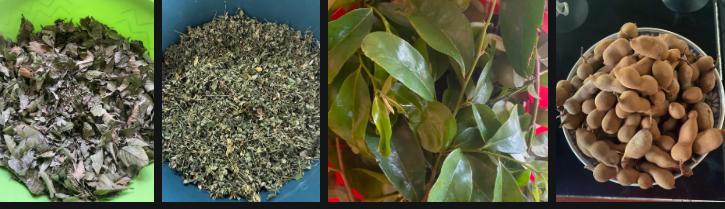
My daily tea consists of a blend of Moringa leaves, Guava leaves, and Bay leaves, complemented by Turmeric, Ginger, cinnamon, and green tea, each ingredient chosen for its unique health properties. This mixture typically energizes me and is said to offer numerous health benefits, enhancing my vitality and focus throughout the day. For a midmorning snack, I enjoy Tamarinds or Tamarind balls, which are reported to be good for dry eyes; since incorporating them into my diet, I’ve not experienced a flare-up, showcasing the value of small dietary adjustments. My breakfast often features fish with breadfruit or steamed sweet potatoes, both rich in nutrients and delicious. Occasionally, I indulge in a slice or two of whole wheat bread, appreciating its heartiness and fiber content. I’m not particularly fond of rice, but I do treat myself to a few spoonsful from time to time, often opting for ground provisions and steamed vegetables instead, as they are both nutritious and flavorful. When I do eat rice, it’s usually brown rice, which I consider a healthier choice due to its higher fiber content. My dinners tend to be as simple as cornmeal or oatmeal porridge, sweetened with honey. While I do use sugar sparingly, I prefer brown sugar, to keep my meals as tasty as possible.
I’m grateful to the good Lord that I only take one medication for being borderline hypertensive, and my goal is to take care of myself to minimize the risk of needing more. I heed my doctor’s advice but prefer not to seek chemical solutions first, believing in the power of holistic practices and lifestyle changes. I recognize that life has its ups and downs, and I strive to find holistic methods to manage stress, such as mindfulness and breathing exercises, although I wouldn’t hesitate to take medication if it’s needed. When I need to soothe my nerves, I brew tea from soursop leaves, which I find especially beneficial for insomnia and relaxation. Nevertheless, I’m not someone who would reject medication when required, knowing that balancing natural remedies and conventional treatments can sometimes be the best approach for maintaining optimal health.