In an earlier article, I mentioned having an emotional day while writing my fourth and current novel. Experiencing an emotional moment during the writing phase is not unusual or troubling. As the saying goes, 10 percent of life is what happens to you; 90 percent is how you handle what happens. During the writing of my third novel, Tears of Exile, I remember having a similar sad episode, particularly while writing the scenes of the Garifuna internment on Balliceaux. I conducted some research and listened to oral histories from the descendants of our exiled brothers and sisters, which provided the material needed to construct the world and period my characters inhabited.
Once I mapped out the historical information—the landscape of the island, the customs of the Garifuna people, events that occurred during that time, and the languages spoken—I began to formulate my characters. Lemerie Lavia and Manuel Baptiste came to life against this historical backdrop. In my mind, Lemerie was the taller of the two, while Manuel was stockier. You may envision them differently, but this is my vision of them. Somewhere in Yurumein (modern-day St. Vincent and the Grenadines), there were friends like these two. It was with these facts that the town of Masarica (currently the village of Greiggs) came to life. The concept of the town square was fashioned after the park in the middle of my hometown of Barrouallie, the community space where we watched cricket and soccer, and where churches held crusades during my childhood. It served as the main hub for community engagement, a melting pot of cultures and interactions that shaped my childhood experiences. Barrouallie, one of the oldest towns in St. Vincent, still has French and Garifuna influences sprinkled around, giving it a unique character.
I wanted to capture a piece of it in my novel. There are relics from when the Garifuna people ruled St. Vincent, remnants of their rich heritage woven into the fabric of everyday life in Barrouallie. My parental home stands on the grounds of one of the oldest clinics. Before that building was torn down, I visited my uncle, who had converted it into a residence, allowing me to witness firsthand the history embedded in the property. A huge porch extended across the front of the house where patients would line up for treatment, accompanied, no doubt, by the sounds of their conversations and the solemnity of their needs. The stones from that porch were used to construct my parents’ house, and the incinerator for burning medical waste still remains in the backyard, its presence a stark reminder of the lives once intertwined there. One can only imagine how many wounded soldiers were treated there during the Carib wars, each story adding depth and texture to the historical narrative I sought to explore. The old police barracks in Barrouallie, one of the oldest in the region, is sadly neglected, serving as a monument to stories untold and memories faded.
Using these historical nuggets, my imagination set to work, creating characters and a lifestyle reminiscent of the period. Lemerie and Manuel sprang to life on the pages, along with many others, their aspirations and growth echoing the struggles of their time. Their agonizing journey and those of the Garifuna people portray a heroic narrative of a community determined to survive, illustrating a relentless spirit that defiantly rose against the tides of adversity. It is truly a tale of suffering, resilience, and survival. Thus, the characters needed to progress and grow; their lives were not solely defined by the tragedies that befell their people. They had families, friends, and activities that structured their daily lives, grounding them in a reality rich with the complexities of human emotions. Tears of Exile illustrates not only the innocence and joy of these characters but also captures the inhumane nature of humanity and imparts a lesson in survival, weaving together their personal victories and losses into a tapestry that resonates with readers.
As in real life, some events in their lives were good while others were heartbreakingly sad, creating a balanced portrayal that reflects the duality of existence. In my exploration of the Garifuna internment on the island of Balliceaux, I researched the Lindley family, who owned the island at that time—what purpose the island served and who, besides the Garifuna people, were present there. Through research, I pieced together the poignant histories of those who suffered. Why did so many perish before the remaining 2,500 were exiled? I don’t want to give away the story, but there were heart-wrenching moments that washed over me in waves of sadness, each one a reminder of the fragility of life and the indelible marks left by history.
This happened again a few weeks ago when rereading Tears Of Exile to convert it into electronic format. The scenes on Balliceaux transported me back to pages 265 to 276 of my second book, ‘Beyond The Mango’s Shade‘. A fictional scene became reality, blurring the lines between my creation and a development that took place fifteen years after writing the book. I am by no means psychic, but when you write a story in a convincingly authentic manner, strange things can happen. Life can indeed imitate fiction, albeit coincidentally, prompting reflections on the interconnectedness of our experiences. In Tears of Exile, I recall the sorrowful journey of the characters and lamented that many individuals like them undoubtedly experienced similar pain, their stories echoing through time and space. In that sense, the pain was real, a palpable connection to the past that demands recognition and respect. I pondered how many of those who suffered there were related to those left behind, creating a complex web of emotions and memories that extend beyond the confines of time. How many families were torn apart, and will their descendants ever be reunited? What was life like after their exile, and how did it affect the vibrant Vincentian culture, forever altered by those tumultuous events?
Understanding the past is essential, as it enlightens us about why we are the way we are, guiding us as we navigate the present and future. However, the beautiful aspect of historical fiction is that you can create the ending you desire, crafting narratives that inspire hope and resilience amidst despair. You are not confined by the constraints of history or limited by historical gaps. You can craft the conclusion you wish for, and who knows if life will imitate fiction? With each stroke of the pen, we have the power to shape destinies and imagine brighter tomorrows.


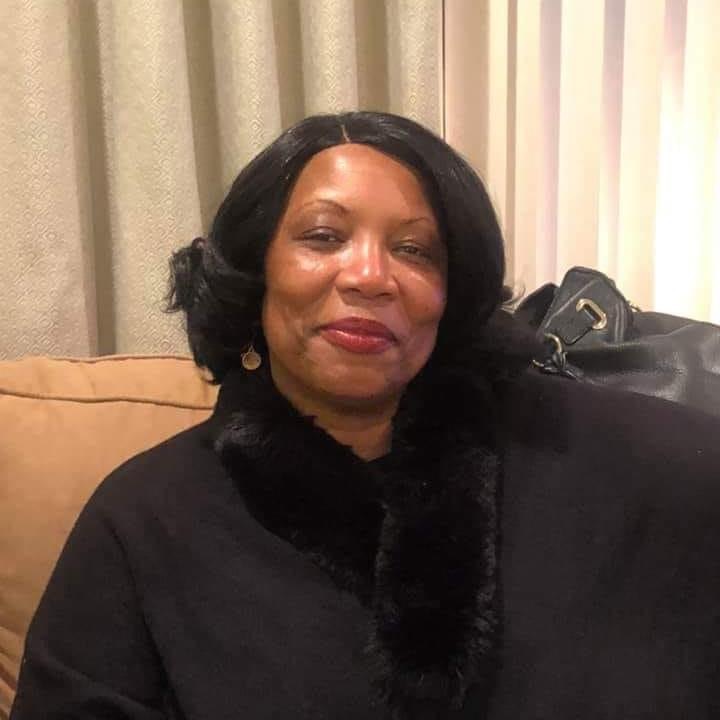
 Trish St.Hill
Leave a comment