Tag: writing-tips

  • As I plow through the first draft of my current novel, my overactive imagination is in overdrive, fueling a creative storm that refuses to settle. In my genre of writing (historical fiction), intricate plots are meticulously woven, tension-filled suspense is built, and multifaceted characters come vibrantly to life. From the beginning, I take special care to map my story, engaging deeply in character development – What is the essence of the story I’m telling, who are these characters that populate my narrative, and why do they exist within the rich tapestry of my fictional world? As I mentioned in an earlier article, it is crucial to always have a clear vision of how your story will conclude, allowing the plot to naturally unfold while worrying least about the title of your book.
    Sometimes, during this creative journey, you may realize there is a potential conflict in the ending of your story; it becomes essential to unravel and clarify that before you proceed further. Once you have a solid understanding of what your narrative is about and how it is destined to end, it’s time to create your characters, keeping in mind that their names might evolve as the story progresses, reflecting their journey. The main characters are pivotal, yet without the careful weaving in of minor characters, the story could fall flat and lack the richness it deserves. Backstories are developed and evolve over time to provide depth and substance to the overarching tale, and often to offer contrasts that highlight the characters’ personalities and depth. This is precisely where my skill of descriptive writing comes into play, allowing me to immerse readers fully in the world I am crafting. There are many ways to articulate a scene in a book, each with its own unique impact – a plain, straightforward description may serve its purpose, but a richly descriptive approach draws the reader in and engages their senses. See two versions of the same story below.


    (1) Hawk stood before the mirror, splashing his face and neck with cologne. He had prepared his outfit: black pants with a turtleneck and a gray dinner jacket. He was happy to be…

    (2) Splashing his face and neck generously with cologne, Hawk examined himself in the long mirror placed strategically against the wall. Turning to the side, he ensured his hair was brushed immaculately. He had taken great pains to pick and prepare his outfit, ensuring he looked fashionable. His black pants and turtleneck, paired with a grey dinner jacket, fit perfectly on his muscular body. A large gold chain dangled alluringly against his black sweater. Waves of excitement washed over him as he contemplated his…

    In example one, Hawk is getting dressed and is obviously preparing to go somewhere. In example two, we are pulled in by the generous amount of cologne he splashes on himself, the fragrance no doubt filling the air, creating a sensory experience that speaks to his desire to make an unforgettable impression. His careful examination of his profile in the mirror, making sure his hair looks good, adds an extra layer of texture to the story, reflecting his self-consciousness and attention to detail. the description emphasizes his desire to stand out. We know he took great pains to ensure he picked out a great outfit, each choice meticulously thought out, from the color of his shirt to the style of his jacket, and we are even given details about his accessories, such as the gold jewelry that accentuates his outfit. Additionally, we get a little glimpse into his emotions; he is obviously going out on the town, perhaps on a date, and the excitement mingles with a hint of anxiety, suggesting that this could be a pivotal moment in his life. Example one is plain and lacks details or descriptive writing, while example two is rich with imagery and emotion, pulling us into the story and invoking the complex feelings of the character.

    Essentially, there is a plain way to say something and a descriptive way to say the same thing; descriptive writing not only creates a mood but also gives a vivid and clear picture of the character’s surroundings and inner thoughts. It allows you to truly feel their emotions, whether it be joy, anxiety, or hope, making you root for or against them. It often sets the tone for whether you want to finish a book or put it aside to be visited another day, as well-crafted descriptions create a bond between the reader and the story. It is the essential ingredient that determines how we feel about a character or a storyline, influencing our engagement and investment in their journey.

  • Embracing the Emotional Depth of Historical Fiction

    As a historic fiction writer, it is challenging to build a story that invokes curiosity from your readers. Authenticity is key to writing a convincing tale, as readers are often drawn to narratives that resonate with real historical contexts and human experiences. To create a narrative with an authentic feel, it is essential to delve into the emotions of your story while equally drawing your readers into those feelings. By painting vivid scenes that transport your audience to a different era, you can immerse them in the sights, sounds, and sentiments that define your world. Telling a story alone is not enough to engage your readers; it is crucial to keep them wondering about the what, when, and where of your characters. What is happening? How are they feeling? To keep readers intrigued, tantalize them with the journey of the characters, injecting just enough mystery to leave them questioning what’s next. This tension encourages a deeper connection, compelling your audience to turn the pages as they yearn to uncover the truth behind the characters’ actions, motivations, and the historical events that shape their lives. Ultimately, it is the blend of rich detail, emotional depth, and suspenseful storytelling that creates a memorable experience for the reader.

    Readers might grow to like your characters, hate them, or become curious about them, but the goal is to avoid indifference. You don’t want your audience feeling lost or confused as they navigate through the storyline, as this can lead to disengagement from the plot altogether. It’s acceptable for them to be curious and wonder about the characters’ motivations and backgrounds, but not to feel adrift in a sea of ambiguity. As a writer, you must dive into the heart and soul of each character in a way that maintains your readers’ attention and fosters a connection to their journeys. This connection is key; you want them asking questions and remaining engaged enough to seek the answers. By weaving in rich backstories and nuanced personality traits, you can create multifaceted characters who evoke strong emotions, ensuring that readers not only invest in their fates but also reflect on their own experiences and feelings as they relate to the unfolding narrative.

    • What are they doing?
    • Why are they doing it?
    • What are they feeling?
    • What will happen next?

    As the author, you must have a clear vision of where the story is heading; however, your readers should be left to wonder about the twists and turns that lie ahead, igniting their imagination and creating an engaging experience that captivates their minds and emotions. This delicate balance between the author’s intent and the reader’s interpretation is vital for crafting a narrative that resonates deeply, encouraging them to explore possibilities and anticipate outcomes that may not align with their expectations, all while allowing the story to unfold in unexpected ways. By maintaining a subtle air of mystery, you allow your audience to become active participants in the unfolding tale, enhancing their connection to the characters and the world you’ve meticulously built, fostering an environment where they feel compelled to think critically and dream vividly about what could happen next. As they venture further into the narrative, their investment in the plot deepens, making every revelation and twist feel personal, as if the story is uniquely theirs to discover.

    Yesterday, I sat in my sunroom working on my fourth novel, surrounded by the gentle warmth of sunlight filtering through the glass. As I peeled back the layers of my characters and wove my intricate story, I found myself deeply embroiled in a particular storyline that tugged at my heartstrings. After typing 25 pages, a wave of sadness washed over me; I realized that I had become so entrenched in my characters’ experiences that I felt overwhelmed by their struggles and triumphs. Each line I wrote seemed to pull me deeper into their world, making it increasingly difficult to separate their pain from my own reality. I reminded myself that my characters were fictional, mere figments of my imagination, and took a break, inhaling deeply, trying to ground myself. I stepped away from the keyboard and grabbed a bottle of water from my refrigerator, the cool sensation refreshing against my lips. Yet, despite the brief reprieve, I couldn’t shake the feeling that resonated within me, an echo of their emotions lingering in the air, a testament to the power of storytelling that can transcend the boundaries of ink and paper.

    This wasn’t the first time I had felt overwhelmed while writing a novel—it likely won’t be the last. I began to question my emotional response: Am I normal? Why do I get so emotional about fictional characters and storylines? With my laptop pushed aside, I reclined in my armchair and watched ten minutes of news, momentarily losing myself in the world outside my own creation. Then, it hit me. I am the only person who knows the future of my characters and truly understands them inside and out. Each detail, from their flawed motivations to their triumphs, has been meticulously crafted in my mind. I have spent hundreds of pages developing them and watched them grow within the confines of my novel, like watching children mature and face life’s challenges. No one else carries that burden, that intimate knowledge of their struggles and dreams. It’s okay to feel their pain, I thought, because in doing so, I honor their journeys. If my characters lacked depth, they wouldn’t invoke such emotions in me. Instead, they speak to the universal human experience, reflecting our own fears and aspirations. It’s important to share in their stories, celebrate their joys, and lament their sorrows—this is what breathes life into good historical fiction, allowing readers to connect with the past through the vivid artistry of narrative. In this emotional landscape, both writer and reader find a sense of belonging, a reminder that even in fiction, we are never truly alone.

    Unlike regular fiction, historical fiction involves inserting fictional characters into a backdrop of the past, intertwined with historical events that shape their lives and choices. This genre requires thorough research and a vivid imagination to create characters grounded in the social norms and lifestyles of the time period, ensuring that the nuances of each era are accurately represented. To craft believable characters true to their era, one must deeply understand and care for them, immersing oneself in their motivations, struggles, and triumphs to evoke authenticity. Additionally, weaving their stories into the broader historical narrative demands an awareness of the societal context in which they exist, thus allowing the plot to resonate with both historical accuracy and emotional depth. I gave myself permission to feel overwhelmed, recognizing the weight of this creative responsibility, but I also allowed myself the grace to take a break, breathe, and regain perspective, understanding that even the most dedicated writers must periodically step back to nurture their creativity and maintain clarity in their storytelling journey.

  • In this article, “What makes a book a page-turner,” I explore the journey of transforming my first book from an idea to a manuscript, and finally to a published work. I dissect the various facets and stages of a book that captivate readers through its characters and storylines. Most importantly, I aim for this article to serve as a motivational tool for aspiring writers pursuing their goal of becoming published authors, shedding light on the distinction between merely writing a book and crafting one that truly engages its readers.

    In 1984, I was a young pregnant wife living in Long Island, New York. While in college, my husband and I made the decision to buy a house in the suburbs. With our new home, I aimed to fulfill my vision of a house, child, and white picket fence—an idyllic representation of the American dream. However, I soon discovered that I lacked the maturity to cope with the complexities of life, and that which we believed would bring us joy began to strain our young marriage. As stress mounted and the pressures of this new chapter of life became overwhelming, I turned to a cherished hobby—writing—as a form of escape and expression.

    I noticed a scarcity of West Indian literature in American bookstores, which fueled my desire to start a novel with a Caribbean theme. Lacking a computer or typewriter, I opted to write my manuscript in a well-worn notebook, pouring my heart and creativity onto its pages. Over the years, this manuscript traveled from upstairs to the basement to the garage, stashed away but never forgotten. It was a testament to my evolving dreams as a writer. Eventually, when I bought my first computer, I typed it from the notebook, but it remained untouched on my device for years—a dormant project waiting for the right moment to be revived.

    When I finally decided to proofread it, I encountered a disheartening obstacle: I couldn’t find the file on my computer. Feeling defeated, I searched my home for answers and, fortunately, discovered a hard copy tucked away in a box. A friend kindly scanned the document for me, yet the scan wasn’t perfect, necessitating considerable effort to clean up the manuscript. Nevertheless, I finally had a draft that I could work with.

    I began to make changes, adding new characters and altering storylines to enhance interest and depth. Backstories emerged, enriching the narrative, and a mystery was introduced to keep readers engaged. That’s when the eccentric character Miss Maddie came to life, adorned with her authentic Caribbean flair, while the foul-mouthed Gloria provided a counterbalance to the level-headed Felicia. Their peculiar friendship became a focal point; it evokes curiosity regarding how two young women with contrasting personalities can maintain such a genuine bond. You feel compelled to understand Gloria without judgment, to grasp her imperfections because you sense there’s a deeper story behind them. The narrative captures the dichotomy between right and wrong yet invites exploration of the grays in between.

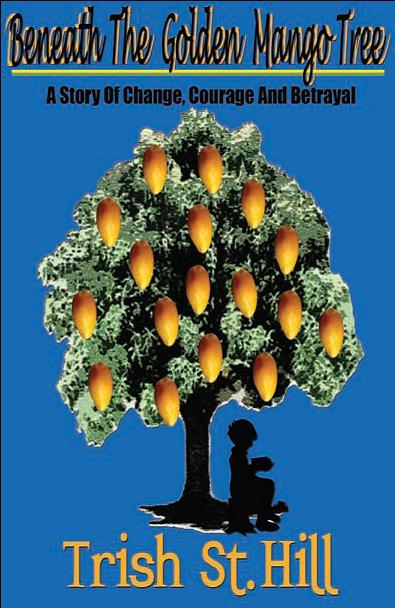
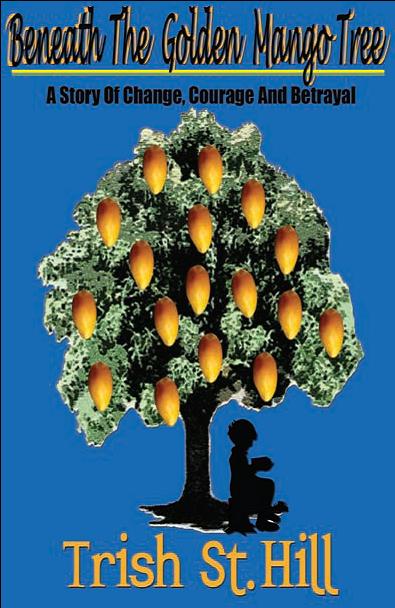
    The unfolding story spanned several counties and continued to evolve as I learned more about our Vincentian Garifuna heritage. Felicia Jones transformed into Felicia Francois, a character who, like me, sought to explore the rich history and traditions of the Garifuna culture. The book’s title shifted from Beneath the Golden Apple Tree to Beneath the Golden Mango Tree, when my 24-year-old daughter told me that the West Indies is more renowned for mangoes than apples. This detail was particularly poignant, as I had begun writing this book while pregnant with my daughter, who was now in law school and contributing her insights.

    In addition to embracing a Caribbean theme, the story gradually took on a Garifuna theme, which allowed me to delve deeper into our roots and convey the vibrant tapestry of our culture. After 24 years of wandering through various stages, the manuscript was finally ready for publishing. It narrates the tale of a Vincentian Garifuna girl who travels to New York, facing the challenges of coming of age in a culture foreign to her, while clinging to her West Indian traditions—a journey that resonates with many readers.

    The subsequent year was a whirlwind spent researching and finalizing the book for publication, revealing the harsh realities of the publishing industry and the dedication required to bring a book to life. After 25 years, Beneath the Golden Mango Tree graced the shelves of bookstores, including Amazon and Barnes and Noble, throughout the U.S.A., Central America, and the Caribbean, reaching readers who resonated with its themes.

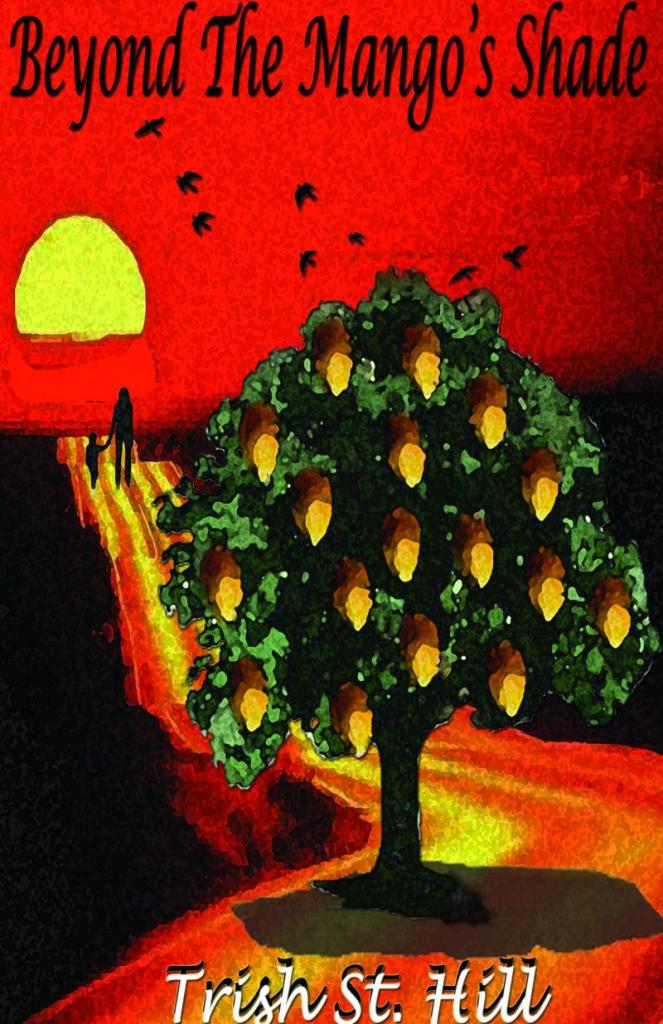
    My promotional journey led me to television and radio appearances across the Americas and the Caribbean, where I shared my experiences and insights about writing and the importance of cultural representation in literature. Every weekend, I engaged in speaking events at colleges in both the USA and Central America, inspiring students and aspiring writers. Several institutions even adopted the book as a Caribbean literature textbook, further validating the significance of my work. A professor at Malloy College even nominated this book, along with my follow-up work, ‘Beyond the Mango’s Shade,’ for the Nobel Prize in literature—a nomination that, while ultimately not culminating in an award, was a gratifying honor that reinforced the impact of my writing.

    My advice to writers is to fearlessly commit your thoughts to paper or a computer and not let the fear of rejection hold you back. Everyone has a book within them, whether it’s a cookbook, poetry, children’s literature, a novel, or a self-help book. It might even be an autobiography, but it’s there, waiting to be uncovered and shared with the world. Follow your writing dreams, even if your only intention is to write for yourself; your voice and story matter. Embrace the journey, for every word penned brings you closer to achieving your aspirations as a writer.

  • Getting Started with Your Book

    As stated in an earlier post, there is a book in everyone. Whether it’s poetry, a cookbook, an autobiography, a novel, a children’s book, self-help, or a how-to book, it’s in there. But how does one get started?

    For some people, it is about finding motivation. For others, it’s about time management, and sometimes people just don’t understand the process and how to begin.

    My Approach: Story Mapping

    One of my approaches is to take as little as one hour to jot down my layout, or what I call story mapping. My books are novels, but for most types of writing, it may simply involve making notes. If you have a computer or tablet, type it in. Start right where you are with whatever tools you have. Use the time you allocate as your special time to unwind rather than stress.

    For instance, after you have put the little ones to bed, and have done the dishes and laundry, take an hour or even 30 minutes for yourself to jot down your ideas. Don’t worry about format and errors at this stage; these are things a good proofreader and editor can iron out for you later on. You should never proofread your own work anyway.

    The Importance of Getting Started

    The important thing is to get started. If you take public transport, use that time to make notations. During your lunch break, use 15 minutes to write. The book is within you, and getting started is within your reach.

    Maintaining Momentum

    But how do you keep the momentum going once you start? Once you begin writing, commit to your scheduled writing time. Some days, you may write 10 pages; other days, only a paragraph. Even if you don’t write directly for your book one day, you might jot down reminders or research questions. It’s okay as long as you stay committed in some way.

    Crafting Your Writing Style

    You may also want to spend time crafting your writing style. It’s important to be authentic and develop your own voice, but it never hurts to observe the work of other writers in your genre. You may pick up simple formatting styles or recognize patterns in your errors that can improve your writing.

    Consider taking an online writing class. My first book was handwritten because I did not have a typewriter or computer. By the time I began to type the book 25 years later, I realized the story fell flat in some places. Writing historical fiction is challenging because, while it may have some historical context, the characters can be fictional.

    I decided to take an online class called “Descriptive Writing.” It was immensely helpful and contributed to a richer and more descriptive storyline.

    Conclusion

    Whether you are just starting your writing journey or seeking to enhance your skills, remember that the most important step is to begin. Embrace the process, stay committed, and your book will emerge.

  • What if you want to publish a book, but you are not comfortable writing or have the time, are you dead in the water?
    This is not necessarily the case. Some of the greatest authors are not writers. Many people have the ingredients for a good book, but either do not feel confident in their writing skills or simply do not have the time. Some authors hire a ghostwriter to put their words on paper and to dot the “i’s” and cross the “t’s”.

    The key is in finding a publishing company that would meet your needs. I have worked with clients as a ghostwriter and typist, as well as translator and publisher. The thing to note here is that the more a publisher has to do for you, the more it will cost you, but most things can be done. I remember getting a call from an elderly client who had a manuscript but had lost most of it. To make matters worse, she was hard of hearing. So in addition to the regular editing, proofing, copyrighting, and other things involved in publishing, I had to recreate 75 percent of her book. Then there was the client who had handwritten a book in dialect. Another one that comes to mind is a Spanish-speaking client who wrote her book in broken English. My job was to decipher the book and convert it to standard English. Publishers are used to cleaning up manuscripts, but trying to understand what someone is trying to say when they speak another language is very challenging.

    Another service our clients frequently sought were pictures for children’s books. But just getting our artists to draw some pictures is no easy task. The pictures have to mirror what the author has in mind.

    Whatever work I do for my clients, the book is not mine. My job is to transfer their words or materials to publishable quality and get it into book form.

    My point here is that anyone can author a good book. Simply because you did not sit at a computer and type a book does not mean you are not the author. Regardless of who typed the manuscript, the information will come from you, so it is every bit your book. Therefore, if you are serious about writing a book, do not let anything stand in your way. Find yourself the right publisher and make it happen.

  • My Journey as an Author: Inspiring Other Writers

    Writing has always been a passion of mine, but the journey to becoming an author has been filled with ups and downs, challenges and achievements. Here’s a glimpse into my experience, along with some lifestyle strategies that have helped me along the way.

    The Beginnings

    I started writing at a young age, jotting down stories in notebooks and writing short stories. Little did I know this was the seed to my writing career. However, the path to becoming a published author was not straightforward. I faced countless rejections, self-doubt, and moments where I considered giving up entirely. But each setback taught me invaluable lessons about resilience and imperfection.

    Finding My Voice

    One of the key turning points in my journey was learning to embrace my unique voice. I realized that no story is too small or insignificant, and authenticity resonates with readers. By writing what I was truly passionate about, I found my style, and my writing began to flourish.

    Key Lifestyle Strategies

    To sustain my writing habit and nurture my creativity, I adopted several lifestyle strategies:

    1. Set a Writing Routine

    Creating a consistent writing schedule helped me develop discipline. I set aside dedicated time each day to write, allowing me to make steady progress on my projects.

    2. Read Widely and Often

    Reading a diverse range of genres expanded my understanding of storytelling. It provided inspiration and introduced me to various styles and techniques that I could incorporate into my own writing.

    3. Stay Organized

    Using tools like planners and writing software helped me keep track of my ideas, deadlines, and submissions. Staying organized reduced stress and allowed me to focus on the creative process.

    4. Embrace Feedback

    Constructive criticism is a critical part of growth. I sought feedback from trusted peers and editors, which helped me continuously improve my work and gain new perspectives.

    5. Take Breaks

    Writing can be mentally taxing, so I learned the importance of taking breaks to recharge. Whether it’s a short walk, a day off, or engaging in a different hobby, stepping away from writing can bring clarity and new ideas.

    Encouragement for Aspiring Writers

    To anyone on a similar journey, remember that every writer’s path is unique. Embrace your struggles and celebrate your milestones. Surround yourself with a supportive community, and don’t be afraid to share your work. Your stories matter, and you have the power to inspire others through your words.

    Let’s uplift each other in this beautiful journey of writing!