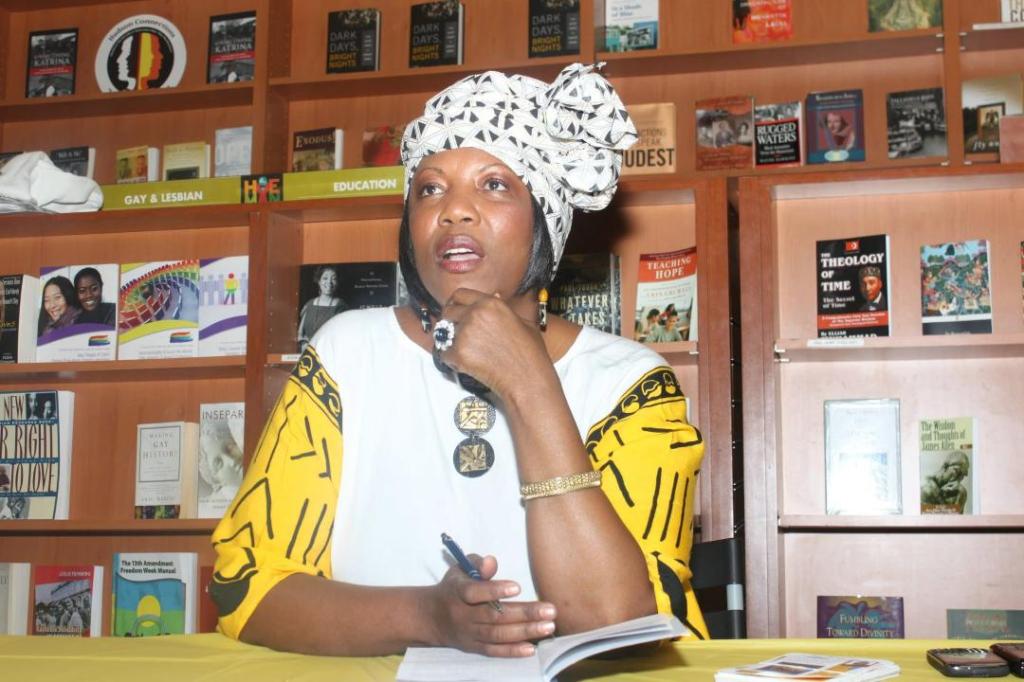
I have finally examined my writing style – how and what might have influenced the way I write. My examination yielded the observation that I write from four perspectives: an authentic Caribbean woman, a cultural enthusiast, a student of history, and a lover of nostalgia.
As I continue to pen my most recent novel, waves of nostalgia surround me, enveloping me in memories that are both sweet and bittersweet. While some of my writing is derived from thorough research into historical contexts and cultural settings, much is derived from my deeply personal knowledge and experiences that shape my worldview. Having been a child in the sixties, a period marked by vibrant music and cultural richness, I drew on my understanding of that era to develop the characters of Hawken and Melvina. The innocence of their first encounter and subsequent friendship stirs the heartstrings, evoking a simpler time when connections were forged through pure, unfiltered emotions. Their unselfish, unconditional friendship warms the heart, displaying a bond so pure that you want to see it flourish against all odds. But there is an underlying fear of their growth and the harsh realities of life awaiting them, lurking beneath their joyous adventures. Where will life take them, and will they be equipped to weather its storms? It’s a love story, a coming-of-age tale, and a survival story, all blanketed in the rich culture and history of a people and a period that continue to echo the spirit of their ancestors and way of life. It’s a story that emphasizes resilience and the enduring strength of community.
One of my most endearing storylines in this novel revolves around the parents explaining puberty and baby-making to the two pre-teens in a manner that is both humorous and educational. Amid a bit of comic relief, it reminds us of a time when children safely and innocently roamed the bounds of friendship, free from adult complexities and societal pressures. They are clearly the heroine and hero of the book, navigating the tangled web of adolescence as their innocence is challenged. This narrative takes several unexpected twists and turns to reach its conclusion, engulfing the reader in a whirlwind of comedy, sadness, survival, and nostalgia, all the while gently coaxing them to reflect upon their own journeys through the trials of youth.
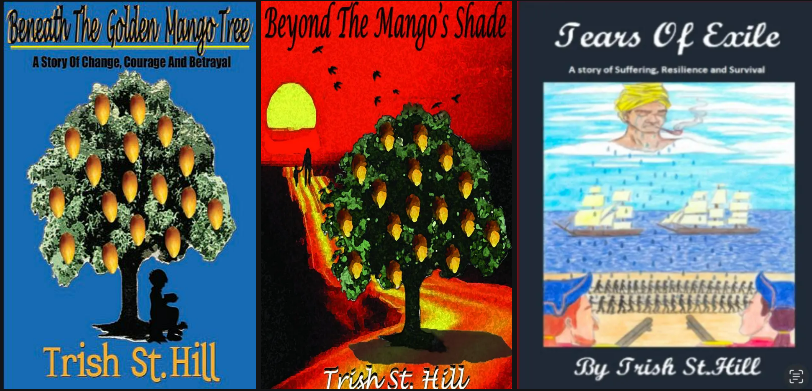
Upon reflecting on past characters in my other novels, I realized unintentional similarities among some. Miss Maddie in books one and two bears a striking resemblance to Tantan Velda in book three, despite living centuries apart in vastly different contexts. Although both women occupy unique positions in their respective stories, they each contribute an endearing component that creates teachable moments, showcasing the strength of women across different time periods. Further examination of my characters and storylines across my novels led me to dissect my overall writing style. I discovered that my approach to delivering authentic Caribbean cultural stories has fostered the emergence of my folksy writing style. The dialect used by some characters adds richness and authenticity, breathing life into the narrative and offering lessons rooted in a culture steeped in history and vibrant reality, still reflected in our society today. While General Caribbean culture shares many similarities, I have an intimate connection with St. Vincent and the Grenadines, which is why my writing is more deeply centered on its way of life, its people, and their stories that often go unheard.
Walking along the bustling streets of Kingstown, Barrouallie and much of St. Vincent and the Grenadines, I can see the coming to life of many of my characters, each inspired by the vibrant tapestry of daily life surrounding me. The spirit of the people remains undaunted in their quest for survival, illustrating a rich cultural heritage that thrives even in challenging times. Whether selling homemade snacks, fruits, vegetables, or pushing manpowered carts around town, Vincentians are always on the move to navigate this brutal world, adapting their strategies with remarkable ingenuity. From the friendly banter with customers purchasing local craft souvenirs to the seashell blown to announce the fisherman’s catch of the day, they are fiercely determined to hold onto the entrepreneurial spirit that consistently rescues them from the harsh realities of enslavement, colonialism, and discrimination. Without this entrepreneurial spirit, our nation would face staggering hardship and despair. Times are hard, yet the stubborn strength and determination of the people truly propel this nation’s survival, creating a narrative of hope amid adversity that inspires both myself and my readers.
As I reflect on the stories I aim to write and the world as it is today, I realize that while many things have changed, the methods of survival in our island nation remain largely unchanged, passed down through generations as a testament to resilience. Perhaps this is a blessing in disguise, as it grounds us in our identity and heritage. Elements of Miss Maddie and Tantan Velda still reside here, as does the strength and dignity of Chief Galian and the humor of the comedic character Viken. They exist in our people’s survival tactics, delivering us from the harshness of this cruel world time and time again, reminding us of the importance of community, culture, and shared history.
This serves as a poignant reminder to always tell culturally rich stories that offer no apologies or adjustments, celebrating our uniqueness in a global narrative. Reflecting on why I write the way I do, I realize that my writing style evolves from my love of cultural nostalgia, as it fuels my passion for storytelling. I don’t want to return to the old days, and I couldn’t even if I wished to. However, I can take my readers into those times, guiding them through the experiences of others as long as I remain authentic to our Caribbean culture. In the process, I hope to edutain people beyond the bounds of our culture, sparking interest and fostering understanding through narratives that resonate with the human experience.
 Trish St.Hill