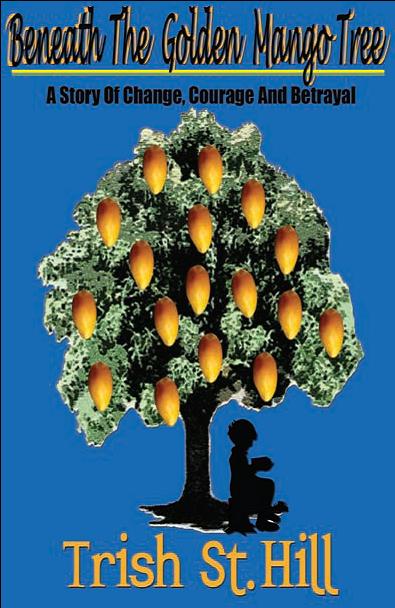
In this article, “What makes a book a page-turner,” I explore the journey of transforming my first book from an idea to a manuscript, and finally to a published work. I dissect the various facets and stages of a book that captivate readers through its characters and storylines. Most importantly, I aim for this article to serve as a motivational tool for aspiring writers pursuing their goal of becoming published authors, shedding light on the distinction between merely writing a book and crafting one that truly engages its readers.
In 1984, I was a young pregnant wife living in Long Island, New York. While in college, my husband and I made the decision to buy a house in the suburbs. With our new home, I aimed to fulfill my vision of a house, child, and white picket fence—an idyllic representation of the American dream. However, I soon discovered that I lacked the maturity to cope with the complexities of life, and that which we believed would bring us joy began to strain our young marriage. As stress mounted and the pressures of this new chapter of life became overwhelming, I turned to a cherished hobby—writing—as a form of escape and expression.
I noticed a scarcity of West Indian literature in American bookstores, which fueled my desire to start a novel with a Caribbean theme. Lacking a computer or typewriter, I opted to write my manuscript in a well-worn notebook, pouring my heart and creativity onto its pages. Over the years, this manuscript traveled from upstairs to the basement to the garage, stashed away but never forgotten. It was a testament to my evolving dreams as a writer. Eventually, when I bought my first computer, I typed it from the notebook, but it remained untouched on my device for years—a dormant project waiting for the right moment to be revived.
When I finally decided to proofread it, I encountered a disheartening obstacle: I couldn’t find the file on my computer. Feeling defeated, I searched my home for answers and, fortunately, discovered a hard copy tucked away in a box. A friend kindly scanned the document for me, yet the scan wasn’t perfect, necessitating considerable effort to clean up the manuscript. Nevertheless, I finally had a draft that I could work with.
I began to make changes, adding new characters and altering storylines to enhance interest and depth. Backstories emerged, enriching the narrative, and a mystery was introduced to keep readers engaged. That’s when the eccentric character Miss Maddie came to life, adorned with her authentic Caribbean flair, while the foul-mouthed Gloria provided a counterbalance to the level-headed Felicia. Their peculiar friendship became a focal point; it evokes curiosity regarding how two young women with contrasting personalities can maintain such a genuine bond. You feel compelled to understand Gloria without judgment, to grasp her imperfections because you sense there’s a deeper story behind them. The narrative captures the dichotomy between right and wrong yet invites exploration of the grays in between.
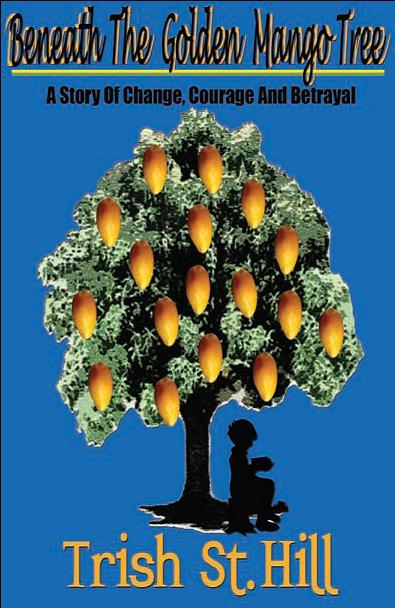
The unfolding story spanned several counties and continued to evolve as I learned more about our Vincentian Garifuna heritage. Felicia Jones transformed into Felicia Francois, a character who, like me, sought to explore the rich history and traditions of the Garifuna culture. The book’s title shifted from Beneath the Golden Apple Tree to Beneath the Golden Mango Tree, when my 24-year-old daughter told me that the West Indies is more renowned for mangoes than apples. This detail was particularly poignant, as I had begun writing this book while pregnant with my daughter, who was now in law school and contributing her insights.
In addition to embracing a Caribbean theme, the story gradually took on a Garifuna theme, which allowed me to delve deeper into our roots and convey the vibrant tapestry of our culture. After 24 years of wandering through various stages, the manuscript was finally ready for publishing. It narrates the tale of a Vincentian Garifuna girl who travels to New York, facing the challenges of coming of age in a culture foreign to her, while clinging to her West Indian traditions—a journey that resonates with many readers.
The subsequent year was a whirlwind spent researching and finalizing the book for publication, revealing the harsh realities of the publishing industry and the dedication required to bring a book to life. After 25 years, Beneath the Golden Mango Tree graced the shelves of bookstores, including Amazon and Barnes and Noble, throughout the U.S.A., Central America, and the Caribbean, reaching readers who resonated with its themes.
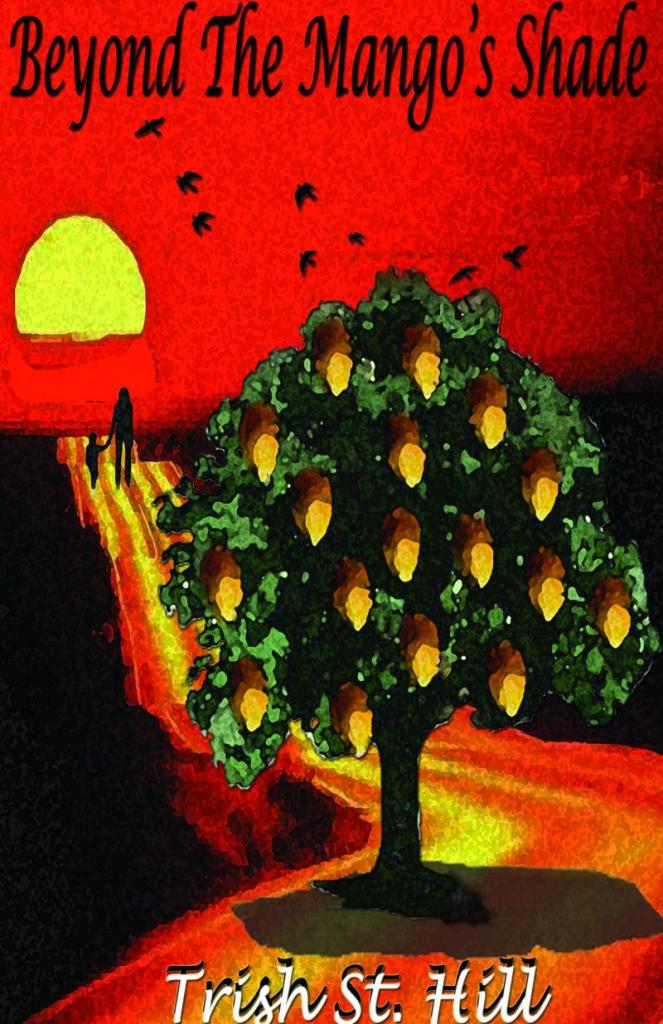
My promotional journey led me to television and radio appearances across the Americas and the Caribbean, where I shared my experiences and insights about writing and the importance of cultural representation in literature. Every weekend, I engaged in speaking events at colleges in both the USA and Central America, inspiring students and aspiring writers. Several institutions even adopted the book as a Caribbean literature textbook, further validating the significance of my work. A professor at Malloy College even nominated this book, along with my follow-up work, ‘Beyond the Mango’s Shade,’ for the Nobel Prize in literature—a nomination that, while ultimately not culminating in an award, was a gratifying honor that reinforced the impact of my writing.
My advice to writers is to fearlessly commit your thoughts to paper or a computer and not let the fear of rejection hold you back. Everyone has a book within them, whether it’s a cookbook, poetry, children’s literature, a novel, or a self-help book. It might even be an autobiography, but it’s there, waiting to be uncovered and shared with the world. Follow your writing dreams, even if your only intention is to write for yourself; your voice and story matter. Embrace the journey, for every word penned brings you closer to achieving your aspirations as a writer.
 Trish St.Hill