Tag: health

  • Visit my website at http://www.trishsthill.com
    Starting this blog was something I dreamt of doing for years. It was born of years of changes (good and bad), of inspiration and challenges. Being a creative person whose brain is always churning with ideas or issues, this blog offered me a creative outlet as well as an opportunity to share my stories laced with life’s challenges. I often thought of what a better world we would have if each of us tried in our own way to encourage and motivate each other. You never know what someone is going through and how one kind word or encouragement can brighten their day. Sometimes people feel stuck in moving forward with a plan or idea, and perhaps a perspective from someone motivated them to finally move forward. And so, I started this blog discussing the writing process mixed with life’s stories and challenges. Sometimes my ideas come from something I was reminded of, something I observed, or a challenge I had to overcome. This weekend I attended a yearly Vincentian picnic at Heckscher State Park. It is a lively, fun-filled family event where people from St. Vincent and the Grenadines come together to celebrate our culture. I will write an article on my experience at the picnic in a future blog post. But in this article, I want to cover something I heard mentioned several times while at the picnic – menopause.

    This topic of menopause could be overwhelming to many, but I want to discuss it, not as an expert, but in terms of breaking it down and encouraging women to give themselves grace when they are going through this state in life, and, in general, to give another perspective. If we live long enough, all of us will go through menopause. It’s not an illness; it doesn’t have to be scary if we educate ourselves about it and make some adjustments to get more comfortable with it. Discussing menopause is not just for women; it is also for men who have women in their lives. All women past a certain age will have their menses cease. If you are like me, you wave a flag. I was glad to part ways with that part of my life. The cramps, bleeding, and other monthly disruptions to life were not pleasant. Some women fear menopause and lament about hot flashes, getting older, dryness, and all the peskiness that comes with this new stage of life. But I was happy to say goodbye to my monthly visitor.

    But then I had to deal with the hot and cold flashes, excessive sweating, my voice sounded deeper, and my mood swings were off the charts. I started to ask myself: how did my mother deal with this? I realized that growing up in the Caribbean, I never heard the word menopause. In speaking with my mother, she told me that her monthly periods simply stopped. She didn’t seem to understand this whole thing that was spoken of as an illness where people need hormone replacement and medication to make them better. As someone with a curious mind, I started to question what the difference was between cultures where a woman simply went through this stage and embraced it, and other cultures where it is treated as a scary illness that needs to be managed with drugs. I spoke with some women from the African continent, and their mothers’ experiences were similar to that of my mother.

    To put this in some context, I am a woman of a certain age who grew up in my home country in the sixties and seventies. We ate differently, consuming a lot of naturally grown foods that were even fertilized by natural fertilizer. Our diet was rich in root vegetables like yams, potatoes, tanias, edoes, dasheens, etc. These root vegetables are said to have a lot of plant estrogen, which is depleted in a woman’s body as she ages, and even our eggs, meat, and fish were organic. Both women from the Caribbean and those from the continent had a similar diet of natural foods grown organically. In my day, there were no barrels coming from America with processed foods, hormones, and all the foods laced with unhealthy substances that helped to mess us up. Today, almost everyone in the Caribbean is eating American foods from well-intended relatives who are trying to help their loved ones economically. The businesses are also importing this food to the detriment of the population.

    Could our diet in the old days be the reason we never heard of menopause or saw our mothers going through hot flashes? I can only say that in my case, I made a concerted effort to eat as naturally as America would allow you. Because even when you try to go organic, the fertilizers are not the best, and even the seeds we use are not the best. But I remember cleaning up my diet the best I could. I consumed more root vegetables, less rice, and stayed away from bleached flour, sugar, and rice. I still had some hot flashes, but they were less and milder; my voice sounded less masculine, and my body felt better overall. I no longer heard people refer to me as “sir” on a phone call, and people began to be surprised at my age, in a good way. Was that the fix-it-all for my menopause journey? No, because I live in a country where not only is bad health profitable, but you also have to pay more to eat healthy.

    So, menopause is coming for any woman who lives long enough. Don’t be scared of it. It could be a beautiful time for a host of reasons:

    • no monthly visit from your bloody visitor. Your husbands would love that one.
    • no pregnancy
    • no contraceptives necessary
    • hopefully, the kids are likely grown and off on their own
    • you know your mature self much better than you ever did your younger self

    Enjoy this phase of life. You are lucky to experience it, as many people overlook the beauty of transformation. You are not sick; it’s not something weird happening to you but rather a natural transition that many undergo. Your menses stopped; good riddance to the discomfort that can accompany those cycles. Instead, focus on the freedom that comes with getting to the phase of post menopause. Eat healthy, think positive, and embrace this new phase of your life. Take advantage of these opportunities to explore new hobbies and passions that may have once felt sidelined. Surround yourself with supportive friends and engage in uplifting conversations that enrich your spirit. This is a time for growth, reflection, and new beginnings, so cherish every moment of it.
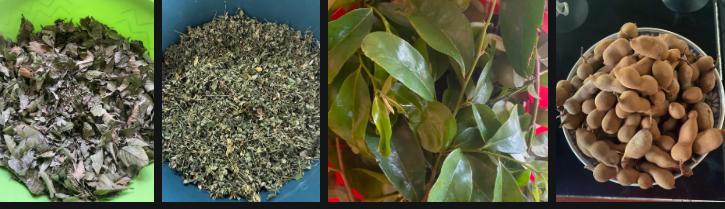
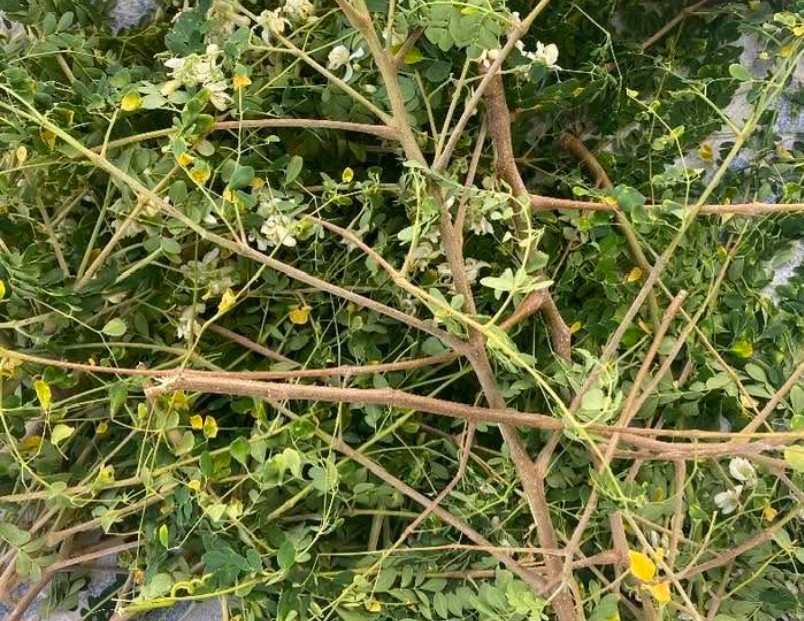
  • Guava leaves Moringa leaves Soursop leaves Tamerinds

    Being in the Caribbean has allowed me to live a greener, cleaner lifestyle, surrounded by nature’s bounty and rich biodiversity that continually inspires me. No need to order natural products on Amazon or wonder if something is really natural or real; I get my food straight from the land. I was never one to rely heavily on medication unless absolutely necessary, often seeking alternatives that align with my values. However, as I age, I become increasingly conscious about what I consume, understanding that the food I eat plays a significant role in my overall well-being. I always visit my doctors when feeling unwell and follow their guidance closely, ensuring I stay informed about my health. Yet, I firmly believe in using herbs and natural foods to maintain my health, often turning to age-old remedies passed down through generations. It’s crucial to conduct thorough research and consult with healthcare professionals even when utilizing herbs, as some can interact negatively with certain conditions or medications. Just because something is healthy doesn’t mean it’s the best choice for everyone; individual responses to various natural substances can vary considerably. This article aims to encourage a more holistic lifestyle, with the hope that it may contribute positively to one’s health journey.

    My daily tea consists of a blend of Moringa leaves, Guava leaves, and Bay leaves, complemented by Turmeric, Ginger, cinnamon, and green tea, each ingredient chosen for its unique health properties. This mixture typically energizes me and is said to offer numerous health benefits, enhancing my vitality and focus throughout the day. For a midmorning snack, I enjoy Tamarinds or Tamarind balls, which are reported to be good for dry eyes; since incorporating them into my diet, I’ve not experienced a flare-up, showcasing the value of small dietary adjustments. My breakfast often features fish with breadfruit or steamed sweet potatoes, both rich in nutrients and delicious. Occasionally, I indulge in a slice or two of whole wheat bread, appreciating its heartiness and fiber content. I’m not particularly fond of rice, but I do treat myself to a few spoonsful from time to time, often opting for ground provisions and steamed vegetables instead, as they are both nutritious and flavorful. When I do eat rice, it’s usually brown rice, which I consider a healthier choice due to its higher fiber content. My dinners tend to be as simple as cornmeal or oatmeal porridge, sweetened with honey. While I do use sugar sparingly, I prefer brown sugar, to keep my meals as tasty as possible.

    I’m grateful to the good Lord that I only take one medication for being borderline hypertensive, and my goal is to take care of myself to minimize the risk of needing more. I heed my doctor’s advice but prefer not to seek chemical solutions first, believing in the power of holistic practices and lifestyle changes. I recognize that life has its ups and downs, and I strive to find holistic methods to manage stress, such as mindfulness and breathing exercises, although I wouldn’t hesitate to take medication if it’s needed. When I need to soothe my nerves, I brew tea from soursop leaves, which I find especially beneficial for insomnia and relaxation. Nevertheless, I’m not someone who would reject medication when required, knowing that balancing natural remedies and conventional treatments can sometimes be the best approach for maintaining optimal health.

  • The beauty of being in the Caribbean is that you have continuous access to natural, organic, and fresh foods. Since arriving here, I have enjoyed a seemingly endless array of fruits, vegetables, and spices. I’ve had the pleasure of receiving breadfruit, sweet potatoes, eddoes, plantains, turmeric, sorrel, golden apples (June plum), passion fruits, and even a few mangoes, which, interestingly, are not in season at the moment. The experience of being able to pick moringa leaves straight from the tree is something that truly enriches my life. While I am not dismissing the convenience of Amazon, which has allowed me to purchase some of these leaves and herbs, it undeniably feels refreshing to get organic, fresh leaves and spices locally to enrich my meals, especially when preparing dishes that utilize the amazing benefits of my moringa tea.

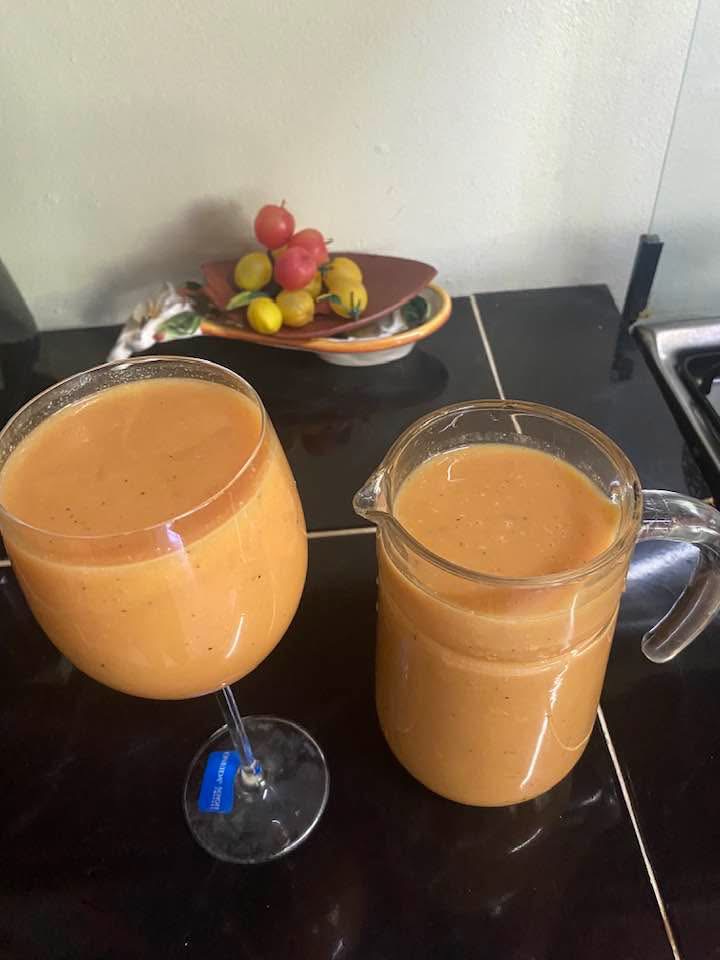
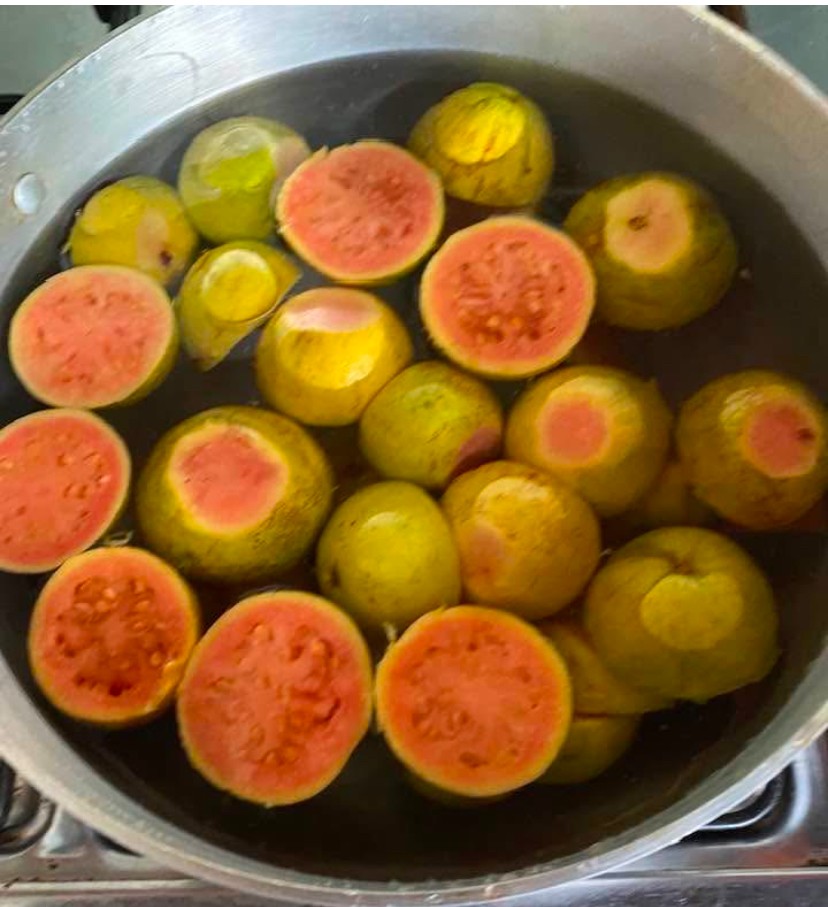
    With an abundance of guavas on my property, there is no shortage of guava jam and jelly in my household. I am able to start each day with a nutritious power shake made from a mix of guavas, golden apples, and passion fruit. The addition of turmeric and ginger creates a delightful and energizing blend that packs a powerful punch of health benefits. And let’s not forget the invigorating sorrel beer and Mauby drink that adds a local flair to my drinks.


    This lifestyle is reminiscent of my upbringing. We produced most of our foods, fostering a deep connection to the land and nature. We would gather eggs from the henhouse, while my father took on the responsible task of milking the cows in the morning, diligently scalding the milk to kill any bacteria that might pose a risk. The animals we consumed were organic, a significant point we took for granted. My mother would either kill chickens or, depending on the occasion, a goat, sheep, or even a pig or cattle for the holidays. Occasionally, she would buy freshly killed meats from a local butcher, ensuring that these sources were trustworthy and free from any harmful additives. There simply were no hormones or chemicals present, reinforcing our wholesome approach to meals.


    Fish was an integral part of our diet and was caught fresh daily by local fishermen. They were often assisted by locals in pulling the nets in, ensuring a community-oriented effort. The fish were still flipping as they were sold to customers, with a portion of the catch netted out for their helpers who contributed to the labor. I vividly recall lying in bed yesterday at my parental home, awakening to the familiar sound of seashells blowing, signaling the fresh catch of the day. I am both thrilled and amazed to see that this traditional form of communication still exists, exemplifying a beautiful connection to the past and our local culture.


    However, it is bittersweet to witness how unhealthy and fattening foreign foods have begun to overshadow the more nutritious local options. I can’t help but feel a sense of urgency regarding this issue. I understand that one of the contributing factors to this trend is the harsh reality of life for many, where survival often takes precedence over health. When families abroad send barrels home to help ease the burden, it is usually welcomed for its cost-cutting measures. The intentions behind these shipments are commendable, but the result can be detrimental to one’s health, leading to a reliance on less nutritious options.


    So what, then, is the answer? Perhaps those of us living abroad should exercise greater mindfulness regarding what we choose to include in those barrels we send home. To elaborate on this, let me share my personal approach as an example. I make a conscious effort to ship whole grain rice, but I complement that with locally sourced whole wheat bread and brown sugar to maintain balance. I’ve also sent occasional corned beef and tuna for when the desire for a picnic strikes, but I ensure I am sourcing fresh meat and fish from local markets. Instead of opting for sugary drinks laden with artificial colors, I prefer to create my own refreshing beverages such as homemade lemonade, sorrel drinks, and vibrant fruit shakes. I make an effort to consume more breadfruit and steamed vegetables than regular bread; although I do enjoy bread, I ensure that it is whole wheat to prioritize my health.


    I am not a farmer by profession, but as I embrace my time here in the Caribbean, I find myself increasingly interested in exploring small-scale farming ventures. The potential for growth and self-sufficiency in that realm is exciting and nutritious. Most importantly, it can make a significant contribution to a healthy lifestyle. There is nothing more important than know what you put into your body.


    In summary, while I do send items from abroad, I strive to include the healthiest options available, especially while navigating the limitations of securing truly organic, fresh foods abroad. I make it a point to utilize local foods as much as possible and remain mindful of my own health choices. To complement my lifestyle, I place an emphasis on staying active. Although there is no gym or specialized equipment nearby, I stay engaged through a variety of chores around my home. I often utilize a very long hallway for exercise, walking back and forth 50 times and incorporating some girl push-ups into my routine until I can eventually ship some proper equipment down. When life throws you lemons, I believe in making lemonade out of those challenges. Ultimately, we are all tasked with surviving and thriving in the best ways we can; let’s embrace creativity and resourcefulness in our quest for health and well-being.