Tag: food

  • In April 2024, I arrived on the sunny shores of St. Vincent and the Grenadines with a sad heart, burdened by the weight of loss. I was here for the final farewell to my beloved mother, who passed away at the age of 87, leaving a void that would be felt deeply by our entire family. Being one of a family of 14 children, we had to be creative in finding lodging to accommodate all the children, grandchildren, and great-grandchildren, as well as spouses, which required intricate planning and coordination. My brother Augustine and his family stayed with me, and together we shared unique stories and memories of my mother, and as we gathered, we found comfort in sharing those cherished moments. I visited my hometown Barrouallie (affectionately known as Bagga), trying to capture some of the familiarity from my childhood, where the warm sun and gentle breeze carried echoes of laughter and love. It was a somber time for our family, yet we were committed to finding solace in the midst of our grief in some form or another, whether through reminiscing, sharing meals, or simply sitting together in silent reflection. Being outside of the capital city, Kingstown, there are not many restaurants or bars to go to; the local spots hold their own charm but are limited. One night, my nephew called. “Auntie,” he said with excitement, “there is a nice restaurant in Bagga called RHE’s. Let me take you there.” We packed my family in the van, ensuring everyone was settled, and off we went, the anticipation of enjoying a meal together providing a small reprieve from the sadness that surrounded us. The laughter and chatter in the van served as a reminder that even in sorrow, family bonds could bring joy and a sense of togetherness.

    Located on the western side of the island, Bagga and its surrounding areas possess volcanic black sand instead of the customary white sand, providing a unique and striking landscape that captivates visitors. It is not unusual to see natives using the black sand as a skin exfoliant, appreciating its natural properties and crafting traditional beauty rituals that have been passed down through generations. RHE’s is in an enviable spot that allows guests to walk directly onto the pristine shores of Morgan’s Bay, where the gentle waves lap against the black sand, creating a tranquil atmosphere perfect for relaxation. The restaurant can be entered from either Morgan’s Bay or a narrow path from the main road, offering convenient access for both beachgoers and those exploring the area. Whichever way you enter, RHE’s friendly staff is there to make you feel at home, greeting you with warm smiles and a welcoming attitude. The manager observes the operation intently, ensuring every guest is well cared for, proactively addressing any needs that may arise. The staff goes above and beyond to create that feel of home away from home by getting to know you and remembering your preferences, adding a personal touch to your dining experience. This dedication to service and the stunning natural surroundings make RHE’s a cherished destination for locals and tourists alike.

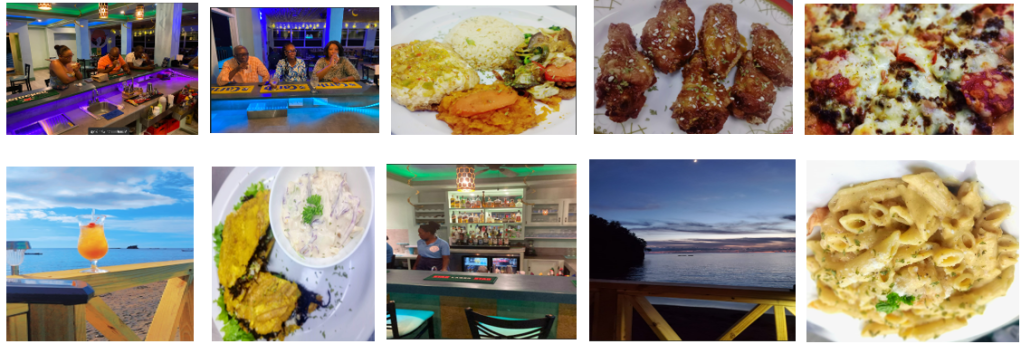
    To my pleasant surprise, RHE Beach House Restaurant and Bar was a true delight that far exceeded my expectations. The food was not only delicious, but it was also artistically presented, making each dish a feast for the eyes as well as the palate. The ambience, with its soft lighting and tasteful decor, was mesmerizing, creating a welcoming atmosphere where I felt completely at ease, and the service was divine, with attentive staff who went above and beyond to ensure a wonderful dining experience. The indoor dining area is great, but you also have the delightful option of outdoor dining where you can savor your meal while facing the gentle breeze of the pristine black sand beach of Morgan’s Bay, listening to the soothing sound of the Caribbean sea lapping against the shore. RHE captures the true essence of St. Vincent, specifically Bagga, a famous fishing town known for its vibrant seafood culture. Bagga is particularly famous for its delectable blackfish, and RHE delivered blackfish in various enticing forms—blackfish plantain cup, blackfish cakes, and an array of beautiful flavors that showcase the culinary heritage of St. Vincent. Each dish was a reflection of the local culture, crafted with fresh ingredients sourced from nearby waters and land. Additionally, upstairs houses a three-bedroom guest house, providing guests with access to shelter and food, as well as a luxurious experience that includes lounging on the beautiful black sand beach, making it the perfect destination for anyone looking to unwind and indulge in the natural beauty of the island.

    When I visit St. Vincent and the Grenadines, RHE’s is an absolute must on my list of places to eat. There are many reasons why I hold this restaurant in such high regard: its unwavering diligence in highlighting our local natural foods, the innovative way it brings together a variety of our distinct flavors to create a unique culinary experience, along with its quaint and charming location that adds to the overall ambiance. Additionally, the staff consistently showers patrons with attentive and winning service, ensuring that every visit feels special and memorable. The combination of these elements creates a dining experience that is both enjoyable and enriching. In short, RHE’s has a genuine Caribbean flair that shines brightly through every dish and interaction. Its unique brand of authenticity is simply second to none, making it a culinary gem that I highly recommend to anyone visiting the island.
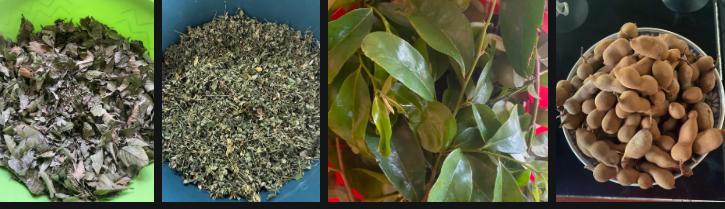
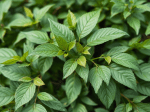
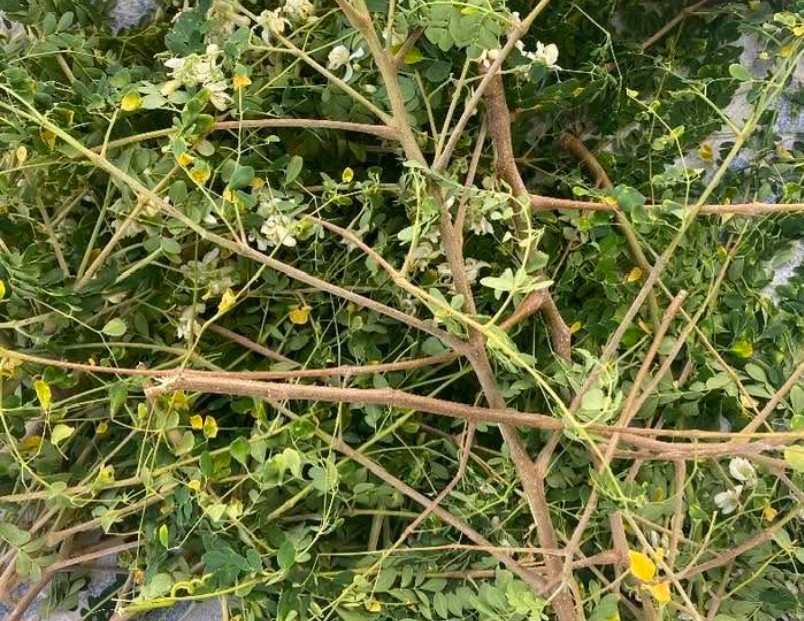
  • Guava leaves Moringa leaves Soursop leaves Tamerinds

    Being in the Caribbean has allowed me to live a greener, cleaner lifestyle, surrounded by nature’s bounty and rich biodiversity that continually inspires me. No need to order natural products on Amazon or wonder if something is really natural or real; I get my food straight from the land. I was never one to rely heavily on medication unless absolutely necessary, often seeking alternatives that align with my values. However, as I age, I become increasingly conscious about what I consume, understanding that the food I eat plays a significant role in my overall well-being. I always visit my doctors when feeling unwell and follow their guidance closely, ensuring I stay informed about my health. Yet, I firmly believe in using herbs and natural foods to maintain my health, often turning to age-old remedies passed down through generations. It’s crucial to conduct thorough research and consult with healthcare professionals even when utilizing herbs, as some can interact negatively with certain conditions or medications. Just because something is healthy doesn’t mean it’s the best choice for everyone; individual responses to various natural substances can vary considerably. This article aims to encourage a more holistic lifestyle, with the hope that it may contribute positively to one’s health journey.

    My daily tea consists of a blend of Moringa leaves, Guava leaves, and Bay leaves, complemented by Turmeric, Ginger, cinnamon, and green tea, each ingredient chosen for its unique health properties. This mixture typically energizes me and is said to offer numerous health benefits, enhancing my vitality and focus throughout the day. For a midmorning snack, I enjoy Tamarinds or Tamarind balls, which are reported to be good for dry eyes; since incorporating them into my diet, I’ve not experienced a flare-up, showcasing the value of small dietary adjustments. My breakfast often features fish with breadfruit or steamed sweet potatoes, both rich in nutrients and delicious. Occasionally, I indulge in a slice or two of whole wheat bread, appreciating its heartiness and fiber content. I’m not particularly fond of rice, but I do treat myself to a few spoonsful from time to time, often opting for ground provisions and steamed vegetables instead, as they are both nutritious and flavorful. When I do eat rice, it’s usually brown rice, which I consider a healthier choice due to its higher fiber content. My dinners tend to be as simple as cornmeal or oatmeal porridge, sweetened with honey. While I do use sugar sparingly, I prefer brown sugar, to keep my meals as tasty as possible.

    I’m grateful to the good Lord that I only take one medication for being borderline hypertensive, and my goal is to take care of myself to minimize the risk of needing more. I heed my doctor’s advice but prefer not to seek chemical solutions first, believing in the power of holistic practices and lifestyle changes. I recognize that life has its ups and downs, and I strive to find holistic methods to manage stress, such as mindfulness and breathing exercises, although I wouldn’t hesitate to take medication if it’s needed. When I need to soothe my nerves, I brew tea from soursop leaves, which I find especially beneficial for insomnia and relaxation. Nevertheless, I’m not someone who would reject medication when required, knowing that balancing natural remedies and conventional treatments can sometimes be the best approach for maintaining optimal health.

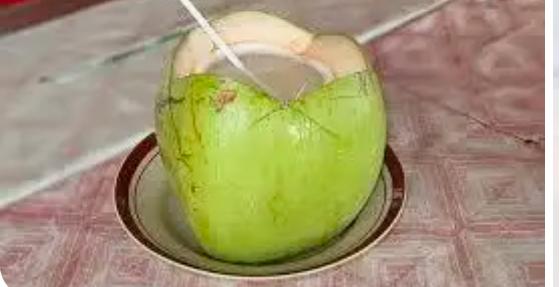
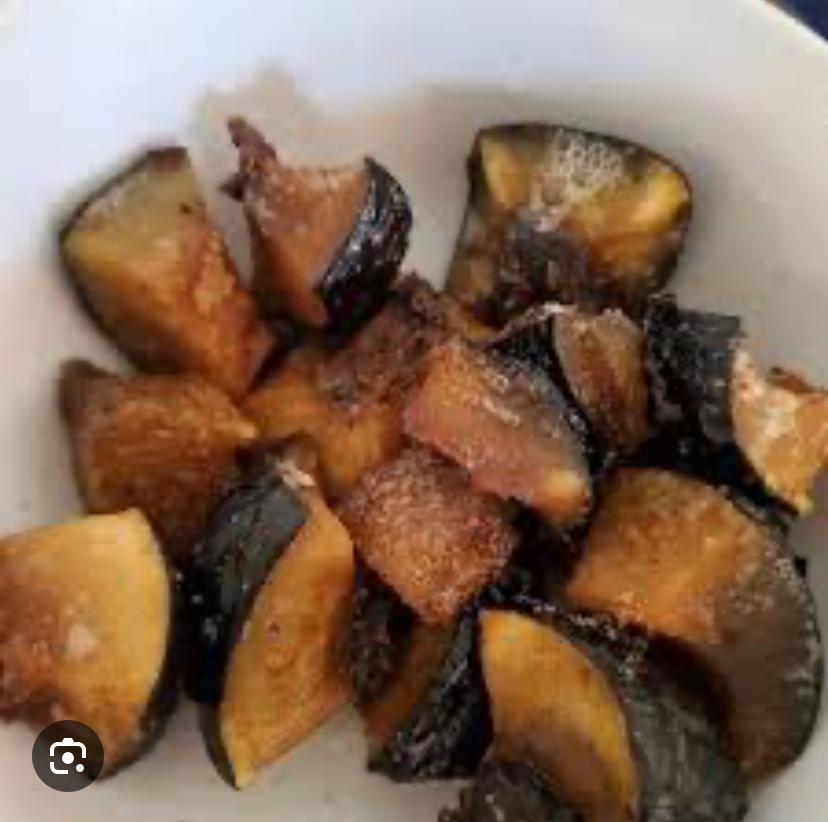
  • Blackfish Crips and Coconut/Waternut

    Living in the bustling state of New York, I grew used to conveniences at my fingertips. I took such things for granted, because they were always there, and I never saw it as something that, in some ways, can adversely affect my health. If I needed something in the pharmacy, bank, or supermarket, it was right there, almost like a comforting blanket of accessibility that wrapped around my daily life. When I felt like working out, the gym was close by, and there were scores of fast-food restaurants around me, making it all too easy to indulge in unhealthy choices at a moment’s notice.
    Stepping out to life in the Caribbean may seem like moving to a less developed lifestyle, but in some ways, it may be a blessing in disguise. I may not have many businesses close by, but that only forces me to walk more, reconnecting me with the simple pleasures of life. I may not have access to a gym, but I mentioned in an earlier post that I got in the habit of walking back and forth in my hallway 50 times per day, which has become my way of incorporating exercise into my routine. So, I get my steps in, and I also get additional exercise from walking to the store, the beach, or around the city to do my shopping, allowing me to soak in the vibrant surroundings, the colors, and the sounds of life. I eat more homecooked foods because there is no Domino’s Pizza or McDonald’s, or Wingstop close by, so I know what I am putting in my body, making conscious choices about my nutrition.
    Not only do I eat more homecooked foods, but I eat healthier options as well, finding joy in having meals prepared for me from scratch, with locally sourced ingredients. My salads are made from fresh, organically grown vegetables, and so is my meat, often acquired from local butchers who take pride in their skills. Although I spend a lot of time in front of my laptop writing, I always make sure to get up regularly and move around the house, stretching my limbs and refreshing my mind. I spend time visiting relatives and engaging in hearty reminiscences of our life in days of old, sharing stories that connect us to our roots and heritage. I embrace the country as it is today, understanding that times always evolve, but I try to maintain some of the old customs, which enrich my life with a sense of continuity. Most importantly, I remove my American lens from the way I view the Caribbean, striving to appreciate its uniqueness and cultural richness.
    My view is not that of a tourist who visits the Caribbean via a resort or who gets driven around by a tour bus. I see nothing wrong with that indulgence, but the Caribbean is most beautiful in its natural form, when you live in a town or village among the people or jump into a minibus to get around, feeling the sea breeze and the warmth of the sun on your skin. There is also something special about stopping at a stand in the local market or along the road to buy some fruits and vegetables or drink some coconut water straight from the nut, experiencing the true flavors of the region. Let’s also not forget the roast corn the vendors sell by the roadside, a simple yet delightful snack that reminds me of the joy found in local cuisine.
    This past Friday, I attended the local Fish Fest in the fishing town of Barrouallie, which turned out to be a delightful highlights in my new life. There was a live band playing infectious rhythms, and vendors selling a myriad of fish and local dishes around the town, filling the air with tantalizing aromas that beckoned everyone to indulge. There was a sea of people from all over the island who converged on Barrouallie, coming together as a community to celebrate the abundance of the sea. My main interest was eating some blackfish crips, which are a local delicacy, native to that town for ages, evoking a sense of nostalgia as I savored each bite. The oil from the blackfish crips, which is rich in omega-3 fatty acids, is said to have great medicinal value for everything from the common cold to cardiovascular issues, enhancing my appreciation for the food I consume and its connection to well-being.
    The Fish Fest was not an event in my days growing up in Barrouallie; it was clearly developed to showcase the town’s tradition while creating an economic outlet for local vendors and fostering a sense of belonging. This was a moment for me to sit and hold onto traditions while embracing healthy changes, realizing the balance between preserving our heritage and adapting to new realities. Differences are healthy; it’s not better or worse, it is just different, reflecting the diverse experiences that shape our lives. Change is good if we are not abolishing our traditions but rather finding ways to showcase and highlight them, like this vibrant festival that celebrates our culture while weaving in the threads of modernity.

  • The beauty of being in the Caribbean is that you have continuous access to natural, organic, and fresh foods. Since arriving here, I have enjoyed a seemingly endless array of fruits, vegetables, and spices. I’ve had the pleasure of receiving breadfruit, sweet potatoes, eddoes, plantains, turmeric, sorrel, golden apples (June plum), passion fruits, and even a few mangoes, which, interestingly, are not in season at the moment. The experience of being able to pick moringa leaves straight from the tree is something that truly enriches my life. While I am not dismissing the convenience of Amazon, which has allowed me to purchase some of these leaves and herbs, it undeniably feels refreshing to get organic, fresh leaves and spices locally to enrich my meals, especially when preparing dishes that utilize the amazing benefits of my moringa tea.

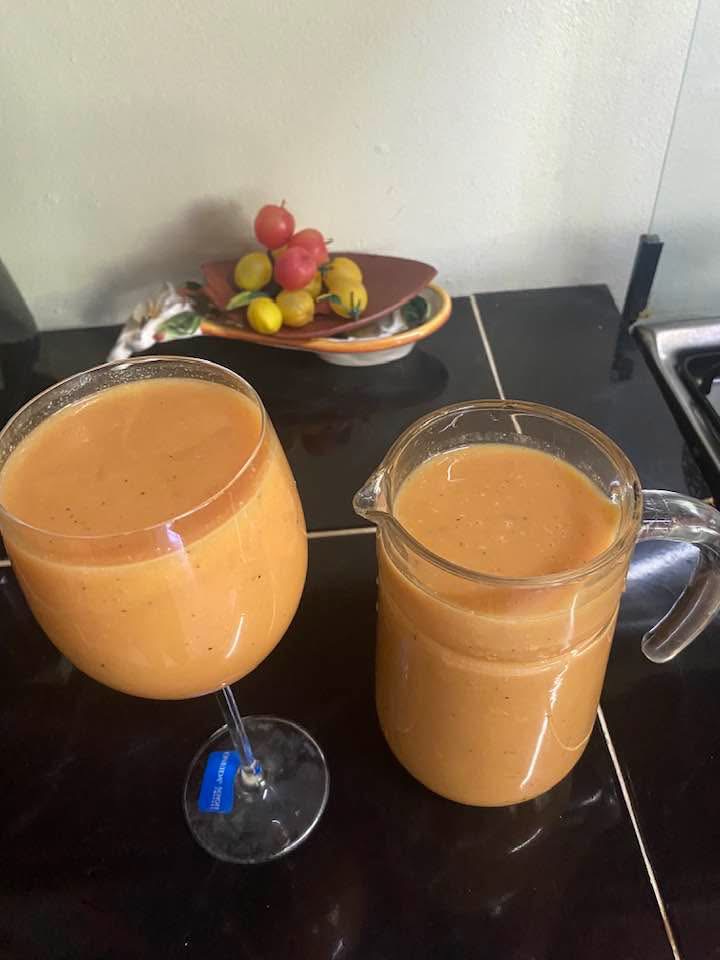
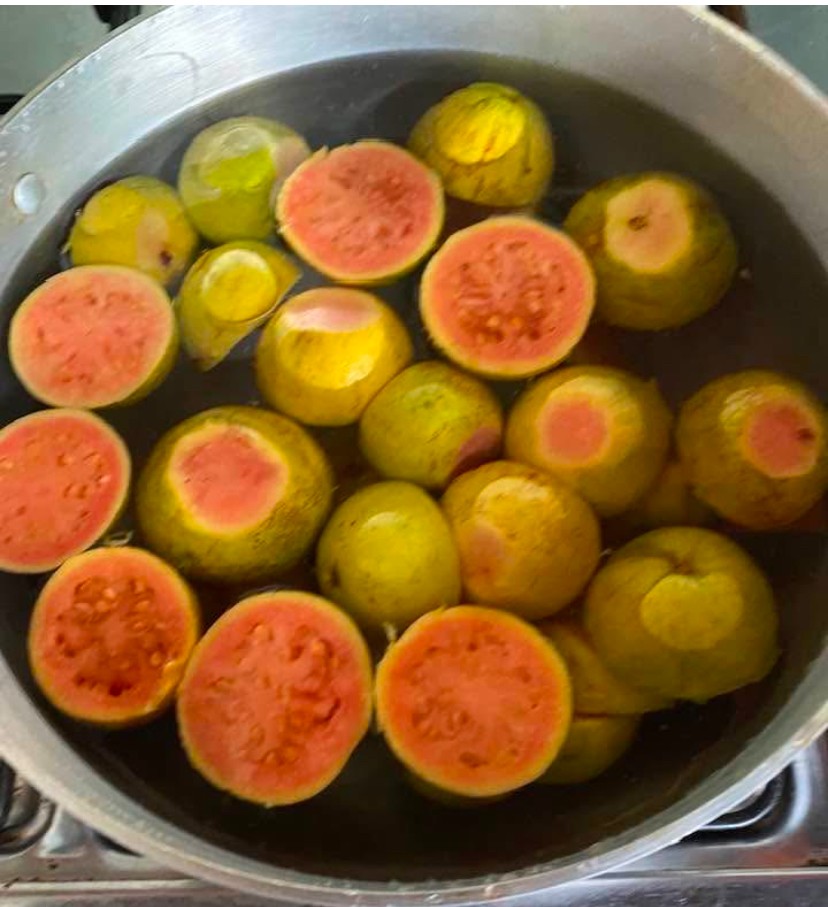
    With an abundance of guavas on my property, there is no shortage of guava jam and jelly in my household. I am able to start each day with a nutritious power shake made from a mix of guavas, golden apples, and passion fruit. The addition of turmeric and ginger creates a delightful and energizing blend that packs a powerful punch of health benefits. And let’s not forget the invigorating sorrel beer and Mauby drink that adds a local flair to my drinks.


    This lifestyle is reminiscent of my upbringing. We produced most of our foods, fostering a deep connection to the land and nature. We would gather eggs from the henhouse, while my father took on the responsible task of milking the cows in the morning, diligently scalding the milk to kill any bacteria that might pose a risk. The animals we consumed were organic, a significant point we took for granted. My mother would either kill chickens or, depending on the occasion, a goat, sheep, or even a pig or cattle for the holidays. Occasionally, she would buy freshly killed meats from a local butcher, ensuring that these sources were trustworthy and free from any harmful additives. There simply were no hormones or chemicals present, reinforcing our wholesome approach to meals.


    Fish was an integral part of our diet and was caught fresh daily by local fishermen. They were often assisted by locals in pulling the nets in, ensuring a community-oriented effort. The fish were still flipping as they were sold to customers, with a portion of the catch netted out for their helpers who contributed to the labor. I vividly recall lying in bed yesterday at my parental home, awakening to the familiar sound of seashells blowing, signaling the fresh catch of the day. I am both thrilled and amazed to see that this traditional form of communication still exists, exemplifying a beautiful connection to the past and our local culture.


    However, it is bittersweet to witness how unhealthy and fattening foreign foods have begun to overshadow the more nutritious local options. I can’t help but feel a sense of urgency regarding this issue. I understand that one of the contributing factors to this trend is the harsh reality of life for many, where survival often takes precedence over health. When families abroad send barrels home to help ease the burden, it is usually welcomed for its cost-cutting measures. The intentions behind these shipments are commendable, but the result can be detrimental to one’s health, leading to a reliance on less nutritious options.


    So what, then, is the answer? Perhaps those of us living abroad should exercise greater mindfulness regarding what we choose to include in those barrels we send home. To elaborate on this, let me share my personal approach as an example. I make a conscious effort to ship whole grain rice, but I complement that with locally sourced whole wheat bread and brown sugar to maintain balance. I’ve also sent occasional corned beef and tuna for when the desire for a picnic strikes, but I ensure I am sourcing fresh meat and fish from local markets. Instead of opting for sugary drinks laden with artificial colors, I prefer to create my own refreshing beverages such as homemade lemonade, sorrel drinks, and vibrant fruit shakes. I make an effort to consume more breadfruit and steamed vegetables than regular bread; although I do enjoy bread, I ensure that it is whole wheat to prioritize my health.


    I am not a farmer by profession, but as I embrace my time here in the Caribbean, I find myself increasingly interested in exploring small-scale farming ventures. The potential for growth and self-sufficiency in that realm is exciting and nutritious. Most importantly, it can make a significant contribution to a healthy lifestyle. There is nothing more important than know what you put into your body.


    In summary, while I do send items from abroad, I strive to include the healthiest options available, especially while navigating the limitations of securing truly organic, fresh foods abroad. I make it a point to utilize local foods as much as possible and remain mindful of my own health choices. To complement my lifestyle, I place an emphasis on staying active. Although there is no gym or specialized equipment nearby, I stay engaged through a variety of chores around my home. I often utilize a very long hallway for exercise, walking back and forth 50 times and incorporating some girl push-ups into my routine until I can eventually ship some proper equipment down. When life throws you lemons, I believe in making lemonade out of those challenges. Ultimately, we are all tasked with surviving and thriving in the best ways we can; let’s embrace creativity and resourcefulness in our quest for health and well-being.