My trip to St.Vincent and the Grenadines was a short but very productive one, filled with mixed emotions and unexpected challenges. My daughter and grandson arrived a week ahead of me, excited to explore the beauty of the island. The plan was for me to meet them there and return two weeks later, a week after they depart for New York. It all started on a high note, with laughter and the joy of family togetherness, until we received the heartbreaking news that our beloved pet dog Rambo was sick with lymphoma (cancer of the lymphatic system). Panic set in as I realized that this could be a life-altering situation for us. I immediately bought a ticket to return with my family a week before my scheduled return, prioritizing Rambo’s health and our need to be with him during this difficult time. To date, it is my shortest trip to St. Vincent, marked by both treasured memories and a profound sense of potential loss. There were so many loved ones I never got to see on this trip, their absence palpable, yet I understood it was a necessary exit to make it back to our little buddy, whose wellbeing weighs heavily on our hearts. For many, he is just a dog; for our family, he is a cherished family member who has brought us countless moments of joy and unconditional love. His wagging tail and playful spirit serve as a reminder of the simple joys in life, and our bond with him deepens with each passing day, illuminating the importance of returning home to a pet who is dear to us. After a frustrating two-hour delay in St. Vincent, we finally made it back home, our hearts heavy with worry yet hopeful. Despite being sick and losing some weight, Rambo greeted us with sheer excitement and tail wags that filled the room with warmth. His caretaker for that week is a trusted family friend, who worked diligently to ensure he had a proper diagnosis and was cared for to the best of her ability. Despite his lack of appetite, she was able to spoon some food into him, gently encouraging him to take his cocktail of medications, all while showering him with affection, prayers and trying with everything she had to comfort and care for him. So now we continue to shower him with love, prayers, and hope for a miracle, so we could enjoy the little guy a little longer, cherishing every moment we have with him as he continues to fight this battle with all the strength he can muster.
Together in the end side by side. My parents’ marriage was a story of true love, a saga enriched by shared experiences, laughter, and occasional challenges that only deepened their bond. I have always said their love was a textbook study of true, healthy love, a rare gem that shone brightly in a world often filled with fleeting connections. They disagreed without being disagreeable, engaging in thoughtful discussions that showcased their mutual respect and understanding. As parents, they parented with one voice, able to navigate the complexities of raising 14 children with remarkable unity, and they never went to bed without each other, always cherishing those quiet moments of connection at the day’s end. I would always joke that that was the reason for them having 14 children, attributing their large family to their unwavering affection and commitment to each other. I visited their graves in Troumaca, St.Vincent last Tuesday with a melancholy spirit, the weight of nostalgia heavy upon me. Before heading to their gravesite, I picked them flowers from their yard in Barrouallie and made two small bouquets, longing to take a piece of the homestead to them, a reminder of the love that flourished there. When I arrived at their graves, it brought me great peace seeing them side by side, united even in eternity, a powerful symbol of their enduring love. Thanks to my cousin who always weeds their graves and places candles on them, ensuring that their resting place remains a testament to the love they shared. We spent 15 minutes plucking a few pieces of grass from their graves and talking to them, sharing stories and memories that felt alive in the air around us. It may seem strange to some, but I felt compelled to let them know I was okay, to share the milestones of my life since they departed. I brought my grandson Amir to visit his great-granny, a remarkable woman who loved him beyond words and cherished every moment spent with him. It was a heartfelt occasion as I introduced him to my father in spirit, a man he never had the pleasure of meeting but who undoubtedly lives on in our shared memories. Additionally, my grandson got to see where his great-great-grandmother, Eugenia Charles, was buried, a connection to our family’s past that I explained to him in detail. As I shared stories about his ancestors, including how my father was laid to rest in his mother’s tomb, Amir listened intently, his eyes wide with awe. What a day of family history it was, filled with laughter, tears, and a profound sense of belonging as I reminisced about the joys and challenges they faced. I thank both my parents for giving me life, for being my greatest supporters against the world, and for instilling in me the unwavering values of love, compassion, and resilience that guide me every day. May their souls continue to R.I.P. side by side, their legacy of love echoing through the generations they left behind, inspiring us to carry forward the principles that unite us as a family.
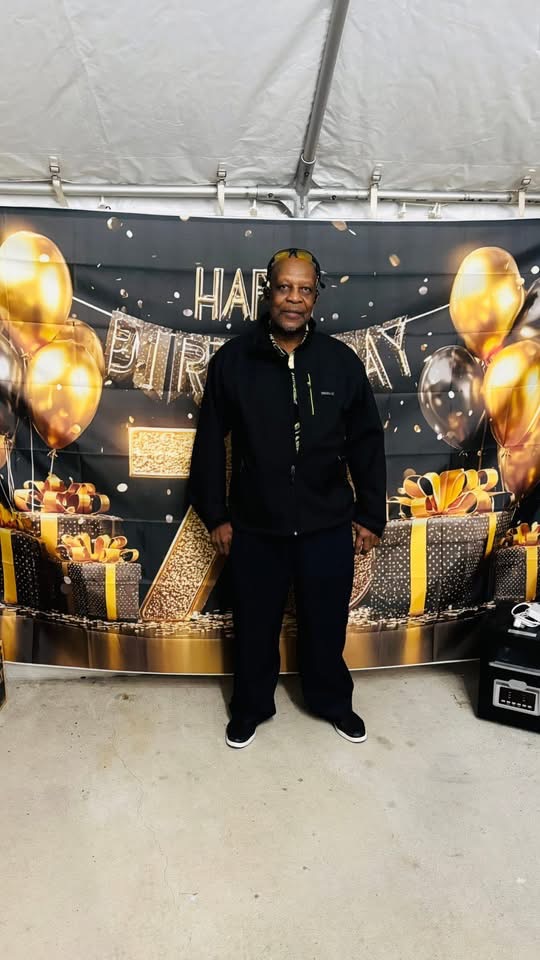
I have always said that my main love is not as a writer, but rather as a storyteller. It is my most effective form of communication. So please indulge me to tell this simple tale of love. Last night was a special night for our family, a night filled with love, laughter, and cherished memories. We got to celebrate our oldest sibling’s 70th birthday, a remarkable milestone that reflects a lifetime of experiences and wisdom. My brother Len had a birthday to remember, one that showcased how deeply he is loved and appreciated by his family. His wife and children went to extraordinary lengths to put on an epic event for his 70th, leaving no detail overlooked, ensuring that everything was perfect. His daughters, Maurica and Dia, along with his wife Sylvina, did a phenomenal job decorating the space. The vibrant colors and thoughtful touches created an atmosphere of joy, while the delicious aromas wafting from the kitchen hinted at some of the most scrumptious foods we could anticipate. Each dish was a labor of love, crafted with care and creativity, showcasing their culinary talents. My brother Junie and I had the crucial task of picking him up early for breakfast, a delightful opportunity to spend some quality time with him. The event was a surprise, so our job was to keep him occupied while the preparations were in full swing. It was heartwarming to share stories and laughter, reminiscing about the past and discussing what the future holds for him. Through careful coordination, we arrived at the event to a waiting crowd, their faces echoing waves of nostalgia and excitement as they eagerly anticipated his arrival. The music was beautiful, selecting his favorite tunes that transported us back in time, and the ambiance was mesmerizing, enveloping us in a warm, familial embrace. But my favorite part of the evening was undoubtedly the tributes. Tears were flowing, each word spoken a testament to the impact he has had on our lives. I imagined our dear mother was fluttering overhead, smiling down on the gathering with pride as we celebrated not just his birthday, but the incredible man he has become.
As I stood looking at the event, I looked back at our days in Camden Park, St. Vincent and the Grenadines when our mother was running late from early morning shopping, how he would fill in by twisting me and my sister’s hair into hysterically looking pigtails, preparing us breakfast and taking us down the steep slope of Eddy Hill, before walking us up to Lowmans School. Before the age of 10, he could cook, clean, and wash like any adult, no doubt a weight put on him as the oldest child. But he did it with grace, always making us feel special and safe that he had our backs. So it was special to look back on the last 70 years of his life. But yesterday was special not only because he turned 70 years, marking a significant chapter in his life, but also because less than a year ago he faced a serious car accident that almost cost him his life. To see him return to good health and celebrating this milestone is a beautiful thing that fills our hearts with gratitude. Most people get those tributes only when they are dead and can’t hear them, but my big brother got his roses while he is alive and strong, surrounded by those who love him most.
As the patriarch of the family, he is special to us, a guiding light who has always been there in times of need. We truly appreciate his contributions to his family and us, his younger siblings, who look up to him with admiration. He is a man of few words packed with wisdom, a quiet strength that shepherds his flock with firm but loving hands. His presence grounds us, and his guidance helps us navigate life’s challenges. Happy birthday, big brother. We love and appreciate you more than words can express, and we look forward to creating many more beautiful memories together in the years to come.
Like most people, my ability to embrace change is very difficult. As someone who just went through some serious changes, I am very mindful of the importance of letting go. In 2024, I retired from my job after almost 30 years, a milestone that felt surreal and momentous. One month after I retired, I lost my beloved mother, a profound loss that left an indelible mark on my heart. Six months later, my only son informed me he wanted to join the military, a decision that both filled me with pride and anxiety. It was a tumultuous time, to say the least, a whirlwind of emotions that made daily life feel like navigating through a storm. But my motto of making lemonade when life threw you lemons prevailed, and I found myself diving deeper into self-reflection.
I hatched a grand plan: I was going to get into my writing career full-time and spend time in the Caribbean, an escape that represented both a fresh start and a healing journey. It was a vision that felt vibrant and invigorating, one that promised adventure and exploration beyond the familiar rhythm of my everyday life. However, there is a saying that when man/woman makes plans, God has other ideas, and soon I found myself at a crossroads. The decision loomed over me like a gray cloud, as I debated whether to sell my house, a space filled with years of memories and cherished moments. My daughter was in the market for a home, and after much deliberation, the decision was made to sell her my house, allowing me to stay with her while still spending my winters in the Caribbean.
I am a typical Caribbean woman of a certain age, deeply connected to my roots and heritage, which shape my identity and perspectives profoundly. I love antique furniture—the large china cabinet, credenza, antique chairs, and Queen Anne center table; they are more than just items to me; they are treasures that tell stories of the past. I always believed that they were the epitome of elegance, embodying a rich sense of character and history. Out of respect, my daughter decided to create my own living room and put her own touch in the rest of the house, which I appreciated, yet I couldn’t help but feel a sense of loss, a longing for the way things had always been.
The china cabinet was too big for my newly configured living room, so I decided to see if anyone wanted it, thinking it deserved a good home. My antique credenza was priceless, or so I thought, brimming with memories and stories only I could appreciate. So, I placed an ad on Facebook Marketplace as well as in my community WhatsApp chat, hoping to find someone who shared my appreciation for these items. However, the response was underwhelming. One lady showed up for the China cabinet and immediately declared that it was too big for the space she had, leaving me momentarily deflated. No one even showed interest in the credenza, and I scratched my head in wonderment, grappling with the perplexing thought of how everyone could not see the beauty in my priceless antiques.
Days turned into weeks, and with a heavy heart, I eventually decided to call sanitation for a special pickup truck, a decision that felt like a final farewell to a significant chapter in my life. I stood on my patio as the truck crushed my beautiful pieces of furniture, screaming “noooo” the whole time, a visceral reaction that echoed my heartbreak. My heart was breaking with each piece destroyed, and I felt that I would never get the image of those beautiful furniture being crushed out of my head, a haunting memory that lingered like a painful shadow over my spirit. It felt like a symbolic severing of ties to the past, marking the end of an era, and with it a spectrum of emotions that were hard to process.
Winter rolled around, and my thirst for the tropics took over; the allure of sun-soaked beaches and vibrant sunsets became impossible to resist. So, off to the homeland I went to mend my broken heart, seeking solace in the familiar warmth of the Caribbean sun, where I hoped to find healing amidst the gentle waves and fragrant breezes that had once brought me joy. The days there were painted with hues of tranquility, allowing me to reflect on the life I had lived and the significant transitions that had sculpted my journey thus far.
About a month and a half into my trip, I received an email. Someone wanted to interview me. I felt it strange because I did not apply for the job, it turned out they must have gotten my resume from a job board I had posted my resume on years ago. I did the interview and never expected to get called. About six weeks later I got a call that they wanted to check my references. At this point, a part of me was hoping they wouldn’t give me the job, because I had my retirement all planned. I returned to New York torn between staying retired and getting back in the job market. My apprehension grew as I reflected on my previous work experience in corporate America and the private sector; this job was a government position with a union, presenting a different environment from what I was used to.
My daughter did not think I should accept the job. “Ma, why would you want to come out of retirement?” she asked, her voice laced with concern for my well-being. “Try being locked up in a house all day talking to a dog who can’t answer you back?” I chuckled at her with humor, realizing that her concern was rooted in love. So, with a mixture of excitement and nervousness, I decided to give it a try. I went through my training and finally made it to my post. The first day, I fully expected to hate it. But surprisingly, to my delight, I loved the job and the team more than I could have ever anticipated. As days went by, my admiration and enjoyment for the work grew deeper.
Through this new chapter, I discovered a few enlightening truths about myself. I am quite adaptable; change, I realized, is necessary and healthy. We just have to let go of old stuff and ways of doing things and embrace the change that life presents us. The fear of change can often paralyze us, holding us back and bringing unnecessary pain. However, if we can release our baggage and face the changes in our lives, it could lead to beautiful new beginnings. Today, I don’t dwell on that furniture I lost; instead, I cherish the memories and lessons learned. I still have my chairs, side table, and Queen Anne table, remnants of my past that now feel like beacons of what I have overcome.
It dawned on me that I didn’t need to clutter up my space simply because I was afraid to let go of the old. My daughter eventually added a fireplace, did the floors, and bought new furniture that brought warmth and modernity into the home. And although I wouldn’t say it out loud, I recognized she has great taste, and I am growing to love her modern style. As for the pieces I once thought were to die for, I must admit they weren’t that cute at all in hindsight. One day, my daughter asked if I needed her help decorating my living room space. I was tempted to say no, wanting to hold on to what I thought was my vision. But I decided to accept her help this time. Surprising to me, with just some decorative cushions here and a few other thoughtful decorations there, my space transformed into something remarkably beautiful, while still maintaining it’s antique essence.
This experience reinforced a powerful lesson: Change is a healthy thing. Letting go can be liberating; it allows us to embrace new opportunities, expand our horizons, and revitalize our lives. When we hold onto the past, we often stifle our potential and limit our growth. By choosing to release old habits, fears, or even relationships that no longer serve us, we create space for fresh beginnings. Take a deep breath, step into the unknown, and embrace a healthy change, for it is through these transformations that we cultivate resilience, innovation, and a renewed sense of purpose. Each change brings with it a chance to learn and adapt, encouraging us to explore paths we may never have considered before, ultimately leading to a more fulfilling existence.
In life, we all go through something at some point – the loss of a loved one, a job, illness, or some type of tragedy. During any crisis, it is only human to feel overwhelmed. But someone once said, 10 percent of life is what happens to us; 90 percent is how we handle what happens to us. Do we stress endlessly, becoming bitter, or do we reach for the positives? Ask yourself this question: Who or what is my lifeline when I have a problem? Do I have ride-or-die people around me? If you can identify your lifelines and utilize them appreciatively, then most of your issues would be manageable.
Let me share a personal story and how I was able to persevere through one of the toughest times in my life. Ten years ago, I experienced an unexpected fire at my home just months after going through a divorce. The divorce was a decision I made, yet it brought its own set of stresses and emotions that were difficult to navigate. Compounding this with the aftermath of a fire that left me instantly homeless was nothing short of traumatizing. That feeling of uncertainty and fear invaded my life, but I knew I had to find a way forward. My kids were counting on me to be that Mama Bear they expect to pull us through this episode.
Our insurance company wanted to put us up at a hotel while they located temporary housing. However, having just suffered a tragedy, I thought it might be more comforting to stay with one of my siblings for a few days while we searched for a suitable house. I felt that staying at a hotel, relying on takeout food and living out of a suitcase would be far more stressful than being in a familiar environment, even if things were complicated.
This sibling was someone I brought to this country and who lived with us for years. We expected them to show kindness and support during this brief moment of transition. However, the experience turned out to be quite awkward. My kids were placed in a dark basement, which felt isolating and unwelcoming. While we couldn’t say she was overtly rude or cruel, there was a subtle sense of not being entirely wanted there, and it weighed on us. On the second day, one of my children looked at me and said, “Ma, we are clearly not wanted here.” I found this particularly painful because the house had six bedrooms, and we had seen her welcome non-relatives with open arms. Yet, here we were, relegated to a dark basement on couches.
Understanding the message behind our uncomfortable situation propelled me into action. I was out of there like a bat out of hell, determined to find us a place to live. With the help of another sibling, we were able to locate a new house within three days and moved in on the fourth day. During this tumultuous period, our neighbors and school community back home proved to be incredible sources of support. The principal and teachers were nothing short of fantastic, and our neighbors constantly checked in on us to see how we were doing. It filled my heart with gratitude to live in a community with such a big heart, and I will never forget the warmth and love that surrounded us.
The experience of adjusting to our new rental home was surprisingly beautiful. We met wonderful neighbors who had children my kids’ age, and we quickly learned what it meant to have supportive neighbors. Additionally, we were fortunate to have an excellent landlord who became a friend over time. My children, through it all, never once complained. They handled the upheaval with resilience that left me in awe.
We spent a year and a half in the rental, but eventually, our insurance reached its limit in covering the rental costs. Due to contractual issues, our original house was not completed, and we found ourselves in a tough situation without a fully functional kitchen and with no gas turned on. Our landlord, however, arranged for her contractor, whom she regularly employed for her rental properties, to complete our house. This turned out to be a true blessing.
Faced with the decision to either move in with relatives again or to occupy our unfinished house, my children surprised me with their response. They looked at me and said, “Ma, we don’t care how cold our house is or if we have to bathe out of a bucket, let’s go home.” Those words carried so much weight. When we arrived at our home, we were met with cheers from neighbors who slowed down to welcome us back. It was a heartwarming moment that reminded me we were never truly alone during this journey.
While the contractor did not specialize in kitchens, by the grace of God, my brother Junior, who is a cabinet maker and another one of my unwavering supports, worked tirelessly to install our kitchen. It took us a few months of buying takeout food and taking bucket baths until the construction was completed, but eventually, everything came together perfectly.
Looking back, that ordeal allowed me to clearly identify my ride-or-die crew—the support base that stood by me through thick and thin. Thankfully, I didn’t have to look far; they were all around me, ready to lend a hand whenever I needed it. I will never forget that experience. It not only showed me the strength and character of my kids but also highlighted the deep sense of community and the type of neighborhood I reside in. I wouldn’t trade it for any other place in the world.
Moreover, I had a true support system in my friends, who continually checked in on us and made an effort to take me out, helping to lift my spirits during such a trying time. I did have one sibling who stayed with us and helped us settle back in upon our return. However, the sibling who made us feel unwelcome she eventually went through her own traumatic situation. While it would have been easy to repay her unkindness in kind, I chose to show her grace instead. That experience taught me invaluable lessons about ingratitude, resilience, and the beauty of having a solid support system. The most beautiful thing is that they are right beside me, reminding me every day of the importance of love, compassion, and community in overcoming life’s challenges.
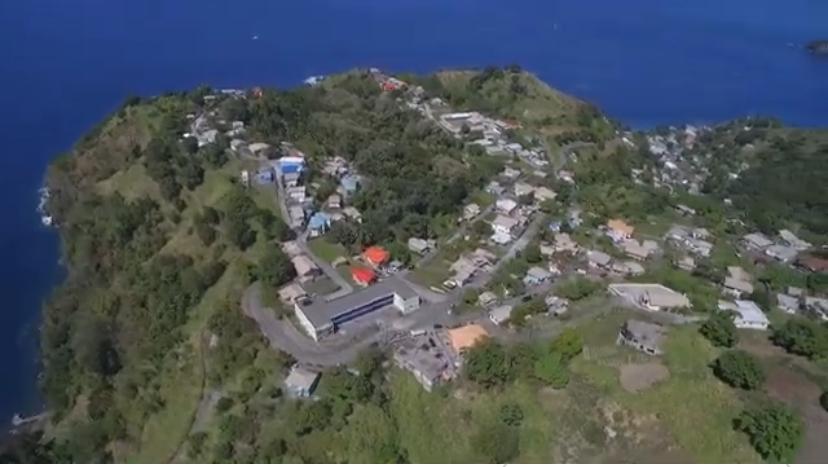
I am uncertain if this is normal or something I should overcome, but I often find myself yearning to seek out remnants of my past – the places I lived, the locations I used to visit, and the activities I once engaged in that shaped my identity. At times, it’s mere curiosity; at others, I want to bask in the joy of reliving the snippets of our culture that still exist, those moments that evoke feelings of nostalgia and warmth. As I drive along the Leeward (Western) side of my beautiful homeland, lush with nature’s green foliage and warm breezes that gently caress my skin, I often gaze at the houses we lived in that still stand strong or the sites I frequently visited during my childhood. For some houses, I wonder – does that house still stand resilient against the elements, or is a stone or rock all that’s left, a mere ghost of memories past? I often ponder what happened to certain individuals or families – where are they now? Some may experience only a fleeting thought or moment of nostalgia, but for me, this longing runs deeper; I crave details, the stories intertwined with each place and person. I frequently reach out to my sister Lexie to inquire about those days gone by, as, despite being ten years my junior, she reliably fills in many pieces of the puzzle about my distant past, providing insights and snippets of conversation that breathe life into the memories I hold dear and help me to reconnect with those fragments of my history.
Our father worked for the government, leading our family to several locations on the island. But my life began in the hilly village of Troumaca; my roots lie on G-Piece Hill, quite literally a hill on top of a hill. Fortunately, our family still owns that land today, allowing me to visit and stand on the ground my great-grandmother once walked upon. Although I never met her, the imagery relayed to me by my mother and grandmother paints a vivid picture of this ambitious and beautiful woman. A farmer who cultivated the land and raised cattle, pigs, and donkeys, Jucilla James (Nenen, as she is affectionately known to us) was undeniably a formidable woman. Humble in her ways, she was famous for having numerous godchildren, many of whom she raised, nurturing them with love and wisdom. She asked for little, only a plea to my grandmother to pay her land taxes and ensure our family never lost the land, a remarkable testament to her enduring spirit. My grandmother echoed this sentiment to her children, embedding that mentality within our family and enabling generations to maintain ownership of the land that connects us to our Nenen.
I still remember my early days in G-Piece with my cousins, sliding down the hill on a coconut branch, pretending we were sailing on a ship, the warmth of the sun on our backs and the laughter ringing in the air. In my mind’s eye, I still see the boys playing cricket on the portion of the hill they excavated to create a cricket field, their shouts of excitement mingling with the sounds of nature. I fondly recall the coconut tree named Stanley Coconut Tree, a monument to my Uncle Stanley, who passed away as a toddler. Erroneously, I believed he was buried under that tree until my mother explained it was his navel string or umbilical cord laid to rest beneath it, an old custom that tied us to the land in a deeply personal way. Back in those days, it was customary to bury the umbilical cords of babies and plant some sort of tree upon it, a practice that served as a comforting reminder of our connections to both family and earth. The landscape of G-Piece was filled with various trees – Jamaican plums, golden apples, coconuts, mangos, and cocoa trees, each holding its own special story and memory. I vividly remember the scent of jumbie Barsum, a wild mint that flourished throughout G-Piece, the way its aroma would mix with the earthy smells that arose after a rain shower.
My grandmother, “Ma St. Hill,” owned a modest home inherited from her mother Nenen, where I was born, a sanctuary filled with warmth and love. That house brimmed with laughter and joy in my childhood; I can still hear the giggles as Ma St. Hill would share jumbie (ghost) stories while we huddled on her lap in her morris/rocking chair, her gentle voice weaving tales that danced between reality and folklore. She would rock us gently as she sang songs, like “Peter was a fisherman,” always ending with her traditional “Aaah ha, Aaah ha,” a sound that brought a smile to our faces and comfort to our hearts. The highlight of our evenings often involved listening to Radio Antilles on the large transistor radio perched prominently atop a shelf in the small living room, filling our minds with the rhythms of the time and the stirring voices that sang through the airwaves. I can still envision my grandmother tucking what seemed like an army of grandchildren into her expansive four-poster bed at night, the laughter fading into delighted whispers as we settled down. The bed strangely felt larger than the small house it occupied; it was a sanctuary of warmth and love, where dreams intertwined with the stories of our ancestors. I am unsure how that bed accommodated so many of us, but we all yearned to sleep next to our beloved Ma St. Hill, drawn together not just by blood but by the stories that wrapped around us like a cozy blanket.
A large water tank stood conspicuously at the side of the small house, a remnant of days gone by when it provided water for the family and neighbors, a lifeline in the heart of our land. My mother eventually installed water pipes on the property, transforming the water tank into a makeshift pool for us to swim in. We would splash around until we were waterlogged, only to be called inside by our grandmother for supper, her voice echoing like a bell, summoning us to the table filled with hearty food. Even today, I remain in awe whenever I stand on that land, envisioning my Ma St. Hill singing hymns slightly out of tune with her aging voice, yet full of love that transcended any musical notes. There was no television or phone; we lived in a world where our imaginations entertained us, and teachers, books, and life experiences educated us, nourishing our minds as much as food nourishes our bodies.
Ma St. Hill had a knack for creating something delicious from whatever the land produced. I remember the wild coffee she ground, the fragrant aroma wafting through the air, blending with the scents of home. The tapioca and madumgo dumplings she baked in her iron pot were a treat, warm and satisfying, and the sweet taste and aroma of her delectable coconut cakes still linger in my memory, a testament to her culinary magic. I still have vivid memories of my mother JC ascending the hill after a day spent processing cassava bread and ferine in the village, laying down her basket filled with ferine and cassava bam bam, a labor of love that brought us all together. Mixing the ferine with sugar, we would indulge in these treats until our little stomachs ached, laughter filling the air as we savored each bite. The next day, we would awaken to the scent of turpentine mangoes, golden apples, and plums, the fruits ripened by the sun offering a taste of heaven. I often ponder where my Nenen acquired that plant; it is not commonly found in St. Vincent, yet arguably one of the most delicious mangoes. As we indulged in the delightful fruit, I can still hear Ma St. Hill’s warning, “Don’t let the stem touch yuh mouth; it will bun yuh mouth,” a voice forever etched in my heart.
Like many families, our lives improved economically, leading us to relocate with our parents to other areas. However, G-Piece always remained in my heart, fostering an unquenchable longing within me, a tether to my roots that I couldn’t shake. Whenever I could, a visit to Ma St. Hill and G-Piece was pure delight, a pilgrimage of sorts that filled my spirit with joy and tranquility. Like moths drawn to a flame, I often gathered with my siblings and cousins there on weekends and school vacations, the laughter echoing through the hills as we played and created memories. Life in G-Piece was simple, playful, and filled with sheer joy, where every corner held a new adventure just waiting to be discovered. On Sundays, my grandmother led us down the hill to the Methodist church where most of us were baptized, the path well-trodden by our eager little feet. At the foot of the hill, we girls would spin in the powerful wind gusts that always swept through that area, reveling in the sound of our dresses’ stiff fabric against the rushing breeze, our laughter mingling with the wind.
Upon entering the church, Ma St. Hill would march her battalion of grandchildren proudly into the two pews she claimed, well aware that other parishioners knew better than to sit there, a testament to the respect she commanded. The village of Troumaca is fortunate to still be adorned with the church that holds countless memories from my childhood. Situated on a hill overlooking the Caribbean Sea, the songs of praise still resonate from my baptismal church on Sunday mornings, filling the air with hope and community. My relatives continue to attend services there, upholding the legacy of our great-grandmother, which soothes my nostalgic soul and links our past to the present.
My immediate family initially moved to the village of Campden Park, where my father worked for the government. I often wonder about the three houses we rented while there, pondering how many of them still stand today. I particularly remember Mother Edwards’ house, perched atop the rocky “Eddy Hill,” a place filled with laughter and stories that lingered like whispers in the wind. I also remember the fear I experienced whenever I passed my old neighbor’s house, who was reported to be a witch, no doubt a legend of the village. I remember running nonstop up the steep hill whenever I went past her house, believing the tale of black magic.
The house on Eddy Hill still stands out as one of my favorites. The expansive parlor welcomed visitors into the front of the large wooden house, with the “jump-up-and-kiss-me” flower thriving among the rocky hilltop, its vibrant blooms imbuing life into our memories. I can still recall using them as makeshift lipstick, giggling with my sisters and cousins, our imaginations turning simple moments into treasured memories. I also remember the gentle old lady who owned the house and lived with us for a month while awaiting a move in with her daughter; she was truly a kind soul, her smile radiating warmth. I felt sad to see her depart, knowing that her presence would linger long after she left.
Among the rocks of Eddy Hill stood my favorite snack: a large Bequia plum tree, its fruit a sugary treat that never failed to please. I would sneak up its branches to gather plums, defying my parents’ warnings about falling into the deep valley below, the thrill of mischief chasing me up the trunk. I can still hear my father’s footsteps at dawn, carrying water up the steep hill during the dry season to refill the tank we used for bathing, cooking, and drinking, a routine that showcased his dedication and hard work for our family. A promotion for my father led us to move to the town of Barrouallie, where our family home remains today. But I distinctly remember the two houses we initially lived in at Wallilabou, a picturesque outskirts of Barrouallie, each house holding echoes of laughter and warmth. I lived there with my family until I moved to the United States, a transition that came with bittersweet memories. Occasionally, I still visit one of these houses, now housing a government office, a reminder of the past wrapped in the fabric of change, but the other is so overgrown with weeds it’s impossible to see through the wild shrubbery, a stark symbol of time’s passage.
Regardless of where I live, Troumaca is ever-present in my thoughts, a ghostly reminder of the beauty and simplicity of life that once was. While the landscape may have changed somewhat, the stories and memories of our beloved Nenen and Ma St. Hill linger over that land, intertwining with my own journey, a rich tapestry that shapes my very being. If I could pen a letter to my great-grandmother Nenen, my grandmother Ma St. Hill, and my mother JC, I would express my gratitude for the stories they shared that ignited my curiosity and left me with such rich oral histories, each tale a thread in the fabric of our existence. I can only hope to honor them by passing on their legacy to future generations, ensuring that the essence of their stories continues to thrive and inspire. As my journey becomes intertwined with modern complexities, I aspire never to lose that sense of wonder and to hold onto the essence of what fuels my eccentric soul, embracing the past while navigating the intricate tapestry of life that unfolds before me.
As my memory sheds events to make room for the mountain of occurrences over my many years on this earth, few events remain a permanent memory in my mind – the birth of my children, the death of my parents, and the eruption of La Soufrière in 1979. La Soufrière is an active volcano on the island of St. Vincent. At 4,052 feet, the majestic peak hovers above the northern flank of the island like a giant claiming his turf. Growing up, I always heard stories of the volcano, whispered in tones of reverence and fear, and even had the temerity to climb it once, wanting to mesh the reality with the legend. The enormous crater in the middle of the mountain is truly one of the wonders of the world, a natural marvel that evokes both awe and trepidation.
I remember hearing that my paternal grandmother was a baby during the eruption in 1902 when her family had to flee their farm located under the volcano. The family was permanently relocated to the village of Troumaca, and this event resonated through generations, no doubt planting seeds of resilience and adaptability in my family. Years later, my great-aunts would take my father and his siblings back to the area to show them where their ancestral farm once stood, offering them a glimpse of a past both cherished and lost. This was no doubt a traumatic yet nostalgic reminder to them of a time lost, a nuanced tapestry of emotions interwoven with love and sorrow that shaped our family’s narrative. In my first novel, ‘Beneath The Golden Mango Tree,’ Felicia, the protagonist, shares some similarities with me when she recounts getting a visa to come to America during the 1979 eruption of La Soufrière. She, like me, believed that she might have gotten a visa because of La Soufrière, reflecting a shared experience that transcends mere narrative into something more profound. The island of St. Vincent was in disarray after that eruption – people displaced, school closures rampant so schools could be converted to shelters. The look and smell of ashes everywhere permeated our lives with a grim reminder of nature’s unpredictability; noses were covered to minimize inhalation of the ashes.
I remember that day vividly. It was Good Friday, April 13th, 1979. My family of 16 (my parents and 14 kids) lived in rural Wallilabou on the outskirts of Barrouallie, a setting that fostered strong familial bonds as we navigated life’s twists and turns. As is customary, my mother, my older sister, and I arose early to start the Good Friday tradition of baking hot cross buns for our family, an act filled with love and anticipation of gathering. Our father was the district agriculture officer at the propagation station, a role that kept him deeply connected to the land, and our mother ran a small shop and bakery from our home, which often served as a place for people working on the estate to get groceries and bakery items, creating a community space that welcomed everyone. Very early that morning, we heard the screams and shouts of people running past our gate, clinging to what little humble possessions they were able to grab, their faces etched with panic and fear that was palpable in the air. My mother ran to the gate. “What’s wrong?” she asked of the crowd as they ran along the narrow street, her maternal instincts kicking in. “E Soufrière ah blow,” one woman screamed. The news rippled through our home like wildfire, igniting a sense of urgency in our home. My mother yelled to me and my sister, “Make more cross buns and send me what you have,” she pleaded, her voice a mix of calm and determination in the face of chaos. I rushed a large container of hot cross buns to her as I dove back inside to help my sister start another batch, our family workforce rallying together in a time of crisis. One of my younger siblings joined our mother as she handed each fleeing person a cross bun, a small act of kindness that became a symbol of hope amid despair. Before long, my cousin Wesie from nearby Spring Village came by on a donkey, a sight that brought a wave of relief as family connections strengthened during tumultuous times. He held the smaller children on the donkey while the other family members walked briskly on foot, a makeshift caravan of love and support. “Where you all going?” asked Mother, her concern evident. “Cuz, wherever we could get a place to stay,” he responded, fear palpable in his tone. Being the big-hearted person she was, Mother invited the entire family to stay with us, instinctively knowing the importance of togetherness in times of upheaval. Luckily, we had an additional house in our yard that could accommodate them, a blessing in the form of space amidst chaos. Before long, my maternal grandmother and cousins arrived, and so did relatives from my paternal side, creating a rich tapestry of family intertwining as we braved the storm together.
With an already big family of 16, our house was crammed, but my mother never complained; instead, she adjusted to the circumstances, orchestrating chaos with grace and love. I remember her going into Kingstown to buy a couple of huge pots that were more like drums, representing our resolve to nourish and care for everyone around us. Cooking on a stove or even a coal pot was not an option with pots that size, and necessity became the mother of adaptability. My father erected several fireplaces comprising three large stones, ingenuity overriding inconvenience. My brothers plied them with wood gathered in the fields and meadows around Wallilabou, tinkering and collaborating in the midst of crisis. Callaloo and pea soups were regular meals, hearty and warm, symbolizing the unity that flourished even in adversity. Together, we huddled and cooked, ate, slept, and shared stories, reconnecting with the past and catching up on our current lives, weaving narratives that echoed the resilience of our ancestors. Echoes of La Soufrière’s fury surrounded us daily, as the volcano spat ashes around the island, shooting flames into the sky, its ominous presence becoming a part of our daily conversation. Its roar was heard deep into the center of the island, a haunting reminder of nature’s power and unpredictability. Since most Caribbean homes are built with ventilation, my father had to cover the ventilation spaces to keep the ashes out, a protective measure that underscored his dedication to his family’s safety. As luck would have it, we were the last family on that side of the island allowed to stay in our home; the decision felt like a breath of relief. The police stood by our gates each day to ensure no one went north without a good reason, an unyielding sentinel amidst chaos. Farmers were allowed to go to their farms to tend to animals and crops, a small semblance of normalcy in our disrupted lives. My mother was always there supplying the officers with food as they stood at their post, ensuring that humanity could shine through even in the hardest of times. One day, my grandmother needed something from her house up north in Troumaca, so my brother Bert, my cousin Steve, and I decided to trick the officers, knowing there was no malice in our hearts but a deep desire to assist our family and see up close what La Soufrière looked like. We knew they would let us go to check on our farm and animals, so we pretended we were going to the farm. After being hoisted onto a donkey we set out with my brother and cousin on foot, a young trio fueled by purpose and curiosity. All went well until we got to Troumaca, where the rumbles shook us to our core. The volcano started to roar, spitting fire and ashes furiously, its wrath palpable to our senses. I had seen remnants of its fury from a distance but not in full effect, and the sight was both terrifying and awe-inspiring. My brother and cousin ran to my grandmother’s house, grabbing what items she wanted, frantically yet determined. My brother helped me onto the donkey, urging it forward as we made our way back home, the urgency of the moment weighing on us heavily, but we were determined to help our grandmother. The days, weeks, and months that followed saw Barrouallie develop into what looked like a refugee town, with the displaced North Leeward (Western) residents trying to ride out the fury of La Soufrière and the residents exhibiting such humanity in accommodating as many as they could, embodying a spirit of solidarity while others stayed at the camps, creating a microcosm of resilience in the face of tragedy. The same scene played out on the North Windward (Eastern) side of the island, but I was not intimately a part of that side of events, as my perspective was rooted in the adventures and stories shared by those around me. I left for the US later that year, the air thick with memories of heartache and love intertwined. Most of the relatives had returned home, and camps were closed as life sought to regain its shape; but many people never made it back to the North, many lamenting that they could never live so close to the volcano again, their hearts forever marked by that experience. Every Good Friday, I remember that day in 1979 when the fury of La Soufrière caused such fear and destruction in its wake but rendered such emotions in human charity and delivered unexpected rewards. The crops that year were bountiful because of the fertilizing effects of the volcanic ash, a bittersweet irony that marked the year in vivid contrast with the chaos we endured, and Vincentians like me likely had an easier chance of getting visas due to the upheaval caused by the volcano. As far as I know, there were no deaths from that eruption, but residents in 1902 were not so lucky. Some 1,600 souls were lost, a ghostly reminder that nature could be capricious and unyielding. Even more devastating for the region was that hours after La Soufriere’s eruption, Mount Pelée in Martinique erupted, echoing an even worse tragedy than we faced. One of the few people who survived in that island’s capital of Saint-Pierre was a prisoner in an underground jail cell, a twist of fate that would later see him become somewhat of a celebrity due to his perplexing survival story. I remember an earlier eruption in 1971. The indigenous people on the northeastern side of the island were displaced, and their stories continue to linger like a haunting echo in my memory. I recall a local calypsonian singing:
“Caribs running wild
and if you hear them
the Soufrière ah boil
Mr. Premier, carry we a town
before the sulfur come down.”
This was doubtlessly seen as jovial social commentary, the singer no doubt unaware of the trauma involved in the minds of the people passed down from oral histories, a dissonance that resonates deeply within the fabric of their culture. Among the dead in 1902 were many indigenous people whose lungs were scorched, victims of a violent reminder that they were not likely to stay in the path of an erupting volcano. Having seen the 1979 eruption firsthand, I was more aware of the dangers and hence more empathetic to those within its path, the empathy rooted in my lived experience. In 2021, there was another eruption around the Easter holiday, a reminder that nature’s unpredictability knows no bounds. My daughter ran into my room, “Ma, St. Vincent is on the news. The volcano is erupting,” her voice laced with urgency and concern. I remember holding my head in my hands in shock, the weight of memories flooding back. It was like watching the eruption of 1979 again, every emotion crystallizing in me anew. But I wasn’t there to help; I could just watch, helpless as the unfolding drama echoed the past. “We have to do something,” she shouted, her heart ablaze with the desire to assist.
So we came together and did what little we could to help those displaced, collaborating to extend a lifeline to those in need. With the help of Standard Shippers and many Vincentians and Belizeans, we were able to put together a shipment of products. I must commend my daughter, who did most of the shopping, embodying the compassion and energy of our lineage, and my son, who did the pickups to pack the crates, a lesson in teamwork and shared responsibility. The Medical Relief Association on the ground in St. Vincent did the heavy lifting of distributing the items, ensuring that our collective efforts met the needs of those affected. I often wonder what made my children so eager to help. Perhaps my tales of the horrific eruption of 1979 evoked some humanity in them, a connection to their roots that awakened a fire within. I am not sure, but when they saw the eruptions on the news, this was their ancestral home, and these were their people. It was time to act, and they rose to the occasion, reminding me that the heart of our community beats strong through the generations. And so today during this Easter weekend, I reminisce about the fury of nature and the ways in which it brings out the best in us as a nation. Some may see it as PTSD, but I see it as a time of reflection, a poignant reminder of our collective strength, resilience, and the profound bonds we share in the face of adversity.
A month ago, I started my weekly visits to my hometown Bagga, a quaint place teeming with memories and nostalgia. One of the things I always enjoy is swimming and soaking at the local beach, where the salty breeze dances through the air and the sound of waves crashing against the shore creates a relaxing symphony. Since I am in the throes of my writing, my people-watching skills are heightened, providing me with ample inspiration for my stories. I noticed a group of about eight children swimming nearby, slowly making their way towards me, their laughter echoing across the water. They were quite friendly and asked my name while introducing themselves with bright smiles and eager voices. I remember at least three names: Kira, 8; Melissa, 13; and Ziel, 9, each name etched into my memory like a sweet melody. For some reason, Ziel was particularly drawn to me, her curious eyes sparkling with excitement as she inquired about my presence there. I asked about their grandparents, knowing that the parents of children that age were likely born after I left for the US, and it sparked a conversation filled with shared familial stories.
I soon found out they were all cousins and were related to someone in my family from another side, adding another layer of connection to our interaction. I watched them swim, splash, and playfully dunk each other in a carefree manner, their joy infectious. Before long, they circled around me, holding onto just about every limb they could grasp, and I was swept away in their exuberance. Ziel asked me to dunk her a few times, and I complied after instructing her to close her nostrils before going under, feeling a bond forming between us with every playful moment. In addition to my limbs, one youngster climbed onto my back, and before long, I had become a floating device for them while they played, their gleeful shrieks filling the air.
Ziel had a special kind of friendliness and familiarity about her, and I was as drawn to her as she was to me, realizing that sometimes connections can form in the most unexpected ways. We chatted while she splashed around, exchanging stories and laughter until it was sadly time for me to leave. I bid the children farewell and made my way home, but I couldn’t shake the feeling that Ziel reminded me of someone I couldn’t quite identify, as if she was a reflection of a cherished memory.
A week later, I returned to the same beach, hoping to see my little friend once more and experience the warmth of her company again. I spotted a group of six children splashing in the ocean, their joy palpable even from a distance. From my vantage point, I couldn’t see their faces due to the sun in my eyes and their distance, but the energy was unmistakable. Suddenly, they made their way towards me, and there she was—Ziel and her cousins, a vision of exuberance and joy. Again, she chatted with me, her enthusiasm infectious as she held onto me as she floated and splashed around. We talked as she began sharing more about herself and her family, her stories painting vivid pictures of her life, filled with both innocence and wonder.
I observed all the children, noting how carefree and innocent they were, vibrant spirits unburdened by the weight of the world. I thought this was the happiest time of their lives, and they didn’t even know it, a fleeting moment of bliss that would soon transform as they grew older. I hoped life would be good to them, although they’d likely have to learn about maturity and face life’s challenges—getting an education, finding jobs, starting families, and maybe experiencing heartbreak. I could only hope their triumphs would outweigh their disappointments, and that God would equip them with the tools and strength they needed to weather life’s storms. Eventually, we said our goodbyes, their cheerful waves lingering in my memory as I walked home.
Almost on cue, I encountered Ziel and her cousins the following week during my next trip to Bagga, their playful giggles echoing like music in the air. They again displayed their usual playful demeanor, and I marveled at their innocent interactions, which reminded me of a simpler time in my own life. There was a two-year-old baby with them, her eyes wide with wonder. “Miss, you could hold she fuh us so we could go swim,” she asked, her voice sweet and coaxing. Being a softie for the elderly and children, I obliged, wanting to be part of their joyful experiences. The baby was as friendly as her older cousins, giggling with joy as we splashed around, her laughter a bright spot on that sunny day. I finally handed her back to the oldest girl, a wave of warmth spreading through me. Ziel and I chatted a bit more, our connection deepening as I reminded them to be careful before heading home, hoping to see their bright smiles again.
Today, I returned to the beach, anticipation bubbling within me, and saw two children swimming towards me in the shimmering waves. One was Ziel’s cousin Melissa and her eight-year-old brother. “Where is Ziel?” I asked, my heart racing a little. She explained that Ziel lives in a community outside of Bagga proper and usually comes to visit her cousins and go to the beach on Saturdays. Since today was Friday, she wasn’t there, and I felt a pang of disappointment, a small ache of longing for my little friend. I had hoped to see her today, to share another moment of laughter and joy, but I remain hopeful that we will meet again, perhaps in the most unexpected of circumstances.
I pondered what was drawing me to her; although I didn’t know her well, she felt so familiar, an echo from my past entwined with my present. Then, it struck me—she reminded me of the character Valencia from my second book, Beyond The Mango’s Shade, a vivid creation that had leapt from my imagination onto the pages of my story. Without giving away the storyline, Valencia was a little girl, about Ziel’s age, who befriended the main character in ways that still resonate with me. Just like Ziel was drawn to me, Valencia was drawn to Felicia, creating an unbreakable bond of friendship. There’s such a resemblance between the two girls, their spirits intertwined in an inexplicable way. But Ziel is real, while Valencia is a fictional character that lived in my head 15 years ago, a creation born from inspiration and creativity.
I hope I get to see my little friend again, and I wish for her to grow up enjoying all the beautiful things life has to offer, unfettered by the complexities that adulthood brings. Usually, I observe someone and use a mannerism or demeanor to create a fictional character, yet here was a real-life person reminding me of a fictional character I created long before she was born, linking my realities with the imagination I hold dear. For some reason, I see this as life imitating fiction; it’s a beautiful symmetry that life presents to us all. We writers are a peculiar lot; we can often see the subtle nuggets of life that most people overlook or ignore, capturing moments in words that might otherwise vanish into thin air. Simply put, our creative side is always in overdrive, tirelessly trying to decipher life’s intricacies and transform them into something tangible, something meaningful that connects with others.
As we navigate the retirement stage of life, it is important to maintain healthy social networks – talk to relatives and friends regularly, visit family and have them visit you. It doesn’t have to be a big to-do; small gestures can have a significant impact. To further clarify, I will give some examples. I make a conscious effort to reach out to friends and family on a daily basis, rotating phone calls as to who I call. I have a bi-weekly meetup and breakfast with friends when I am in New York and mix that in with hanging out with my family. Sometimes it’s a trip to a resort with the entire family, or a visit with my daughter to our favorite lounge for some jerk tacos, which always brings back fond memories of our shared experiences. But everything doesn’t have to be about spending money. Sometimes we just watch our favorite 90 Day Fiancé show with a bowl of popcorn, sharing laughs over the hilarious moments and discussing the episodes. But whatever I do, I chat with my family and reach out via phone or social media to those afar. In the Caribbean, I make it a point to visit various relatives and friends as well as have them visit me, which helps strengthen our bonds and creates new memories. My sister and I meet up regularly to spend quality time, whether it’s going to the beach, exploring new places, or just reminiscing about childhood memories with laughter and warmth. Sometimes we isolate ourselves from loved ones and the world, unintentionally creating distance. We stop calling, and no one bothers to call us; it’s a silent spiral that many find themselves in. We stop going out, and no one checks on us. This is usually the precursor to depression and other mental illnesses. It is important to not only have family support, but to also have social interaction of some sort on a regular basis. If you are like me, you can write. Your writing doesn’t have to be too formal; it can be a way to express your emotions and connect with others. You can write a journal, poems, or short stories that share your experiences. You can also create social media family or friend chats that engage relatives and friends, keeping your circle informed and involved. The idea is to find a feasible way to stay in touch with your circle; sending quick messages or sharing photos can keep the connection alive. Not only do you need that social interaction, but the people you reach out to may need it as well, creating a reciprocal relationship that benefits everyone involved. The beautiful thing about the world we live in is that it is not difficult to stay in touch. We no longer have to write letters that take weeks to arrive at their destination, or pay expensive phone bills to converse with someone, or buy an airline ticket or drive a car to visit anyone. We can do free video chats or make calls on social media like WhatsApp or Messenger. What it takes is a determination to stay socially engaged and for those around us to check in, fostering a community of care and support. In one week, I visited my parental home and spent quality time with my sister where we enjoyed a refreshing sea bath and finished the weekend at her house, reliving our childhood and sharing dreams for the future. During the week, I worked on my fourth novel, another passion that allows me to both express myself and connect with others through storytelling. I went to the city to meet up with my sister and have lunch with my niece, cherishing those moments that often slip by too quickly. At the end of the week, we went to my cousin’s house for a social gathering filled with laughter and joy. By the weekend, I am back at my parental home to spend the night, enjoy my weekly sea bath, and go back to my sister’s house for a night before visiting my ancestral home where I was born. A trip there always offers an opportunity to walk in the footsteps of our great grandmother, a journey through memory and legacy that enriches my spirit. My cousins still live there, and we are still able to visit and reminisce about the good old days, sharing stories that weave the fabric of our family history. There are simple ways to stay in touch, keep your spirits up, and engage in healthy interactions that nourish the soul. There is no need to shut ourselves out from the world, or go into a mental funk. Retirement is a time to recharge, enjoy life to the fullest, and do all the things you wanted to do before retirement but didn’t have the time for. There is journaling, social media engagement, lunch and meet-ups, gardening, going to the gym, walking pets, or even taking cruises that open up new horizons. The possibilities for staying in touch are endless; the key is to be proactive and intentional about maintaining those connections. If you are blessed to reach retirement, you are among God’s lucky people. Don’t squander it; instead, embrace this season of life with open arms and a joyful heart, surrounded by those you love.



 Trish St.Hill