Tag: book-review

  • My last week was spent trying to find a name for my fourth novel. The name of a book is always the last thing I worry about, as it is often something about the book that sparks the name – something the main characters said or did, or even how the book ended. This time, however, I dedicated a significant portion of my week to brainstorming and refining potential titles that might encapsulate the essence of my narrative. I embarked on a strategy to list about 25 names, carefully checking each one to ensure there are no existing books by the same name to avoid confusion among readers and to carve out a unique identity for my work. Each title I considered had to resonate deeply with the themes and emotions woven throughout the story; thus, I spent hours reflecting on key moments, character arcs, and the overall message I wanted to convey. The process was both exciting and daunting, as I wrestled with the weight of choosing a title that not only captured the heart of my story but also intrigued potential readers.
    Day after day, I explored the nuances of language, diving into synonyms and phrases that could evoke the right feelings in my audience. I wondered whether I should lean toward something more abstract or opt for a straightforward title that clearly hinted at the plot’s direction. I found myself scribbling ideas in various notebooks and even typing titles into a Word file, hoping to stumble upon a spark of inspiration that would lead me to the perfect fit. Along the way, I reached out to relatives and friends, sharing my shortlist and eagerly soliciting their opinions in the hopes of gaining fresh perspectives. Their feedback was invaluable, revealing angles I hadn’t considered and pushing me to rethink some of my initial ideas. As the week progressed, I began to feel a mix of frustration and exhilaration, knowing that a title could be the gateway for readers to connect with my narrative in a profound way. It felt as if I was on the brink of discovery, balancing the thrill of creativity with the pressure of expectation, all in pursuit of that elusive title that would do justice to the world I had created.

    After dwindling it down to 6 names, I asked relatives and friends which name got their attention after giving them a blurb of the book, without giving spoilers. Their reactions were fascinating and varied, as each person seemed to connect with different elements of the story, highlighting how subjective the naming process can be. I was intrigued by the breadth of interpretations and personal connections that emerged during our discussions, with each individual offering insights that I had not considered, which made the entire process incredibly enriching. In some cases, I later found out that while no book had the name I listed, there are books with similar titles that could potentially overshadow my work in a search engine. So back to the drawing board I go – removing names, adding new ones, and checking name availability, which has become a meticulous yet necessary part of the journey.

    The process sounds simple, but it is often a strenuous task because of the need to have the title evoke curiosity, capturing the essence of the story in just a few words. It feels as though the title must not only reflect the heart of the story but also resonate deeply with potential readers’ emotions and interests, almost like a well-crafted hook that can grab their attention at first glance. The challenge lies in finding that perfect balance, ensuring that the title encapsulates the themes and tone of the narrative while still igniting a spark of intrigue. Readers must not only ask what the story is about but also whether it beckons them to find out, making the title a crucial first impression that can significantly influence their decision to explore the pages within.

    As I ponder over options, I continue to remind myself that the right title can act as a beacon, drawing readers toward the adventure I’ve crafted, inviting them to delve into the world I’ve painstakingly built. It serves as the gateway to myriad experiences, emotions, and characters, compelling them to imagine the journey that lies ahead. Whatever name I settle on, it will signal the end of the most crucial part of the writing process and signal the next step to publishing this work, a transition that also brings with it a mixture of excitement and anxiety, as the final choice will forever embody the essence of everything I have created.
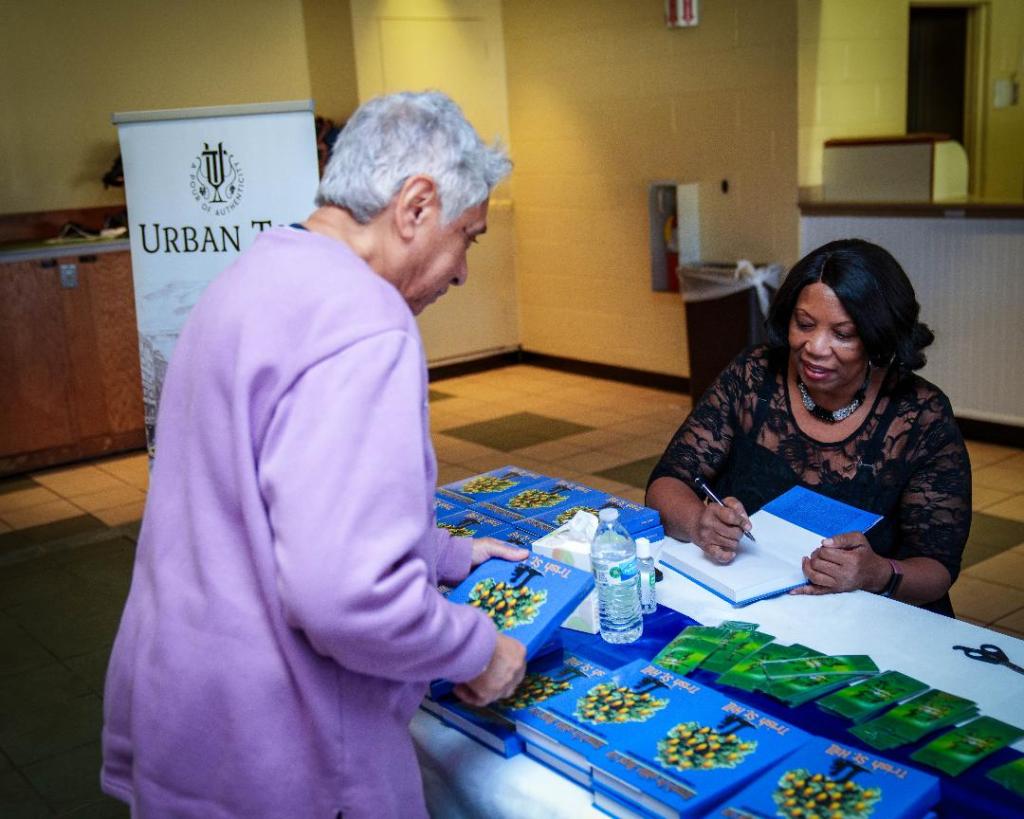
  • In an earlier article, I mentioned having an emotional day while writing my fourth and current novel. Experiencing an emotional moment during the writing phase is not unusual or troubling. As the saying goes, 10 percent of life is what happens to you; 90 percent is how you handle what happens. During the writing of my third novel, Tears of Exile, I remember having a similar sad episode, particularly while writing the scenes of the Garifuna internment on Balliceaux. I conducted some research and listened to oral histories from the descendants of our exiled brothers and sisters, which provided the material needed to construct the world and period my characters inhabited.
    Once I mapped out the historical information—the landscape of the island, the customs of the Garifuna people, events that occurred during that time, and the languages spoken—I began to formulate my characters. Lemerie Lavia and Manuel Baptiste came to life against this historical backdrop. In my mind, Lemerie was the taller of the two, while Manuel was stockier. You may envision them differently, but this is my vision of them. Somewhere in Yurumein (modern-day St. Vincent and the Grenadines), there were friends like these two. It was with these facts that the town of Masarica (currently the village of Greiggs) came to life. The concept of the town square was fashioned after the park in the middle of my hometown of Barrouallie, the community space where we watched cricket and soccer, and where churches held crusades during my childhood. It served as the main hub for community engagement, a melting pot of cultures and interactions that shaped my childhood experiences. Barrouallie, one of the oldest towns in St. Vincent, still has French and Garifuna influences sprinkled around, giving it a unique character.
    I wanted to capture a piece of it in my novel. There are relics from when the Garifuna people ruled St. Vincent, remnants of their rich heritage woven into the fabric of everyday life in Barrouallie. My parental home stands on the grounds of one of the oldest clinics. Before that building was torn down, I visited my uncle, who had converted it into a residence, allowing me to witness firsthand the history embedded in the property. A huge porch extended across the front of the house where patients would line up for treatment, accompanied, no doubt, by the sounds of their conversations and the solemnity of their needs. The stones from that porch were used to construct my parents’ house, and the incinerator for burning medical waste still remains in the backyard, its presence a stark reminder of the lives once intertwined there. One can only imagine how many wounded soldiers were treated there during the Carib wars, each story adding depth and texture to the historical narrative I sought to explore. The old police barracks in Barrouallie, one of the oldest in the region, is sadly neglected, serving as a monument to stories untold and memories faded.
    Using these historical nuggets, my imagination set to work, creating characters and a lifestyle reminiscent of the period. Lemerie and Manuel sprang to life on the pages, along with many others, their aspirations and growth echoing the struggles of their time. Their agonizing journey and those of the Garifuna people portray a heroic narrative of a community determined to survive, illustrating a relentless spirit that defiantly rose against the tides of adversity. It is truly a tale of suffering, resilience, and survival. Thus, the characters needed to progress and grow; their lives were not solely defined by the tragedies that befell their people. They had families, friends, and activities that structured their daily lives, grounding them in a reality rich with the complexities of human emotions. Tears of Exile illustrates not only the innocence and joy of these characters but also captures the inhumane nature of humanity and imparts a lesson in survival, weaving together their personal victories and losses into a tapestry that resonates with readers.
    As in real life, some events in their lives were good while others were heartbreakingly sad, creating a balanced portrayal that reflects the duality of existence. In my exploration of the Garifuna internment on the island of Balliceaux, I researched the Lindley family, who owned the island at that time—what purpose the island served and who, besides the Garifuna people, were present there. Through research, I pieced together the poignant histories of those who suffered. Why did so many perish before the remaining 2,500 were exiled? I don’t want to give away the story, but there were heart-wrenching moments that washed over me in waves of sadness, each one a reminder of the fragility of life and the indelible marks left by history.
    This happened again a few weeks ago when rereading Tears Of Exile to convert it into electronic format. The scenes on Balliceaux transported me back to pages 265 to 276 of my second book, ‘Beyond The Mango’s Shade‘. A fictional scene became reality, blurring the lines between my creation and a development that took place fifteen years after writing the book. I am by no means psychic, but when you write a story in a convincingly authentic manner, strange things can happen. Life can indeed imitate fiction, albeit coincidentally, prompting reflections on the interconnectedness of our experiences. In Tears of Exile, I recall the sorrowful journey of the characters and lamented that many individuals like them undoubtedly experienced similar pain, their stories echoing through time and space. In that sense, the pain was real, a palpable connection to the past that demands recognition and respect. I pondered how many of those who suffered there were related to those left behind, creating a complex web of emotions and memories that extend beyond the confines of time. How many families were torn apart, and will their descendants ever be reunited? What was life like after their exile, and how did it affect the vibrant Vincentian culture, forever altered by those tumultuous events?
    Understanding the past is essential, as it enlightens us about why we are the way we are, guiding us as we navigate the present and future. However, the beautiful aspect of historical fiction is that you can create the ending you desire, crafting narratives that inspire hope and resilience amidst despair. You are not confined by the constraints of history or limited by historical gaps. You can craft the conclusion you wish for, and who knows if life will imitate fiction? With each stroke of the pen, we have the power to shape destinies and imagine brighter tomorrows.

  • Embracing the Emotional Depth of Historical Fiction

    As a historic fiction writer, it is challenging to build a story that invokes curiosity from your readers. Authenticity is key to writing a convincing tale, as readers are often drawn to narratives that resonate with real historical contexts and human experiences. To create a narrative with an authentic feel, it is essential to delve into the emotions of your story while equally drawing your readers into those feelings. By painting vivid scenes that transport your audience to a different era, you can immerse them in the sights, sounds, and sentiments that define your world. Telling a story alone is not enough to engage your readers; it is crucial to keep them wondering about the what, when, and where of your characters. What is happening? How are they feeling? To keep readers intrigued, tantalize them with the journey of the characters, injecting just enough mystery to leave them questioning what’s next. This tension encourages a deeper connection, compelling your audience to turn the pages as they yearn to uncover the truth behind the characters’ actions, motivations, and the historical events that shape their lives. Ultimately, it is the blend of rich detail, emotional depth, and suspenseful storytelling that creates a memorable experience for the reader.

    Readers might grow to like your characters, hate them, or become curious about them, but the goal is to avoid indifference. You don’t want your audience feeling lost or confused as they navigate through the storyline, as this can lead to disengagement from the plot altogether. It’s acceptable for them to be curious and wonder about the characters’ motivations and backgrounds, but not to feel adrift in a sea of ambiguity. As a writer, you must dive into the heart and soul of each character in a way that maintains your readers’ attention and fosters a connection to their journeys. This connection is key; you want them asking questions and remaining engaged enough to seek the answers. By weaving in rich backstories and nuanced personality traits, you can create multifaceted characters who evoke strong emotions, ensuring that readers not only invest in their fates but also reflect on their own experiences and feelings as they relate to the unfolding narrative.

    • What are they doing?
    • Why are they doing it?
    • What are they feeling?
    • What will happen next?

    As the author, you must have a clear vision of where the story is heading; however, your readers should be left to wonder about the twists and turns that lie ahead, igniting their imagination and creating an engaging experience that captivates their minds and emotions. This delicate balance between the author’s intent and the reader’s interpretation is vital for crafting a narrative that resonates deeply, encouraging them to explore possibilities and anticipate outcomes that may not align with their expectations, all while allowing the story to unfold in unexpected ways. By maintaining a subtle air of mystery, you allow your audience to become active participants in the unfolding tale, enhancing their connection to the characters and the world you’ve meticulously built, fostering an environment where they feel compelled to think critically and dream vividly about what could happen next. As they venture further into the narrative, their investment in the plot deepens, making every revelation and twist feel personal, as if the story is uniquely theirs to discover.

    Yesterday, I sat in my sunroom working on my fourth novel, surrounded by the gentle warmth of sunlight filtering through the glass. As I peeled back the layers of my characters and wove my intricate story, I found myself deeply embroiled in a particular storyline that tugged at my heartstrings. After typing 25 pages, a wave of sadness washed over me; I realized that I had become so entrenched in my characters’ experiences that I felt overwhelmed by their struggles and triumphs. Each line I wrote seemed to pull me deeper into their world, making it increasingly difficult to separate their pain from my own reality. I reminded myself that my characters were fictional, mere figments of my imagination, and took a break, inhaling deeply, trying to ground myself. I stepped away from the keyboard and grabbed a bottle of water from my refrigerator, the cool sensation refreshing against my lips. Yet, despite the brief reprieve, I couldn’t shake the feeling that resonated within me, an echo of their emotions lingering in the air, a testament to the power of storytelling that can transcend the boundaries of ink and paper.

    This wasn’t the first time I had felt overwhelmed while writing a novel—it likely won’t be the last. I began to question my emotional response: Am I normal? Why do I get so emotional about fictional characters and storylines? With my laptop pushed aside, I reclined in my armchair and watched ten minutes of news, momentarily losing myself in the world outside my own creation. Then, it hit me. I am the only person who knows the future of my characters and truly understands them inside and out. Each detail, from their flawed motivations to their triumphs, has been meticulously crafted in my mind. I have spent hundreds of pages developing them and watched them grow within the confines of my novel, like watching children mature and face life’s challenges. No one else carries that burden, that intimate knowledge of their struggles and dreams. It’s okay to feel their pain, I thought, because in doing so, I honor their journeys. If my characters lacked depth, they wouldn’t invoke such emotions in me. Instead, they speak to the universal human experience, reflecting our own fears and aspirations. It’s important to share in their stories, celebrate their joys, and lament their sorrows—this is what breathes life into good historical fiction, allowing readers to connect with the past through the vivid artistry of narrative. In this emotional landscape, both writer and reader find a sense of belonging, a reminder that even in fiction, we are never truly alone.

    Unlike regular fiction, historical fiction involves inserting fictional characters into a backdrop of the past, intertwined with historical events that shape their lives and choices. This genre requires thorough research and a vivid imagination to create characters grounded in the social norms and lifestyles of the time period, ensuring that the nuances of each era are accurately represented. To craft believable characters true to their era, one must deeply understand and care for them, immersing oneself in their motivations, struggles, and triumphs to evoke authenticity. Additionally, weaving their stories into the broader historical narrative demands an awareness of the societal context in which they exist, thus allowing the plot to resonate with both historical accuracy and emotional depth. I gave myself permission to feel overwhelmed, recognizing the weight of this creative responsibility, but I also allowed myself the grace to take a break, breathe, and regain perspective, understanding that even the most dedicated writers must periodically step back to nurture their creativity and maintain clarity in their storytelling journey.

  • Some writers wonder what to call a book even before they start writing. What if I was to tell you that is the last thing you should worry about? Before I start writing a book, I ask myself a few questions:

    (1) What type of book would this be – Fiction, non-fiction, Novel, Autobiography, self-help…?

    (2) What is the book about?

    (3) How would it end?

    The name can come about anytime during the writing process or at the end. Sometimes it is a name that just pops into your head, or a part of the book that reminds you of something which suggests the name. This can lead to some fascinating titles that reflect an underlying theme or emotion within the narrative. It could also come based on an irony of the story. For example, my first book was initially called ‘Beneath the Golden Apple Tree’. As mentioned in an earlier post, my daughter later encouraged me to change the name to ‘Beneath The Golden Mango Tree’, after explaining that the West Indies is more known for mangoes than apples. But the reason that name was used was because of how the book started and the significance of the tree in the main character’s life, serving as a metaphor for growth and resilience. Naming a book is not just about creativity; it can also be an evolving process that mirrors the journey of writing itself—reflecting how characters develop, how plots twist, and how themes emerge. Ultimately, a title should capture the essence of the story and resonate with potential readers, inviting them on a journey they will want to explore.

    In my second novel, ‘Beyond The Mango’s Shade’, I arrived at that name at the end of the book, after pondering what the book signified. I realized that this narrative, in many ways, was about life’s growth and adaptations, illustrating the myriad challenges that test our resilience. Gone was the young, idealistic Felicia of book one; she had undergone a significant transformation. Life had dealt her some wild punches, each one a lesson wrapped in hardship, forcing her to confront life’s imperfections that could potentially throw her off balance. Through every twist and turn of her journey, Felicia learned to navigate the complexities of adulthood, discovering strength she never knew she possessed. The book’s blurb leaves its reader wondering if someone so naïve could evolve intact and emerge not just whole, but more profoundly aware of the world around her, embodying the notion that growth often comes through struggle.

    In my third novel ‘Tears Of Exile’, the name popped at me while I was writing the section on the Garifuna internment at Balliceaux, a place fraught with a painful historical significance and deep emotional scars. I reflected on how tearful the experience must have been for our Garifuna people on that barren island, stripped of their freedom and forced into a profound sense of loss and longing. The isolation and despair they faced in such a desolate location intertwined with their rich cultural tapestry, adding layers of grief to their story. Later, the word exile stood out, resonating deeply with the overarching themes of my narrative, as it encapsulated the struggles of those who were displaced and marginalized. Most of the story was about the exile and their life leading up to being exiled, detailing the painful memories that lingered and the indomitable spirit of resilience that emerged from their suffering. I settled on Tears of Exile, a title that fit perfectly based on the story, as it evoked both the sorrow of separation and the enduring hope for a return to their homeland.

    So, the key takeaway is to keep writing and worry about the name last. Writers often spend an excessive amount of energy and time worrying about what they will name their book when they should focus more on the other vital elements, like what the book is about, the characters’ arcs, the settings, and how it will end. If you do not know those central elements of the book, it could create many challenges in your writing process, leading to frustration and writer’s block. Remember that drafting is a journey of discovery; every word you put down can help illuminate the path forward. So, write on and pay more attention to the substance of your book, allowing yourself the freedom to explore various themes, tones, and styles. Often, the name would be derived from that substance, emerging organically as a reflection of the deeper narrative you have crafted, highlighting the essence of your story in a way that resonates with your readers. This approach will not only ease the naming process but also enrich your writing experience overall.

  • I have finally examined my writing style – how and what might have influenced the way I write. My examination yielded the observation that I write from four perspectives: an authentic Caribbean woman, a cultural enthusiast, a student of history, and a lover of nostalgia.


    As I continue to pen my most recent novel, waves of nostalgia surround me, enveloping me in memories that are both sweet and bittersweet. While some of my writing is derived from thorough research into historical contexts and cultural settings, much is derived from my deeply personal knowledge and experiences that shape my worldview. Having been a child in the sixties, a period marked by vibrant music and cultural richness, I drew on my understanding of that era to develop the characters of Hawken and Melvina. The innocence of their first encounter and subsequent friendship stirs the heartstrings, evoking a simpler time when connections were forged through pure, unfiltered emotions. Their unselfish, unconditional friendship warms the heart, displaying a bond so pure that you want to see it flourish against all odds. But there is an underlying fear of their growth and the harsh realities of life awaiting them, lurking beneath their joyous adventures. Where will life take them, and will they be equipped to weather its storms? It’s a love story, a coming-of-age tale, and a survival story, all blanketed in the rich culture and history of a people and a period that continue to echo the spirit of their ancestors and way of life. It’s a story that emphasizes resilience and the enduring strength of community.


    One of my most endearing storylines in this novel revolves around the parents explaining puberty and baby-making to the two pre-teens in a manner that is both humorous and educational. Amid a bit of comic relief, it reminds us of a time when children safely and innocently roamed the bounds of friendship, free from adult complexities and societal pressures. They are clearly the heroine and hero of the book, navigating the tangled web of adolescence as their innocence is challenged. This narrative takes several unexpected twists and turns to reach its conclusion, engulfing the reader in a whirlwind of comedy, sadness, survival, and nostalgia, all the while gently coaxing them to reflect upon their own journeys through the trials of youth.

    Upon reflecting on past characters in my other novels, I realized unintentional similarities among some. Miss Maddie in books one and two bears a striking resemblance to Tantan Velda in book three, despite living centuries apart in vastly different contexts. Although both women occupy unique positions in their respective stories, they each contribute an endearing component that creates teachable moments, showcasing the strength of women across different time periods. Further examination of my characters and storylines across my novels led me to dissect my overall writing style. I discovered that my approach to delivering authentic Caribbean cultural stories has fostered the emergence of my folksy writing style. The dialect used by some characters adds richness and authenticity, breathing life into the narrative and offering lessons rooted in a culture steeped in history and vibrant reality, still reflected in our society today. While General Caribbean culture shares many similarities, I have an intimate connection with St. Vincent and the Grenadines, which is why my writing is more deeply centered on its way of life, its people, and their stories that often go unheard.


    Walking along the bustling streets of Kingstown, Barrouallie and much of St. Vincent and the Grenadines, I can see the coming to life of many of my characters, each inspired by the vibrant tapestry of daily life surrounding me. The spirit of the people remains undaunted in their quest for survival, illustrating a rich cultural heritage that thrives even in challenging times. Whether selling homemade snacks, fruits, vegetables, or pushing manpowered carts around town, Vincentians are always on the move to navigate this brutal world, adapting their strategies with remarkable ingenuity. From the friendly banter with customers purchasing local craft souvenirs to the seashell blown to announce the fisherman’s catch of the day, they are fiercely determined to hold onto the entrepreneurial spirit that consistently rescues them from the harsh realities of enslavement, colonialism, and discrimination. Without this entrepreneurial spirit, our nation would face staggering hardship and despair. Times are hard, yet the stubborn strength and determination of the people truly propel this nation’s survival, creating a narrative of hope amid adversity that inspires both myself and my readers.


    As I reflect on the stories I aim to write and the world as it is today, I realize that while many things have changed, the methods of survival in our island nation remain largely unchanged, passed down through generations as a testament to resilience. Perhaps this is a blessing in disguise, as it grounds us in our identity and heritage. Elements of Miss Maddie and Tantan Velda still reside here, as does the strength and dignity of Chief Galian and the humor of the comedic character Viken. They exist in our people’s survival tactics, delivering us from the harshness of this cruel world time and time again, reminding us of the importance of community, culture, and shared history.


    This serves as a poignant reminder to always tell culturally rich stories that offer no apologies or adjustments, celebrating our uniqueness in a global narrative. Reflecting on why I write the way I do, I realize that my writing style evolves from my love of cultural nostalgia, as it fuels my passion for storytelling. I don’t want to return to the old days, and I couldn’t even if I wished to. However, I can take my readers into those times, guiding them through the experiences of others as long as I remain authentic to our Caribbean culture. In the process, I hope to edutain people beyond the bounds of our culture, sparking interest and fostering understanding through narratives that resonate with the human experience.